
Capitol Hill Power Shifts and Middle East Policy
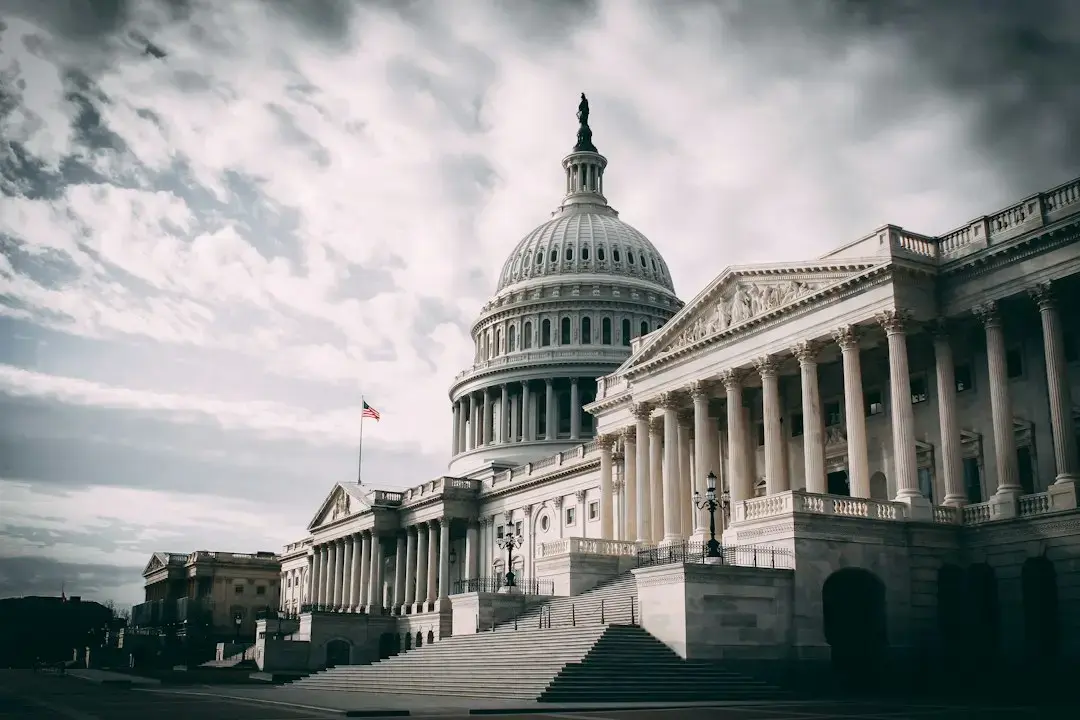
Voters across the United States will cast ballots that could potentially shatter the long-standing geopolitical deadlock regarding Iran, according to analysts examining the upcoming congressional elections. The outcome of these pivotal legislative races in Washington might determine whether the diplomatic freeze persists or gives way to a new political approach in the Middle East.
Latest news
 TIME Names First-Ever Executives of the Year in Technology and Data
 Marco Rubio Spotted With Banned Media Outlets Days After Trump’s Ban
 Washington signals readiness to meet Tehran at the United Nations
 British banks urge caution on West Bank settlement projects before funding ban kicks in
The current diplomatic paralysis between Washington and Tehran has persisted for years without a clear resolution. Military engagement has failed to break the cycle of hostility, prompting experts to look toward domestic American politics for a turning point. Congressional shifts could alter foreign policy priorities and open new avenues for international negotiation.
Will the Next Congress Abandon Failed Strategies?
Legislative control in Washington directly impacts executive branch foreign policy initiatives through funding and oversight powers. Lawmakers hold the authority to shape sanctions, approve diplomatic appointments, and influence broader regional strategies.
Future congressional majorities may demand alternative strategies to address ongoing tensions with Iran. Electoral outcomes often force administrations to reassess entrenched positions and explore legislative compromises on foreign affairs.
Voter priorities frequently center on domestic economic concerns, yet foreign policy remains a crucial underlying theme in national campaigns. A transformed legislative branch could pressure the White House to pursue diplomatic breakthroughs rather than maintaining perpetual deadlock.
Frequently Asked Questions
The ultimate resolution to the protracted standoff may depend heavily on political shifts within the American capital. As ballots are counted, the international community awaits signs of a possible transformation in Washington's approach to Tehran.
Q: Where might the solution to the Iran deadlock be found? A: Analysts suggest the stalemate could end in Washington as a result of the congressional election outcome rather than on the battlefield.