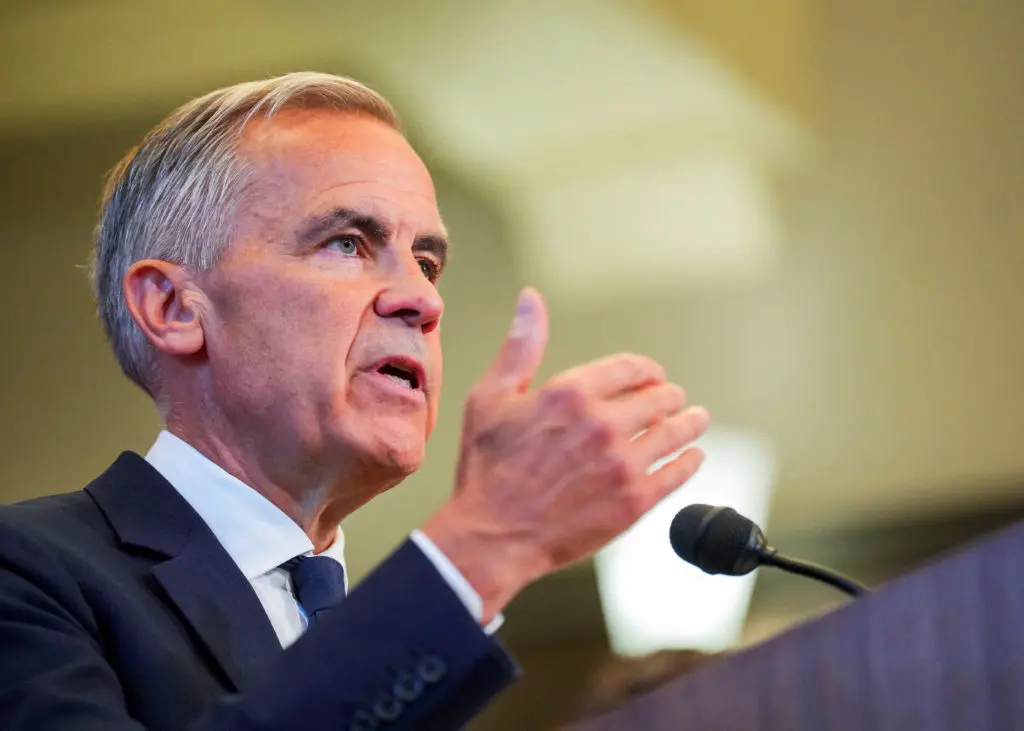
Carney’s Stance Against Trump Resonates With Electorate
Mark Carney’s Liberal Party secured victories in all three recent special elections across Canada. This result strengthens the government’s mandate ahead of the next general election. Voters rewarded the party-listed their support for Carney’s leadership during this critical period. The outcome signals strong public confidence in the current administration’s direction.
Latest news
 Swedish Voters Choose New Parliament as Left-Wing Coalition Projects to Win Majority
 Trump Announces End of US Tariff on Irish Whisky
 Frances Stonor Saunders, Author of CIA Cultural Espionage Exposé, Dies at 66
 Israel and Lebanon to Hold Security Talks in Rome This October
The Liberal Party won every contested seat in these by-elections. These races were triggered by various circumstances, including retirements and resignations. Carney interpreted the results as a clear endorsement of his policy agenda. He emphasized that Canadians preferred stability over opposition alternatives. The sweep demonstrates the party’s ability to retain local support despite national political tensions.
Prime Minister Carney has recently adopted a firm position against U. S. President Donald Trump. This diplomatic posture aligns with broader Canadian concerns about trade and sovereignty. Voters appear to have responded positively to this assertive foreign policy approach. The by-election results suggest that domestic politics are influenced by international dynamics. Carney’s team highlighted how his leadership protected Canadian interests during negotiations.
How Did Voters Respond To Economic Policies?
Critics argued that by-elections do not always reflect national sentiment accurately. However, the unanimous victory for the Liberals challenges that skepticism. The party maintained its majority in the House of Commons through these contests. This consolidation reduces the risk of a minority government scenario. Carney can now proceed with legislative priorities with greater confidence. The opposition parties struggled to make significant gains in these specific districts.
Economic issues remained central to the campaign messaging in these ridings. Inflation and housing affordability were key topics discussed by candidates. Liberal candidates focused on maintaining fiscal responsibility while supporting growth. They contrasted their record with the opposition’s proposed tax changes. Voters seemed to favor the incumbent party’s economic management strategy. The results indicate that practical governance outweighed ideological debates in these local contests.
Carney stated that the outcome validates the government’s approach to economic stewardship. He noted that Canadians value predictable and steady leadership during global uncertainty. The party plans to use this momentum to push through pending bills. Opposition leaders acknowledged the defeat but vowed to regroup for the next general election. They plan to refine their strategies to better connect with swing voters.
Frequently Asked Questions
Why did the Liberal Party win all three by-elections? The Liberal Party won due to strong local candidate performance and national brand strength. Voters supported Carney’s leadership and the party’s economic policies. The results reflect satisfaction with the current government’s stability.
What impact will this have on the next general election? This sweep strengthens the Liberal Party’s position for the upcoming general election. It provides a psychological boost and consolidates parliamentary numbers. The government can now advance its legislative agenda with reduced opposition pressure.
Did foreign policy influence the voting outcome? Yes, Carney’s stance against Trump likely influenced voter decisions. Many Canadians appreciated the assertive defense of national interests. This diplomatic posture helped differentiate the Liberals from other parties.