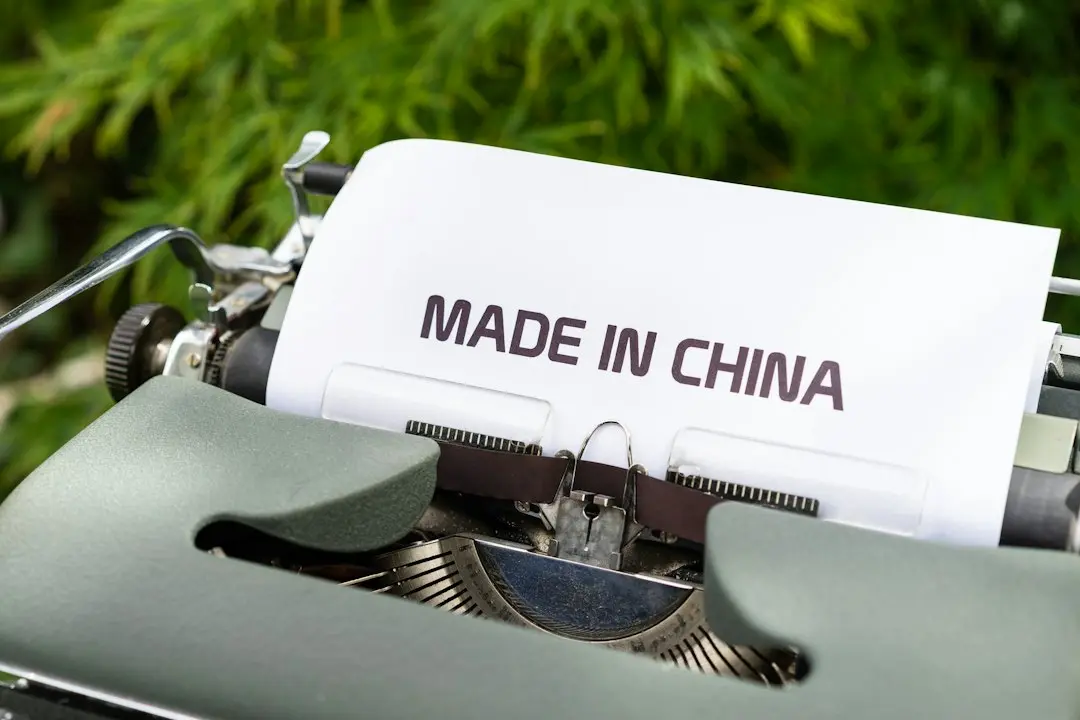
Building an AI‑Ready Workforce: Training and Certification
China will roll out a nationwide program aimed at retraining and reskilling employees for roles created by artificial intelligence. The effort, announced by government officials in Beijing, targets sectors such as manufacturing, services, and logistics, and is scheduled to begin next month with pilot phases in major cities.
Latest news
 Iranian Leadership Condemns Rubio's Historic Athens Speech
 The FBI Pressures Iranian-American Scholar
 Trump Slams Nobel Peace Prize Snub With Eight-War Claim
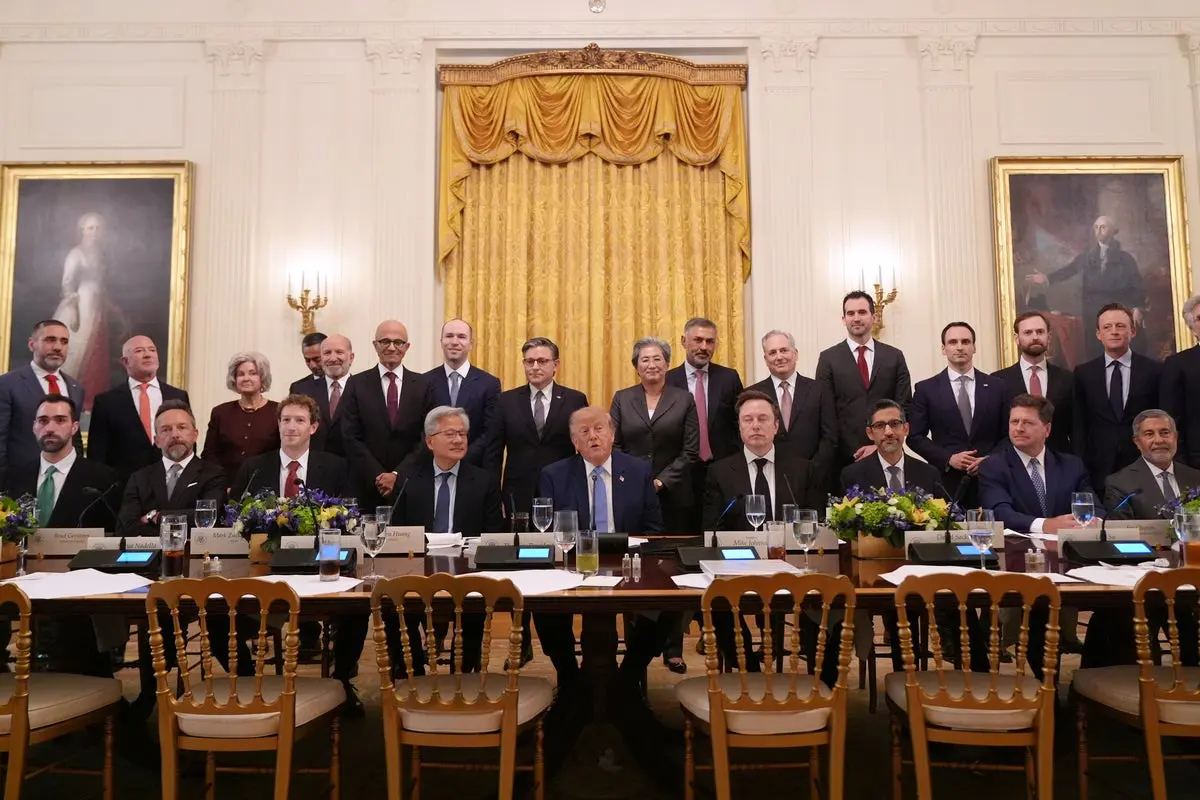 Silicon Valley Tech Leaders Welcome Light-Touch Approach
The initiative is designed to address the rapid automation of routine tasks and the growing demand for tech‑savvy talent. It will provide free training courses, certification exams, and job placement support. The plan also includes incentives for companies that hire participants and for those that invest in AI infrastructure. Analysts say the program could help reduce unemployment among mid‑career workers and keep the workforce competitive in a global market.
Will the Initiative Reduce Skills Gaps?
The training component will focus on machine learning fundamentals, data analytics, and programming languages such as Python and R. Participants will have access to online modules and hands‑on labs, with a cap of 200 hours per course. Upon completion, they will receive certificates recognized by industry partners. The government will fund 70 percent of the tuition for low‑income applicants, while employers will cover the remainder if they agree to hire the graduates within two years. Early pilots in Shanghai and Shenzhen have already enrolled over 5,000 workers, many of whom are former factory staff and clerks.
Industry leaders say the certification will boost employability. „We need people who can work alongside robots, not replace them,” said Li Wei, chief technology officer of a leading logistics firm. „This program gives us a pipeline of talent that understands both the tech and the operational side of our business.”
What About the Future of Work in China?
How will the program measure success? The Ministry of Human Resources will track placement rates, wage growth, and the number of AI projects launched by participating firms. A 2025 report projected that AI could displace up to 12 percent of jobs in China’s manufacturing sector. The new scheme aims to offset that by creating at least 300,000 new AI‑related positions over the next five years. Critics worry about the speed of implementation and the quality of training, but early feedback from participants is positive.
The program also includes a mentorship network, pairing trainees with experienced professionals. This peer‑learning model is expected to accelerate skill acquisition and foster innovation. The government plans to expand the initiative to rural areas, where job opportunities are scarce, by partnering with local colleges and vocational schools.
Frequently Asked Questions
The initiative signals a broader shift toward a knowledge‑based economy. By equipping workers with AI skills, China hopes to maintain its competitive edge in global supply chains. The policy aligns with the country’s „Made in China 2025” plan, which prioritizes high‑tech manufacturing. If successful, the program could serve as a model for other countries facing similar automation challenges. However, the long‑term impact will depend on continuous investment, curriculum relevance, and the ability to adapt to rapid technological change.
Q: Who is eligible for the training program? A: Workers aged 18 to 55 with at least one year of employment experience in manufacturing, services, or logistics are eligible. Low‑income applicants receive the highest subsidy.