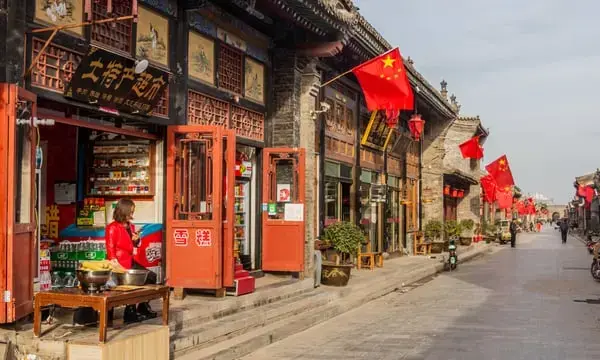
Rethinking Success Metrics
China is changing how it assesses local party leaders amid a slowing economy, moving beyond traditional metrics. The country's economic growth has been decelerating, prompting a shift in evaluation criteria for local leaders. This change reflects the government's efforts to adapt to new economic realities.
Latest news
 Swedish Voters Choose New Parliament as Left-Wing Coalition Projects to Win Majority
 Trump Announces End of US Tariff on Irish Whisky
 Frances Stonor Saunders, Author of CIA Cultural Espionage Exposé, Dies at 66
 Israel and Lebanon to Hold Security Talks in Rome This October
For decades, rapid GDP growth and infrastructure expansion were key indicators of a leader's performance. However, these metrics are no longer sufficient to maintain political legitimacy, as the economy faces new challenges. Local leaders are now being judged on their ability to address issues like poverty, inequality, and environmental degradation.
Can China's New Approach Revitalize Growth?
The new evaluation criteria focus on sustainable development, social welfare, and innovation. This shift is expected to encourage local leaders to adopt more balanced and inclusive growth strategies. By prioritizing people's livelihoods and well-being, the government aims to restore public trust and confidence.
Frequently Asked Questions
The consequences of this change will be closely watched, as it may signal a significant shift in China's economic development model. As the economy continues to evolve, the government's ability to adapt its evaluation criteria will be crucial.
What prompted China to re-evaluate its assessment criteria for local party leaders? China's slowing economy and changing development priorities drove the need for new evaluation metrics. How will the new criteria affect local leaders? Local leaders will be incentivized to focus on sustainable development and social welfare. What are the potential outcomes of this change? The new approach may lead to more balanced growth, improved public services, and enhanced political legitimacy.