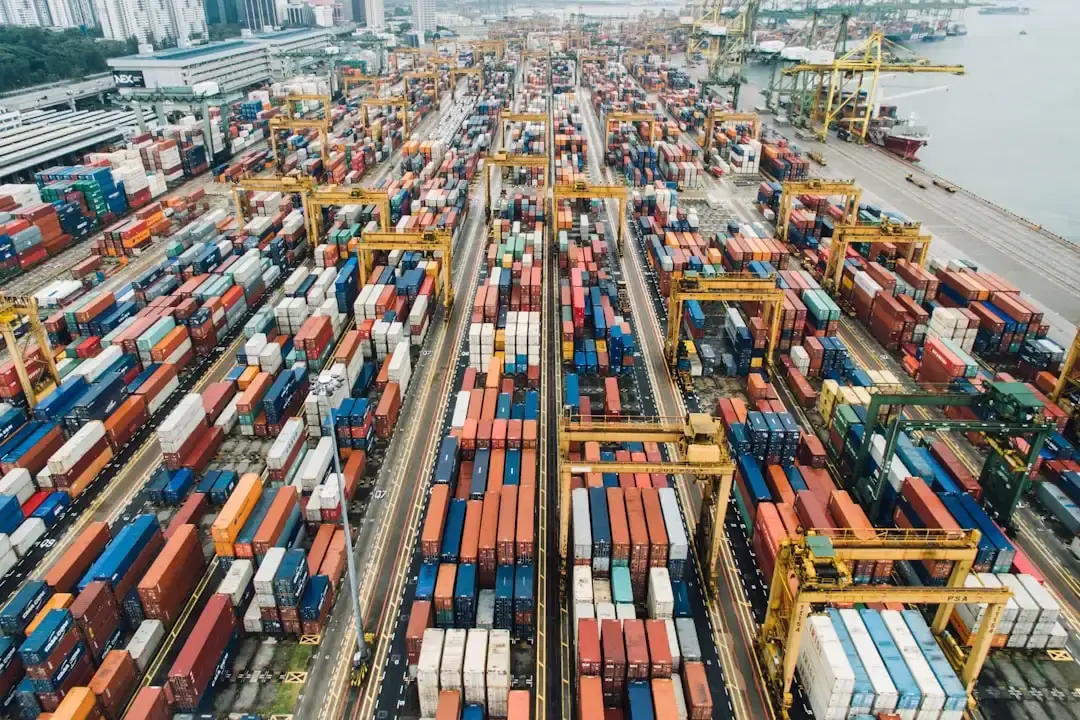
Why are Jobs Lagging Despite Export Boom?
China's economy is facing significant challenges. Despite strong export performance, domestic job growth is lagging. This situation is putting pressure on consumer spending within the country. Experts are now warning of potential difficulties for the government in Beijing.
Latest news
 Swedish Voters Choose New Parliament as Left-Wing Coalition Projects to Win Majority
 Trump Announces End of US Tariff on Irish Whisky
 Frances Stonor Saunders, Author of CIA Cultural Espionage Exposé, Dies at 66
 Israel and Lebanon to Hold Security Talks in Rome This October
The nation's export sector is currently performing exceptionally well. However, this success is not translating into sufficient employment opportunities for the population. This imbalance is creating a squeeze on household budgets and overall economic activity.
The disconnect between robust exports and weak job creation is a key concern. While factories are busy producing goods for overseas markets, these operations may not be generating enough new positions for China's large workforce. Automation and efficiency gains in export-oriented industries could be contributing factors. This scenario means that the benefits of international trade are not fully trickling down to the average Chinese citizen through increased employment and wages.
What Are the Consequences for Consumer Spending?
The lack of job growth directly impacts people's ability to spend. When fewer people are employed, or wages are stagnant, consumer confidence and purchasing power decline. This creates a vicious cycle where reduced domestic demand further hinders economic recovery. Beijing faces the challenge of stimulating internal consumption to balance its export-driven growth model. Without a strong domestic market, the economy remains vulnerable to external shocks and global demand fluctuations.
The current economic climate suggests a period of adjustment for China. Beijing will need to address the employment gap and boost internal demand. Failure to do so could lead to prolonged economic stagnation and social instability.
Frequently Asked Questions
What is the main economic problem China is facing? The primary issue is a disconnect between strong export growth and a lack of job creation domestically. This is leading to reduced consumer spending within the country.
How does lagging job growth affect the Chinese economy? When job growth is slow, people have less income and confidence to spend. This reduces domestic demand, which is crucial for a balanced and stable economy.
What challenges does Beijing face due to this situation? Beijing must find ways to stimulate internal consumption and create more jobs to support its large population. Relying too heavily on exports can make the economy vulnerable.