Reversing Decades of Wildfire Management
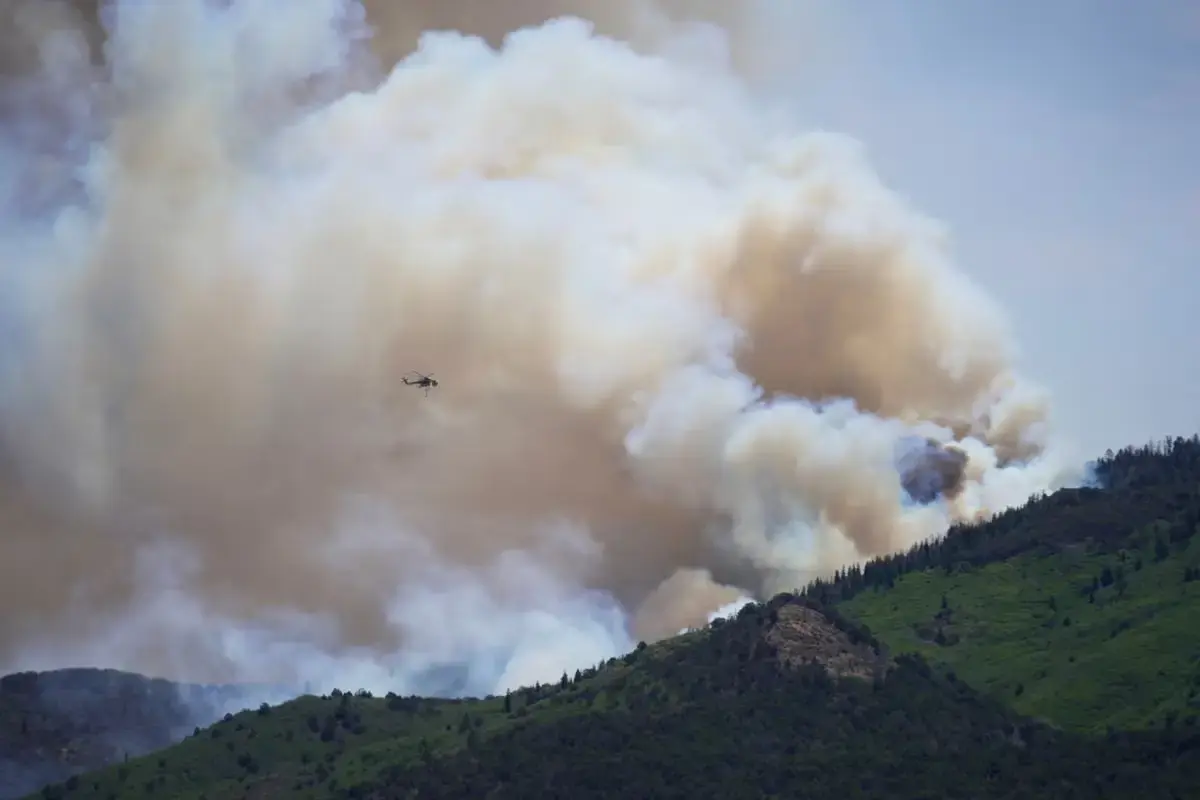
Five firefighters died in Colorado as a wildfire raged, raising concerns over the Trump administration's approach to managing wildfires. The fire broke out in western Colorado on June 24, 2026. It was one of several large wildfires burning across the US.
Latest news
 Swedish Voters Choose New Parliament as Left-Wing Coalition Projects to Win Majority
 Trump Announces End of US Tariff on Irish Whisky
 Frances Stonor Saunders, Author of CIA Cultural Espionage Exposé, Dies at 66
 Israel and Lebanon to Hold Security Talks in Rome This October
The administration's focus on full suppressionof new fires marks a sharp reversal from a decades-long trend toward embracing flames as a tool. Previously, land managers allowed some fires to burn in wilderness areas, recognizing their role in maintaining ecosystems. This approach was based on the understanding that wildfires are a natural part of many environments.
Can ' Full Suppression' Really Work?
The Trump administration's policy shift has been criticized by fire experts, who argue that it ignores the complexities of modern wildfires. „We're not just fighting fires, we're fighting the conditions that create them,”said a fire manager. The new approach has also been linked to increased risks for firefighters.
The change in policy has been driven by concerns over public safety and property damage. However, some experts argue that this approach may not be effective in reducing overall risk. In 2026, the US experienced an above-average fire season, with many large fires burning across the western states.
Critics of the administration's policy argue that it is unrealistic to expect firefighters to suppress all new fires, particularly in areas with high temperatures and dry conditions. The policy has also been criticized for failing to address the root causes of wildfires, such as climate change and land management practices.
Frequently Asked Questions
The consequences of the administration's policy remain to be seen. However, the deaths of the Colorado firefighters have highlighted the risks faced by those fighting wildfires. As the US continues to experience an increasingly active fire season, the effectiveness of the Trump administration's approach will be closely watched.
What is the Trump administration's wildfire policy? The policy focuses on full suppressionof new fires, a departure from previous approaches that allowed some fires to burn in wilderness areas. How have fire experts responded to the policy? Many have criticized the approach, arguing that it ignores the complexities of modern wildfires and fails to address the root causes of the problem. What are the risks associated with the new policy? Critics argue that it may increase risks for firefighters and fail to reduce overall risk, as it does not address the underlying conditions that create wildfires.