How Are Voters Responding to Claims of Foreign Influence?
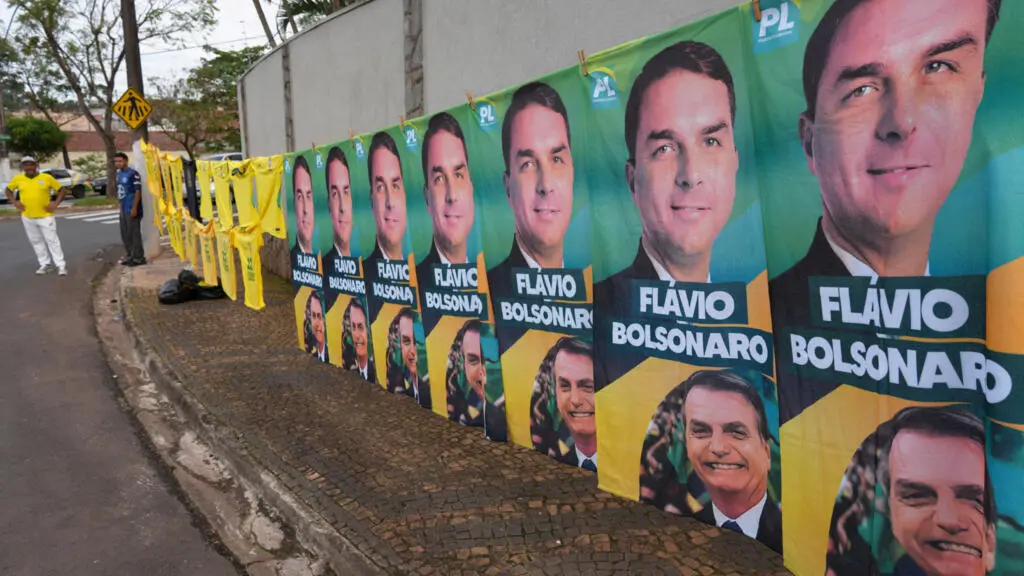
Conservative Senator Flavio Bolsonaro made a surprise showing in the first round of Brazil's presidential election on Sunday, defying expectations amid growing voter anxiety over foreign influence. His strong performance in the initial vote has intensified scrutiny on the role of external actors, particularly the United States, in shaping the nation's political landscape. The outcome has sparked debate about electoral integrity and the resilience of democratic institutions in the face of perceived outside pressure.
Latest news
 Israel Faces Possible Civil Breakdown, CIA Warns
 AI Made the List—but Humans Still Did the Killing
 Maine's Political Bellwether Faces Test in 2026 Midterms
 Archdiocese Sues U.S. Government Over Denial of Catholic Sacraments to ICE Detainees
The senator's unexpected strength in the first round reflects broader voter unease about economic instability and social polarization, issues that have been amplified by allegations of foreign meddling. Critics argue that recent statements and actions by certain U. S. officials have been interpreted as attempts to sway public opinion, though no concrete evidence of direct interference has been presented. Supporters of Bolsonaro, however, frame the backlash as a reaction to his conservative platform and challenge to the political establishment, insisting that domestic concerns—not foreign influence—drove voter behavior.
What Does This Mean for Brazil’s Democratic Future?
Many Brazilians express skepticism about external narratives, with polls indicating a growing desire to assert national sovereignty in electoral processes. While some citizens acknowledge the importance of international relations, they reject any suggestion that outside powers should dictate domestic outcomes. This sentiment has been particularly strong among younger voters and those in regions historically marginalized by national policy debates, who see the election as a chance to redefine Brazil’s direction on their own terms.
The election’s first-round results suggest a deepening divide in Brazilian society, where perceptions of external interference are increasingly intertwined with partisan identity. Whether these concerns will translate into lasting institutional reforms or further erode trust in democratic processes remains uncertain. Analysts warn that prolonged focus on foreign influence risks distracting from urgent domestic challenges, including inflation, public safety, and institutional accountability, all of which will shape the runoff and beyond.
Did the United States officially interfere in Brazil’s election? No official findings confirm direct U. S. interference in Brazil’s electoral process. Claims of meddling remain unverified and are largely based on interpretations of public statements or diplomatic engagements rather than concrete actions.
Frequently Asked Questions
Why is Flavio Bolsonaro’s performance considered surprising? His strong showing exceeded pre-election projections, particularly given his polarizing reputation and the fragmented nature of the conservative vote. Analysts had anticipated a more dispersed first-round outcome among right-wing candidates.
How are Brazilian institutions responding to interference concerns? Electoral authorities have affirmed the integrity of the voting process and emphasized transparency measures. They continue to monitor for any external influence while urging political actors to avoid unfounded allegations that could undermine public confidence.