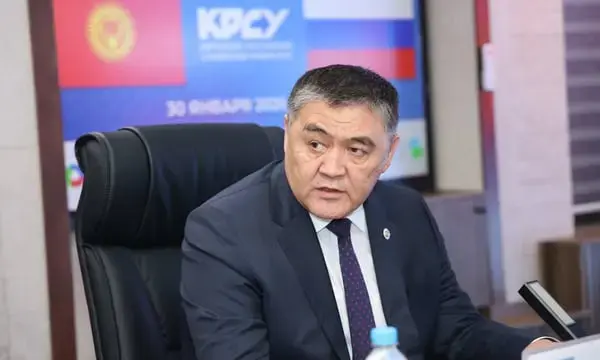
Justice on Trial
Kyrgyzstan's justice system has been criticized after Kamchybek Tashiev, convicted of plotting a coup, was given probation instead of jail time. Tashiev is a prominent figure in the country. The decision has sparked outrage among critics who say it shows the system's flaws.
Latest news
 Swedish Voters Choose New Parliament as Left-Wing Coalition Projects to Win Majority
 Trump Announces End of US Tariff on Irish Whisky
 Frances Stonor Saunders, Author of CIA Cultural Espionage Exposé, Dies at 66
 Israel and Lebanon to Hold Security Talks in Rome This October
The case against Tashiev was related to an alleged plot to overthrow the government. Despite being convicted, he was allowed to remain free on probation. This decision has been seen as lenient, especially when compared to the treatment of journalists and musicians who have been jailed or exiled for reporting on Tashiev's family's corruption.
Can the Powerful Be Held Accountable?
Critics argue that the leniency shown to Tashiev highlights the Kyrgyz justice system's bias towards those in power. Journalists and musicians who exposed corruption have faced harsh punishment, while Tashiev was given a second chance. This disparity raises questions about the system's ability to hold the powerful accountable.
The case has sparked concerns about the rule of law in Kyrgyzstan. Many believe that the justice system is influenced by politics and that those with power and connections can escape punishment.
Frequently Asked Questions
The Tashiev case has significant implications for the country's future. If those who plot to overthrow the government are not held to account, it undermines the rule of law. The leniency shown to Tashiev may embolden others to engage in similar activities.
The decision is likely to further erode trust in the justice system, which is already seen as flawed. The government's response to the criticism will be crucial in determining whether the system can be reformed.