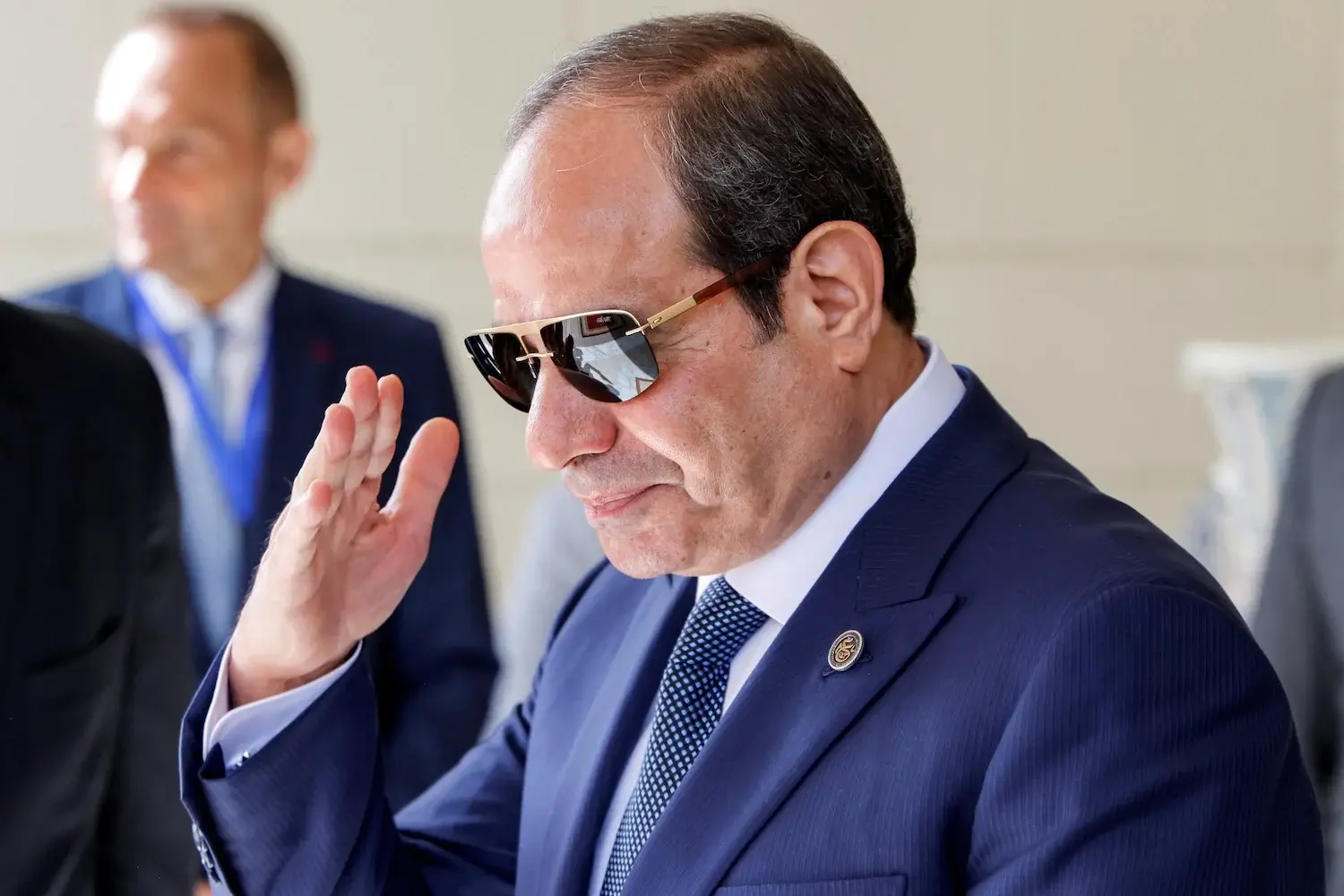
Egypt as a Regional Mediator: Balancing Act
Egypt has long positioned itself as a broker in the Middle East, stepping in when neighboring conflicts erupt. In recent years, Cairo has been asked to mediate between Israel and Hamas, to smooth tensions with Saudi Arabia, and to manage fallout from the Yemeni civil war and the Sudanese uprising. The question is whether these efforts reflect shrewd strategy or clumsy missteps.
Latest news
 G20 Trade Ministers Gather in Wisconsin Amid Tariff Tension
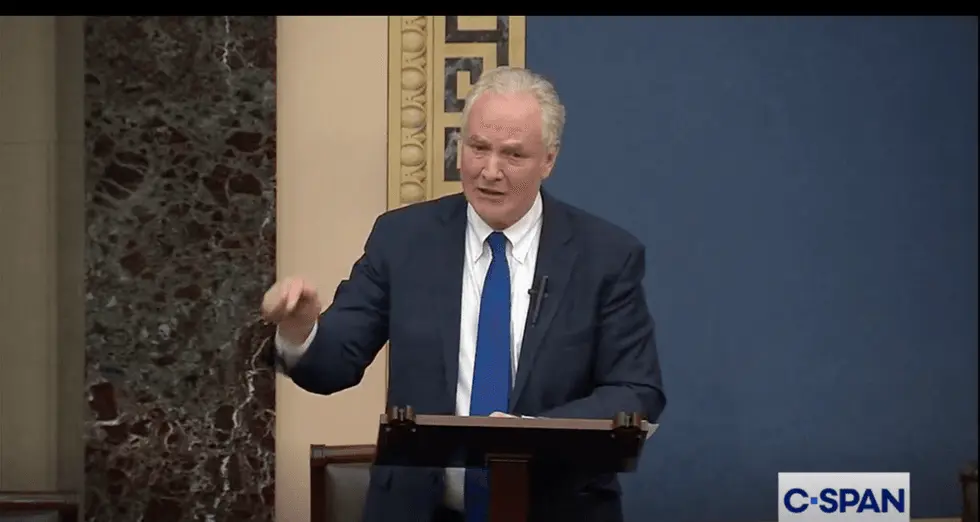 Senate Democrats Unite to Push for West Bank Violence Report
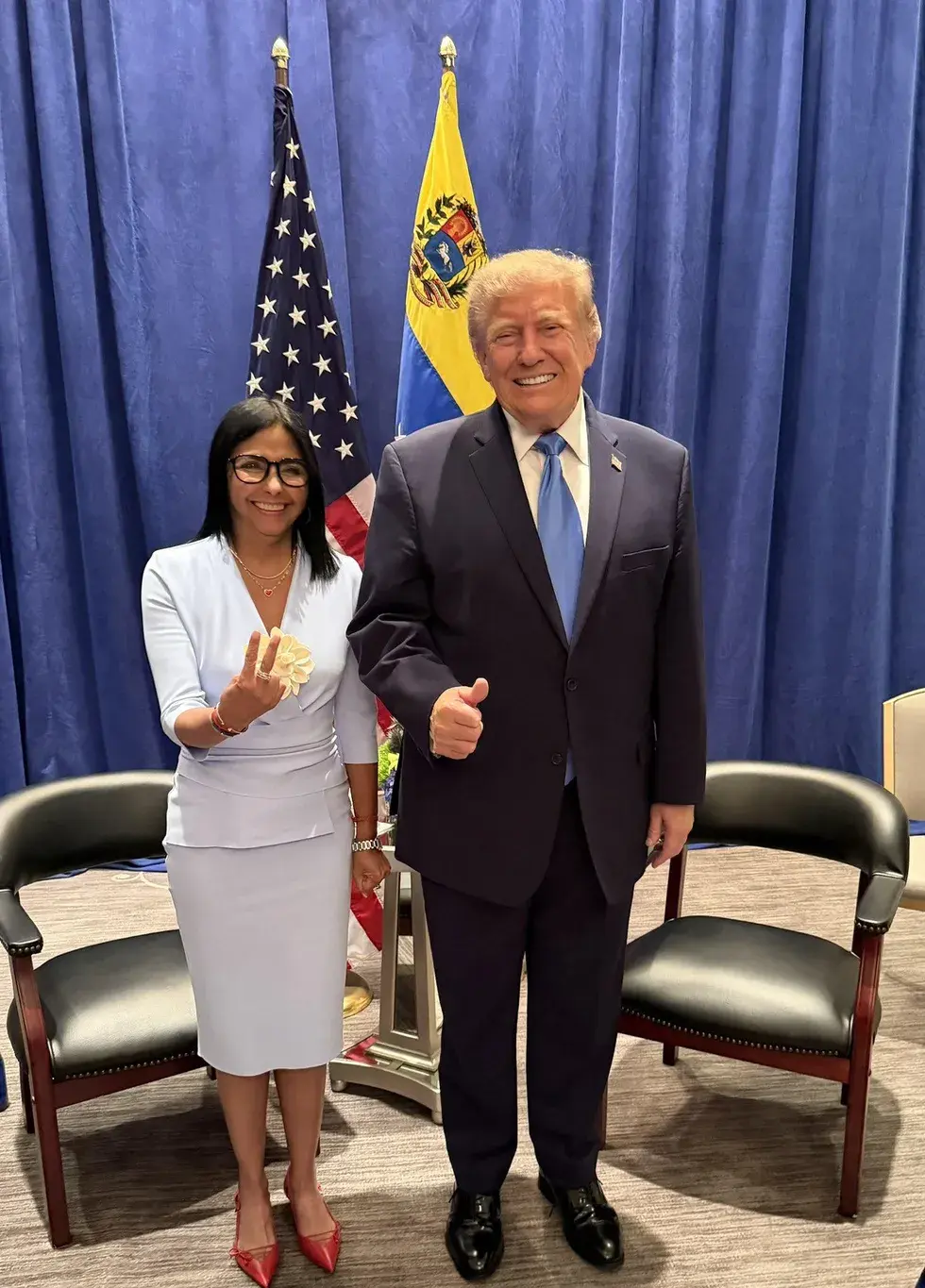 Sandino's Rebellion Against U.S. Occupation Begins in Nicaragua
 Diesel Surpasses Gasoline as Europe's Most Expensive Fuel
The country’s diplomatic playbook relies on geography, history, and domestic politics. Egypt shares borders with Israel, Gaza, and Jordan, and controls the Suez Canal, a critical artery for global trade. Its government, led by President Abdel Fattah el‑Sisi, has invested heavily in security and infrastructure, while also courting Gulf allies for economic aid. When a conflict flares, Egypt often opens its doors to negotiators, hosts cease‑fire talks, and offers to host refugees or humanitarian aid.
Egypt’s mediation between Israel and Hamas has been a recurring theme. In 2022, Cairo hosted a series of talks that resulted in a temporary cease‑fire. The Egyptian Foreign Ministry highlighted that its role was „to provide a neutral platform for dialogue.” Critics, however, argue that Egypt’s close ties to Israel and its reliance on Gulf funding may bias its negotiations. Moreover, the country often pushes for solutions that favor its own security interests, such as the protection of the Rafah crossing and the stability of the Sinai Peninsula.
Is the Approach Effective? A Question of Outcomes
In the broader regional context, Egypt has tried to balance relations with Saudi Arabia and the United Arab Emirates while maintaining ties to Turkey and Iran. The recent fallout from the Yemeni war saw Egypt urging a diplomatic reset, but its influence was limited by the deep divisions among Gulf states. Similarly, the Sudanese revolution has prompted Egypt to call for a peaceful transition, yet the country’s own internal security concerns have constrained its ability to intervene decisively.
Egypt’s strategic position enables it to act as a bridge between opposing sides. The country’s diplomatic corps is well‑versed in the cultural nuances of its neighbors, and its public diplomacy campaigns aim to portray Cairo as a stabilizing force. The government’s investment in the Suez Canal and the New Administrative Capital signals confidence in its ability to manage regional instability. Yet, the reliance on external funding and the need to protect its own borders often lead to compromises that dilute the effectiveness of its mediation.
The success of Egypt’s diplomatic initiatives is mixed. While short‑term cease‑fires and humanitarian corridors have been established, long‑term resolutions remain elusive. The repeated failures to secure a permanent peace between Israel and Hamas, and the inability to prevent spill‑over violence into the Sinai, suggest that Egypt’s diplomacy may be more reactive than proactive. Critics also point to the country’s sometimes opaque decision‑making process, which can erode trust among potential partners.
The consequences of Egypt’s diplomatic strategy are far‑reaching. A perceived lack of decisive action may weaken its standing among Gulf allies, while its domestic audience may question the effectiveness of the government’s foreign policy. On the other hand, Egypt’s continued role as a mediator keeps it relevant in a region where power dynamics shift rapidly.
Frequently Asked Questions
Q1: Why does Egypt focus on mediating between Israel and Hamas? A1: Egypt shares a border with Gaza and has a vested interest in preventing spill‑over violence into the Sinai. Its mediation helps maintain regional stability and protects its own security interests.
Q2: How does Egypt balance relationships with Gulf states and Turkey? A2: Cairo leverages economic ties with Saudi Arabia and the UAE while maintaining diplomatic channels with Turkey. It tries to avoid aligning too closely with any single partner to preserve flexibility.
Q3: What are the main challenges to Egypt’s diplomatic effectiveness? A3: Limited influence over entrenched regional actors, reliance on external funding, and domestic security concerns hinder Egypt’s ability to secure lasting agreements.