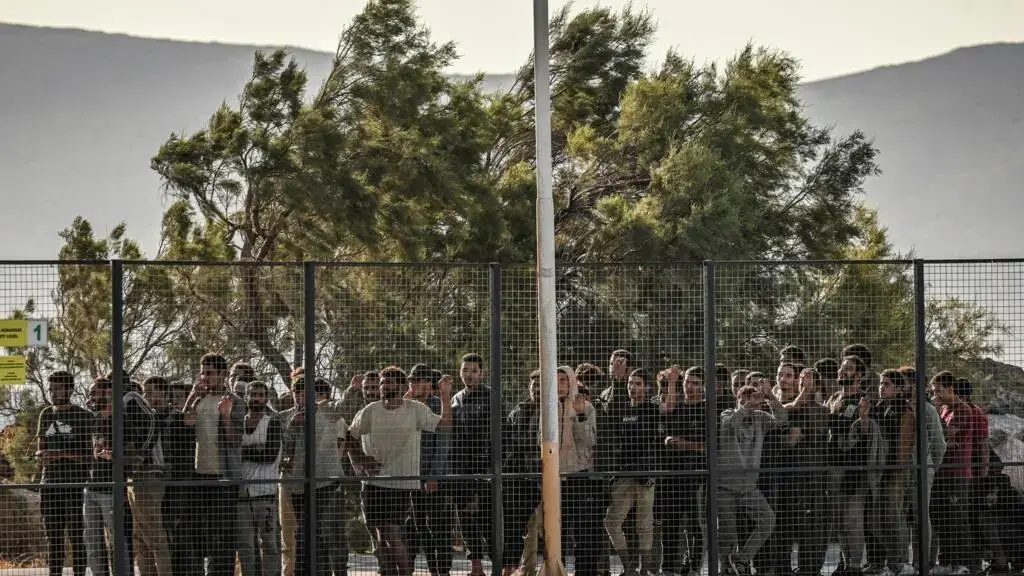
Balancing Human Rights and Border Security
The European Union adopted a major immigration reform on Friday, allowing member states to reduce protections for asylum-seekers. This move marks a significant shift in the EU's approach to handling migrants. The reform was years in the making. It aims to streamline asylum procedures.
Latest news
 Swedish Voters Choose New Parliament as Left-Wing Coalition Projects to Win Majority
 Trump Announces End of US Tariff on Irish Whisky
 Frances Stonor Saunders, Author of CIA Cultural Espionage Exposé, Dies at 66
 Israel and Lebanon to Hold Security Talks in Rome This October
The changes have sparked concerns among human rights groups, who warn that the new rules prioritize politics over humanitarian needs. European public opinion has grown increasingly skeptical of immigration, driving the push for stricter controls. As a result, the EU is rebalancing its commitment to protecting asylum-seekers.
Critics argue that the reform will lead to a „fortress Europe,”where migrants face increased barriers to seeking protection. The new rules permit member states to detain asylum-seekers for longer periods and to deport those deemed to be a security risk. Proponents claim this will help to address concerns around public safety.
Can Europe Protect Asylum-Seekers While Securing its Borders?
The reform is part of a broader effort to revamp the EU's migration policies, which have been under strain in recent years. As migration continues to be a contentious issue, EU leaders are under pressure to find a balance between protecting human rights and addressing public concerns.
The new rules are likely to have far-reaching consequences for migrants and European societies. As the EU implements the reform, it will be crucial to monitor its impact on human rights and social cohesion. The coming months will reveal whether the EU can strike a balance between competing priorities.
Frequently Asked Questions
What does the new reform mean for asylum-seekers? The reform allows member states to reduce protections and detain asylum-seekers for longer periods. This may lead to increased barriers to seeking protection. Asylum-seekers may face greater challenges in accessing the EU.
How will the reform affect EU member states? Member states will have greater flexibility to manage their borders and asylum procedures. This may lead to divergent approaches across the EU. Some states may adopt more restrictive policies.
What are the implications for human rights in Europe? Human rights groups are concerned that the reform prioritizes politics over humanitarian needs. The EU will need to ensure that its new rules comply with international human rights law. This will be crucial in maintaining the EU's commitment to protecting vulnerable populations.