Navigating Global Economic Headwinds
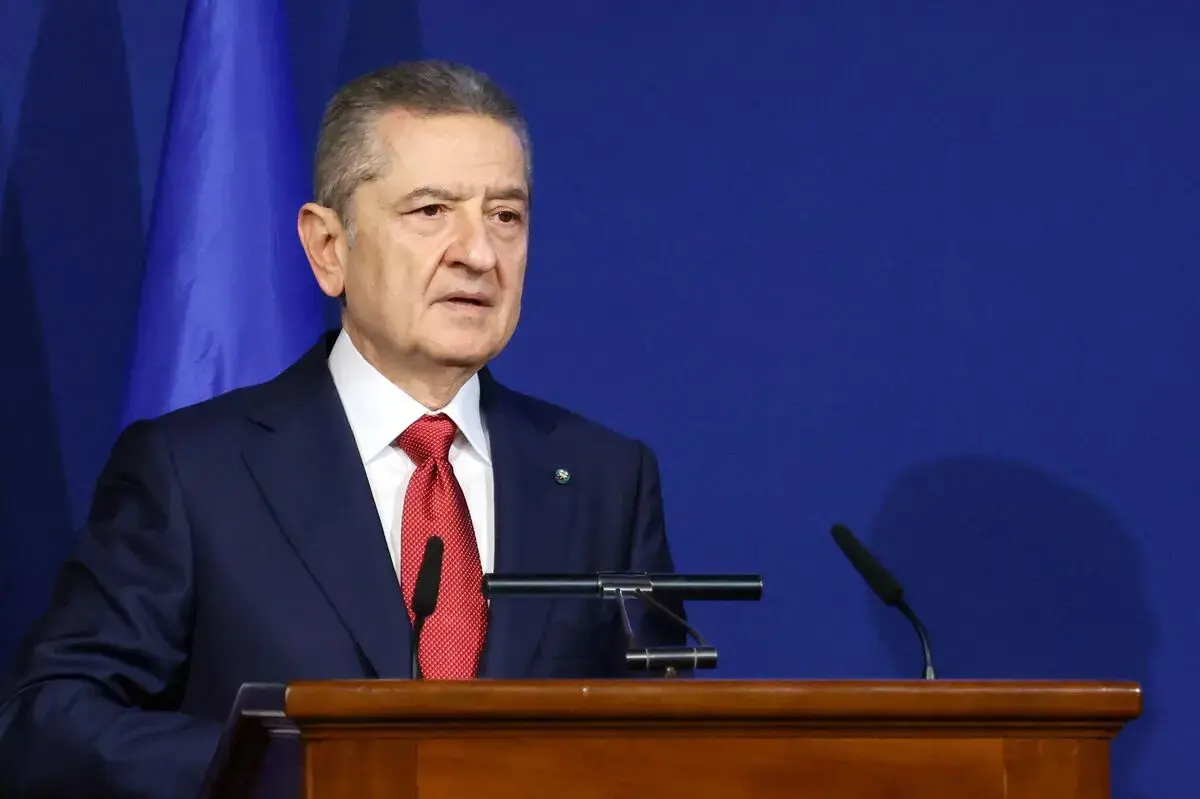
Fabio Panetta, a key member of the European Central Bank’s Governing Council, recently highlighted the precarious state of the eurozone economy. Speaking on the current financial landscape, he noted that policymakers face significant uncertainty. Both inflation targets and broader growth prospects remain under pressure as the region navigates a complex global environment.
Latest news
 Swedish Voters Choose New Parliament as Left-Wing Coalition Projects to Win Majority
 Trump Announces End of US Tariff on Irish Whisky
 Frances Stonor Saunders, Author of CIA Cultural Espionage Exposé, Dies at 66
 Israel and Lebanon to Hold Security Talks in Rome This October
The European economy is currently struggling to find stable footing. Panetta’s assessment points to a delicate balance that central bankers must maintain. While recent data showed some signs of stabilization, the underlying risks to price stability and economic expansion remain elevated. Officials are now weighing these factors to determine the future path of monetary policy.
The eurozone is not operating in a vacuum. External pressures, including geopolitical tensions and shifting international trade dynamics, are complicating the recovery process. Panetta emphasized that these external shocks could easily derail current efforts to keep inflation within the target range.
Can the Eurozone Avoid a Hard Landing?
Domestic demand also remains a concern for the Governing Council. While the labor market has shown resilience, consumer spending has not yet reached the levels required to sustain robust growth. The central bank must now decide whether to maintain current interest rates or adjust them to mitigate the risk of a prolonged stagnation.
The primary challenge for the ECB is preventing an economic downturn while simultaneously curbing rising prices. Panetta’s cautious tone suggests that the path toward a soft landingis narrowing. Policymakers are increasingly wary of tightening policy too aggressively, which could stifle the fragile recovery already underway.
Frequently Asked Questions
The outlook for the coming months remains heavily dependent on incoming data. If inflation proves more persistent than expected, the ECB may be forced to keep borrowing costs higher for longer. Conversely, a sharp decline in growth could necessitate a shift toward more supportive measures to protect the regional economy.
What is the main concern for the European Central Bank right now? The bank is primarily worried about balancing the need to control inflation while avoiding a significant slowdown in economic growth. This delicate task is complicated by persistent uncertainty in both domestic and global markets.
How does the international situation affect the eurozone? Geopolitical instability and global trade fluctuations create unpredictable pressures on the European economy. These external factors can disrupt supply chains and energy prices, making it difficult for the ECB to predict future inflation trends.