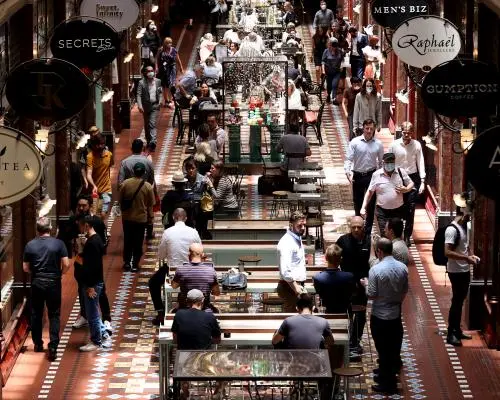
Will the Antisemitism Allegations Hurt the National Rally’s Momentum?
Paris, September 28 — Marine Le Pen’s National Rally surged in the recent regional elections, prompting renewed scrutiny of its leaders. One of its most visible figures, Jordan Bardella, faced fresh accusations of antisemitic remarks after a Mediapart investigation released explosive details. Bardella took to social media on Tuesday to reject the allegations, insisting his statements have been misinterpreted and that he remains committed to fighting all forms of hatred.
Latest news
 US Officials Question Bail Decisions Following Security Breach at RAF Fairford
 Eighty-Seven-Year-Old Evicted Tenant Set to Return Home
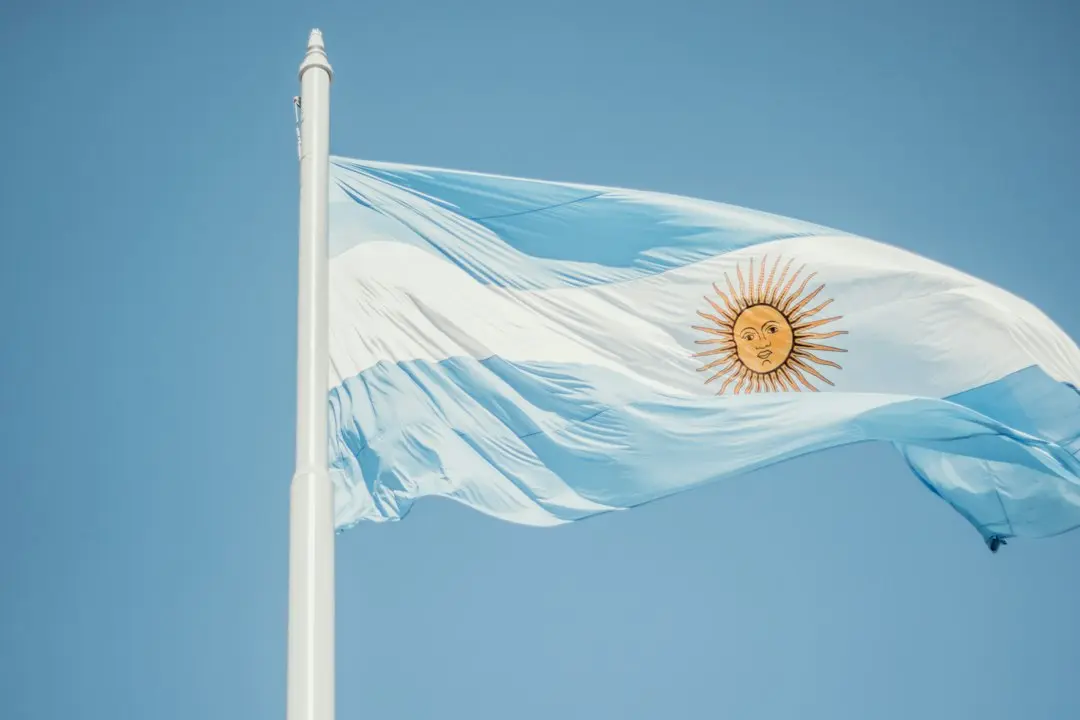 Argentina Threatens Legal Action Over Falklands Oil Drilling
 Rights Advocates Condemn Alleged Vietnamese Abductions
The Mediapart report, published on Monday, cited private messages and public speeches that critics say echo classic antisemitic tropes. The dossier sparked outrage among Jewish organizations and prompted calls for the party to distance itself from extremist rhetoric. Bardello’s rapid response came in the form of a short video posted on his official account, where he labeled the accusations „baseless” and „politically motivated.” He argued that the excerpts were taken out of context and that his record shows consistent support for Israel’s right to security. The controversy emerges as the National Rally seeks to broaden its appeal beyond its traditional base, targeting younger voters disillusioned with mainstream parties.
In his rebuttal, Bardella highlighted several instances where he condemned hate crimes and defended religious minorities. He referenced a 2022 parliamentary debate in which he voted for a resolution condemning antisemitic attacks across Europe. „My political career has never been about targeting any community,” he wrote, adding that the selective use of his words was „a tactic to undermine the party’s legitimacy.” Legal experts note that French defamation law requires proof of intent, making it difficult for opponents to secure a conviction based solely on ambiguous statements. Nonetheless, the episode has reignited internal debates within the National Rally about the balance between hard‑line rhetoric and broader electoral strategy.
Political analysts warn that the scandal could erode the party’s gains if it alienates moderate voters. A recent poll by IFOP shows the National Rally’s support slipping from 28 % to 24 % among respondents who consider antisemitism a serious issue. Yet the party’s core supporters appear unfazed, with many viewing the accusations as a „media witch hunt.” The upcoming municipal elections will test whether the controversy translates into lost votes or merely fuels a rally‑around‑the‑flag effect among loyalists. Observers suggest that the party’s response—whether it adopts stricter internal controls or doubles down on its messaging—will shape its trajectory in the next national election cycle.
Frequently Asked Questions
What specific statements are being labeled antisemitic? The Mediapart investigation points to a series of private chat excerpts where Bardella allegedly used language that parallels historic antisemitic conspiracy theories, as well as a 2021 speech referencing „globalist influences” in a way critics say targets Jewish communities.
Has Bardella faced similar accusations before? Yes, he has been criticized in the past for comments on immigration and cultural identity that some observers linked to antisemitic sentiment, though he has consistently denied any prejudice.
What could be the legal repercussions for Bardella? If prosecutors deem the remarks sufficiently defamatory or hateful under French law, Bardella could face a formal investigation. However, proving criminal intent is challenging, and many such cases end in civil penalties or public censure rather than imprisonment.