Shifting Voter Sentiment Creates Strategic Dilemmas
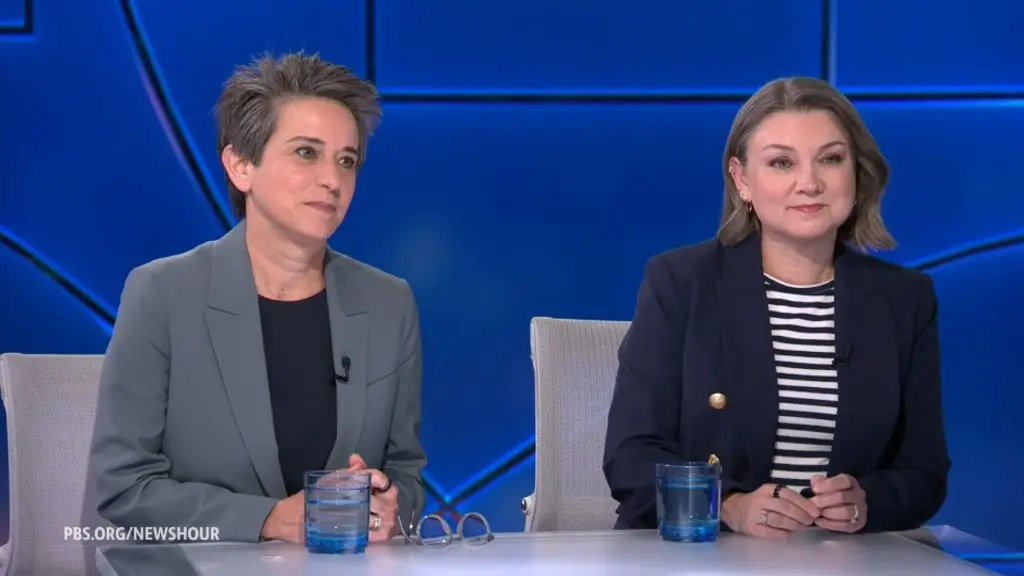
On September 7, 2026, prominent political analysts Tamara Keith and Amy Walter joined host Geoff Bennett for a detailed discussion. The conversation focused specifically on the significant hurdles facing the Republican Party ahead of the upcoming midterm elections. These experts provided critical insights into the current political landscape and strategic challenges. Their analysis offers a clear view of the obstacles the GOP must navigate to maintain its legislative footing. This segment highlights the growing complexity of the party's path forward in a shifting electoral environment.
Latest news
 Swedish Voters Choose New Parliament as Left-Wing Coalition Projects to Win Majority
 Trump Announces End of US Tariff on Irish Whisky
 Frances Stonor Saunders, Author of CIA Cultural Espionage Exposé, Dies at 66
 Israel and Lebanon to Hold Security Talks in Rome This October
The discussion centered on the specific difficulties Republicans face in retaining or expanding their majority. Keith and Walter examined how internal dynamics and external pressures are shaping campaign strategies. They noted that voter sentiment has shifted significantly since the last election cycle. This change requires a fundamental reevaluation of traditional messaging and outreach methods. The experts emphasized that complacency is a major risk for the party leadership.
Amy Walter highlighted the nuanced nature of current voter preferences. She explained that voters are less predictable than in previous cycles. This unpredictability makes it difficult for Republican candidates to rely on historical data alone. Tamara Keith added that demographic shifts are playing a crucial role in this volatility. Younger voters, in particular, are showing mixed reactions to the party's platform. This demographic group often decides close races in key swing districts. Consequently, the GOP must tailor its message to appeal to these undecided voters without alienating its core base.
Can the GOP Adapt to New Electoral Realities?
The experts also discussed the financial implications of these challenges. Fundraising efforts have become more competitive as both parties vie for limited resources. Walter pointed out that small-dollar donations are increasingly vital for grassroots success. Keith noted that digital campaigns now dominate local election strategies. This shift requires candidates to be highly active on social media platforms. Failure to engage digitally can result in lower name recognition among younger demographics. The cost of running effective campaigns continues to rise, putting pressure on party treasuries.
The final part of the conversation addressed the potential outcomes if the party fails to adapt. Both analysts agreed that the stakes are higher than in any recent midterm cycle. A loss of the House would likely trigger intense scrutiny of the White House. Walter suggested that the party needs to unify its message quickly. Keith warned that internal factional disputes could further weaken candidate viability. The experts concluded that time is running out for strategic adjustments.
Looking ahead, the next few months will be critical for the Republican Party. Success depends on how effectively leaders implement the advice shared in this analysis. Voters will judge the party based on its ability to deliver tangible results. The midterm elections will serve as a definitive test of the GOP's resilience. If the party cannot address these core issues, it may face a prolonged period of opposition status. The political landscape remains fluid, but the direction is becoming clearer for those willing to listen.
Frequently Asked Questions
Who are the main experts discussing the GOP's challenges? Tamara Keith from NPR and Amy Walter from the Cook Political Report are the primary voices. They provide expert analysis on the party's strategic difficulties.
When did this discussion take place? The segment aired on September 7, 2026. It was hosted by Geoff Bennett as part of a broader political news program.
What is the central focus of their analysis? The conversation centers on the specific hurdles the Republican Party faces during the 2026 midterm elections. It covers voter sentiment, fundraising, and strategic messaging issues.