Enforcing Federal Compliance Standards
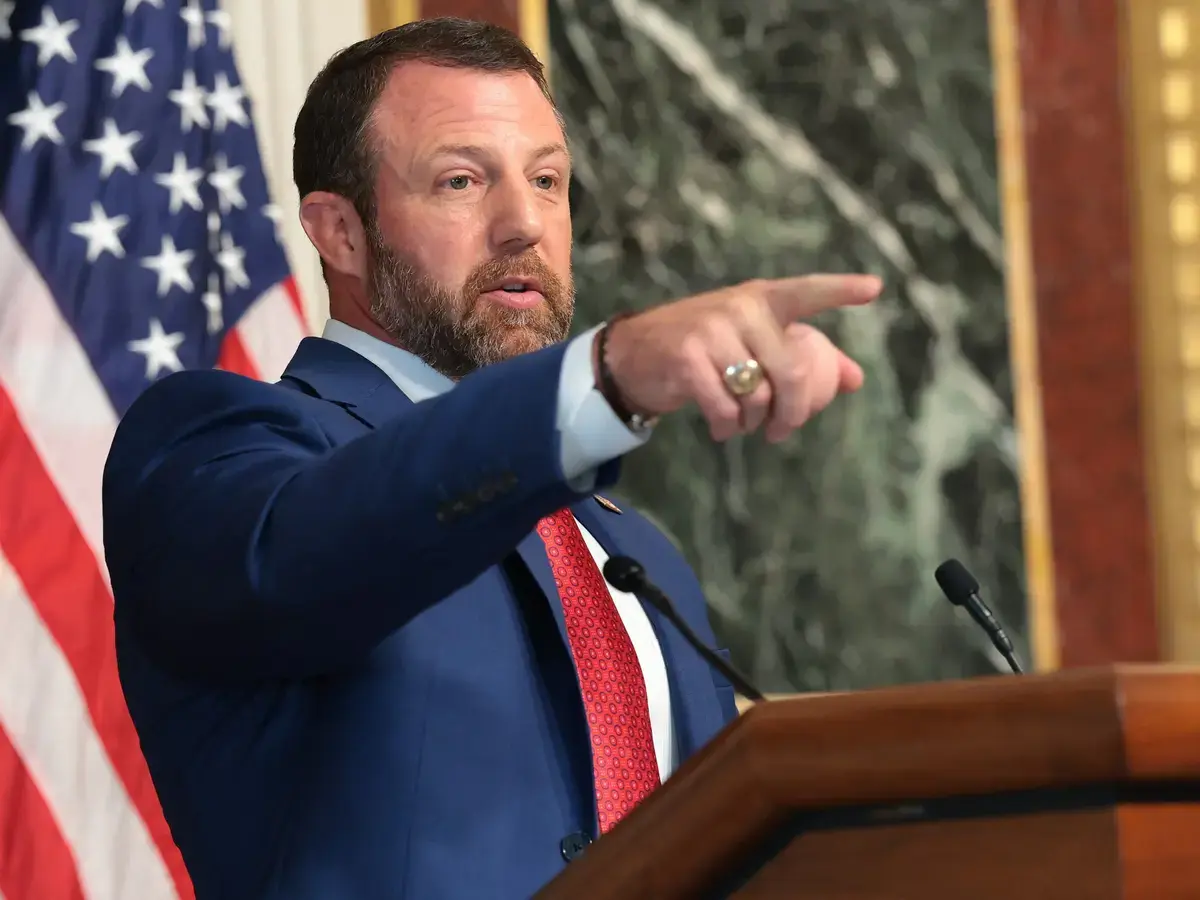
Homeland Security Secretary Mullin recently announced a significant shift in federal election oversight protocols. During a high-level briefing, he confirmed that the department will transition former President Trump’s election security recommendations into mandatory requirements. This policy change aims to establish a unified federal standard for voting procedures across the United States.
Latest news
 Swedish Voters Choose New Parliament as Left-Wing Coalition Projects to Win Majority
 Trump Announces End of US Tariff on Irish Whisky
 Frances Stonor Saunders, Author of CIA Cultural Espionage Exposé, Dies at 66
 Israel and Lebanon to Hold Security Talks in Rome This October
The administration intends to launch what it describes as a maximum pressurecampaign to ensure full compliance from state and local election officials. By formalizing these guidelines, the Department of Homeland Security seeks to eliminate discrepancies in how ballots are processed and secured. Officials argue that this move is essential to restore public trust in the integrity of the electoral process.
The proposed mandate focuses on tightening security measures at every stage of the voting cycle. This includes stricter identity verification protocols and enhanced physical security for ballot storage facilities. Secretary Mullin emphasized that states failing to adopt these specific measures will face significant federal scrutiny.
Will These New Protocols Reshape Voter Access?
The strategy relies on leveraging federal resources to compel cooperation from jurisdictions that have previously resisted federal oversight. Critics of the plan worry that such aggressive tactics could infringe upon the traditional rights of states to manage their own elections. However, the administration maintains that a centralized approach is the only way to safeguard against potential interference.
The implementation of these mandates could fundamentally alter the landscape of American elections. By prioritizing security over local administrative flexibility, the federal government is positioning itself as the primary authority on voting integrity. Observers expect legal challenges from states arguing that these requirements overstep federal constitutional boundaries.
As the department moves forward, the primary focus will be on the logistical rollout of these new rules. The success of this campaign depends on whether state officials choose to align with the federal directive or engage in a prolonged legal battle. The outcome will likely define the federal government’s role in future election cycles.
Frequently Asked Questions
What is the primary goal of the new election security mandate? The goal is to transform informal security recommendations into mandatory federal requirements to ensure uniform voting standards across the country.
How does the department plan to handle states that refuse to comply? The administration intends to use a maximum pressurecampaign to force compliance, though specific enforcement mechanisms remain under development.
Could this policy lead to legal disputes? Yes, legal experts anticipate that states may challenge the federal government's authority to dictate local election procedures in court.