Strategic Timing Ahead of Midterm Elections
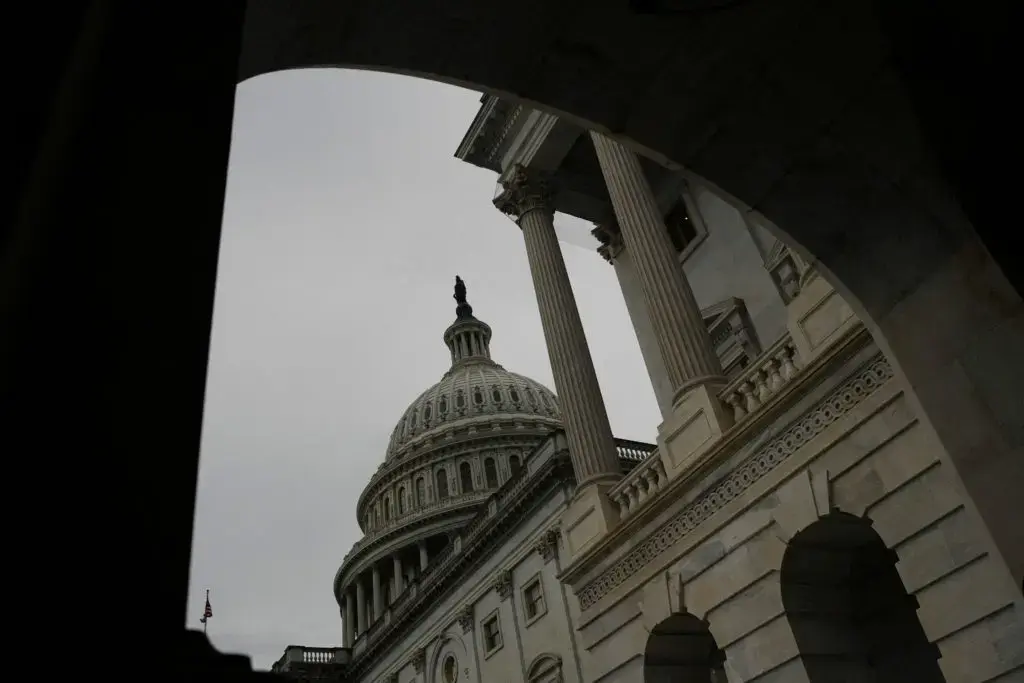
The United States House of Representatives approved a short-term spending measure on Wednesday. This action secures funding for the federal government through early next month. The move prevents a potential funding battle during the critical midterm election period. Lawmakers acted quickly to maintain government operations without interruption. The bill clears a path for continued services across all departments.
Latest news
 Swedish Voters Choose New Parliament as Left-Wing Coalition Projects to Win Majority
 Trump Announces End of US Tariff on Irish Whisky
 Frances Stonor Saunders, Author of CIA Cultural Espionage Exposé, Dies at 66
 Israel and Lebanon to Hold Security Talks in Rome This October
The House voted to adopt this temporary financial solution. It addresses the immediate need for cash flow in federal agencies. By passing this measure, legislators avoided a protracted dispute over long-term budgets. The timing is significant as the nation approaches key electoral dates. This decision ensures that essential services remain funded while Congress debates larger fiscal issues. The approval signals a preference for stability over confrontation right now.
The primary driver behind this vote is the proximity of midterm elections. Lawmakers wanted to avoid a high-stakes funding fight that could dominate the news cycle. Such a conflict might distract voters or highlight partisan divisions. Instead, the House chose a low-drama approach to keep the focus on policy rather than procedural gridlock. This strategy allows both parties to campaign without the backdrop of a government shutdown threat.
Does This End the Budget Debate?
The short-term nature of the bill means it only covers a limited window. It does not resolve deeper structural budgetary challenges. However, it buys time for further negotiations. Leaders emphasized that this was a necessary step to maintain continuity. They argued that a longer-term deal would require more complex discussions. Those talks are better suited for a later date when political pressure is lower. The immediate goal was simply to keep the lights on.
No, this vote does not conclude the broader budgetary discussion. It merely postpones the final resolution. The short-term funding expires in early next month. At that point, Congress must either pass a new comprehensive bill or extend the stopgap again. This creates a recurring cycle of temporary fixes. Critics argue that this approach lacks long-term vision. Supporters claim it is the most pragmatic option available currently. The debate will likely resume once the election season winds down.
The outcome sets the stage for future legislative sessions. If the next government changes hands, priorities may shift dramatically. The current administration’s spending preferences might face scrutiny. New leadership could propose alternative frameworks for federal finance. Until then, the government operates under this temporary authorization. The House’s action reflects a desire for calm before the storm. It provides a breathing space for political maneuvering.
Frequently Asked Questions
How long does this spending bill last? The measure funds the federal government until early next month. It serves as a bridge until a permanent budget can be negotiated. This timeframe is designed to cover the immediate operational needs of agencies.
Why did the House choose a short-term bill? Lawmakers aimed to avoid a contentious funding fight during the midterm election cycle. A shorter bill reduces the risk of a government shutdown. It keeps the political focus away from budgetary gridlock.
What happens after this bill expires? Congress must act before the deadline to prevent a lapse in funding. They will need to pass a new resolution or a full-year budget. Failure to act could result in a partial or total government shutdown.