
Rising Tensions in the Southern Corridor
The Houthi movement announced on Sunday that Saudi Arabia launched 28 air attacks on multiple Yemeni provinces within the past day. The strikes, reportedly targeting the governorates of Taiz, Aden, and others, come amid the ongoing conflict between the Iranian‑backed rebels and the Riyadh‑supported Yemeni government. The Houthis said the attacks were part of a broader campaign to pressure the government into negotiations.
Latest news
 Trump & Xi to Meet Amidst Friction on Wars, Tech, Trade
 Trump's Triumphal Arch Plan Highlights Growing Political Isolation
 Trump to Create Health Funding Board with Power to Veto „Woke” Research
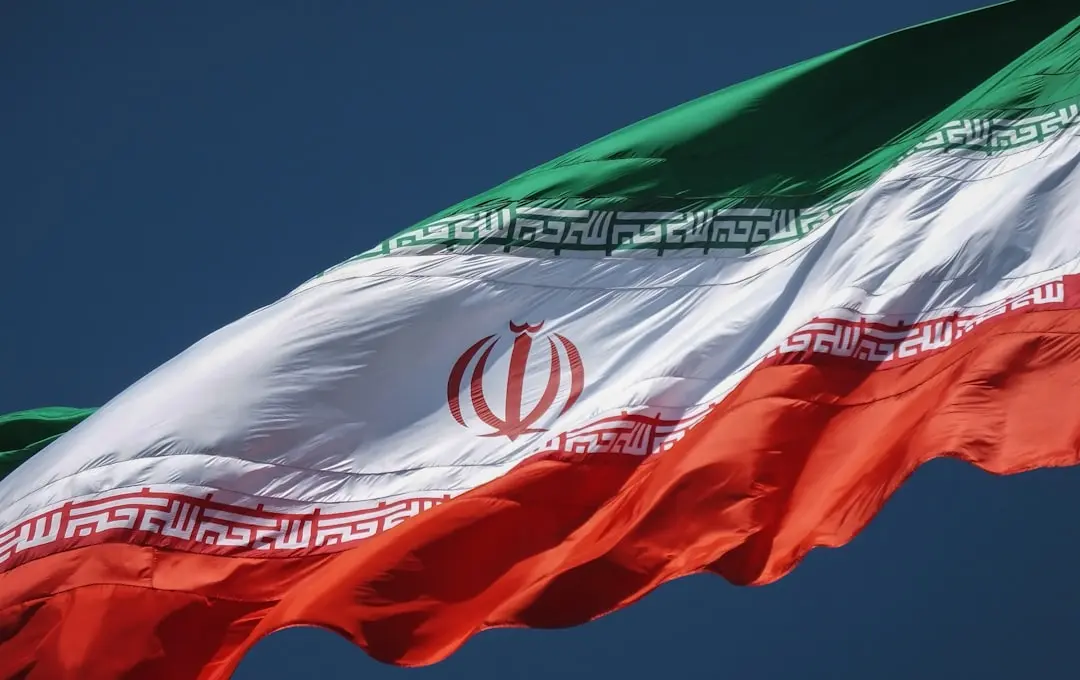 Iran's Foreign Minister Heads to New York for UN General Assembly
Saudi Arabia’s military has denied any escalation beyond routine operations. The Houthi claim follows a pattern of mutual accusations that have intensified since the Saudi‑led coalition began its intervention in 2015. Analysts note that the timing coincides with the coalition’s planned offensive in the southern region, suggesting a strategic attempt to disrupt supply lines and weaken government forces.
How Do These Strikes Affect the Negotiation Process?
The southern governorates, especially Aden, have been flashpoints in recent months. The Houthi statement highlighted that the strikes targeted civilian infrastructure, including roads and marketplaces. Local officials reported damage to several buildings and a spike in civilian casualties. Humanitarian groups warn that repeated air campaigns risk violating international law and could trigger a humanitarian crisis. The Houthis claim that the attacks are retaliatory, citing earlier Saudi strikes that destroyed Houthi supply depots.
The escalation threatens to derail ongoing peace talks mediated by the United Nations. Negotiators have repeatedly called for a ceasefire, but the latest attacks have hardened positions on both sides. The Houthis argue that the strikes demonstrate Saudi Arabia’s unwillingness to negotiate, while the Saudi government maintains that the attacks are aimed at militant positions. The United Nations has urged both parties to adhere to the ceasefire agreed upon in 2023, warning that further violence could collapse the fragile truce.
What Is the Likely Impact on Yemen’s Humanitarian Situation?
The international community, including the United States and the United Kingdom, has expressed concern over the potential for civilian harm. Human rights organizations have called for independent investigations into the alleged targeting of non‑military sites. The Houthis have pledged to continue their resistance until a political settlement is reached, while the Saudi coalition has reiterated its commitment to restoring Yemen’s stability.
Yemen already faces one of the world’s worst humanitarian crises, with millions in need of food and medical assistance. The latest air campaign risks disrupting aid deliveries and damaging essential infrastructure. The United Nations Office for the Coordination of Humanitarian Affairs warns that any further escalation could push an additional 2 million people into acute food insecurity. The Houthis’ claim that civilian areas were hit could undermine international aid efforts, as donors fear that their resources may be used to support military operations.
Frequently Asked Questions
In the longer term, the conflict’s persistence may lead to a breakdown of the fragile governance structures that have kept the war from spiraling into full civil war. The Houthis’ insistence on a political solution remains, but the recent attacks suggest that the path to peace is fraught with setbacks. The international community must intensify diplomatic pressure to prevent further civilian suffering and to revive the stalled peace process.
Q: Which governorates were targeted? A: The statement mentioned attacks in Taiz, Aden, and other southern provinces, though specific locations were not fully disclosed.