Testing for Transparency: How Do the Machines Actually Work?
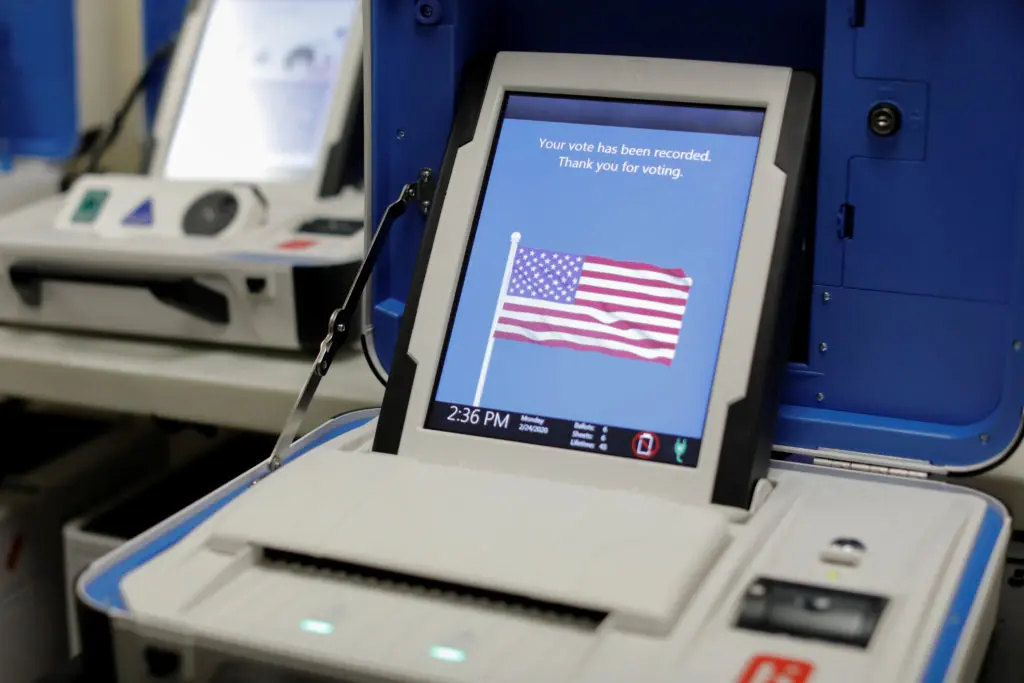
Local election officials across the country are conducting extensive testing of voting equipment in the weeks leading up to the midterm election. From small-town precincts in rural states to bustling urban centers, staff are running full simulations, calibrating machines, and verifying software integrity to ensure voters can trust the results on Election Day.
Latest news
 Iranian Leadership Condemns Rubio's Historic Athens Speech
 The FBI Pressures Iranian-American Scholar
 Trump Slams Nobel Peace Prize Snub With Eight-War Claim
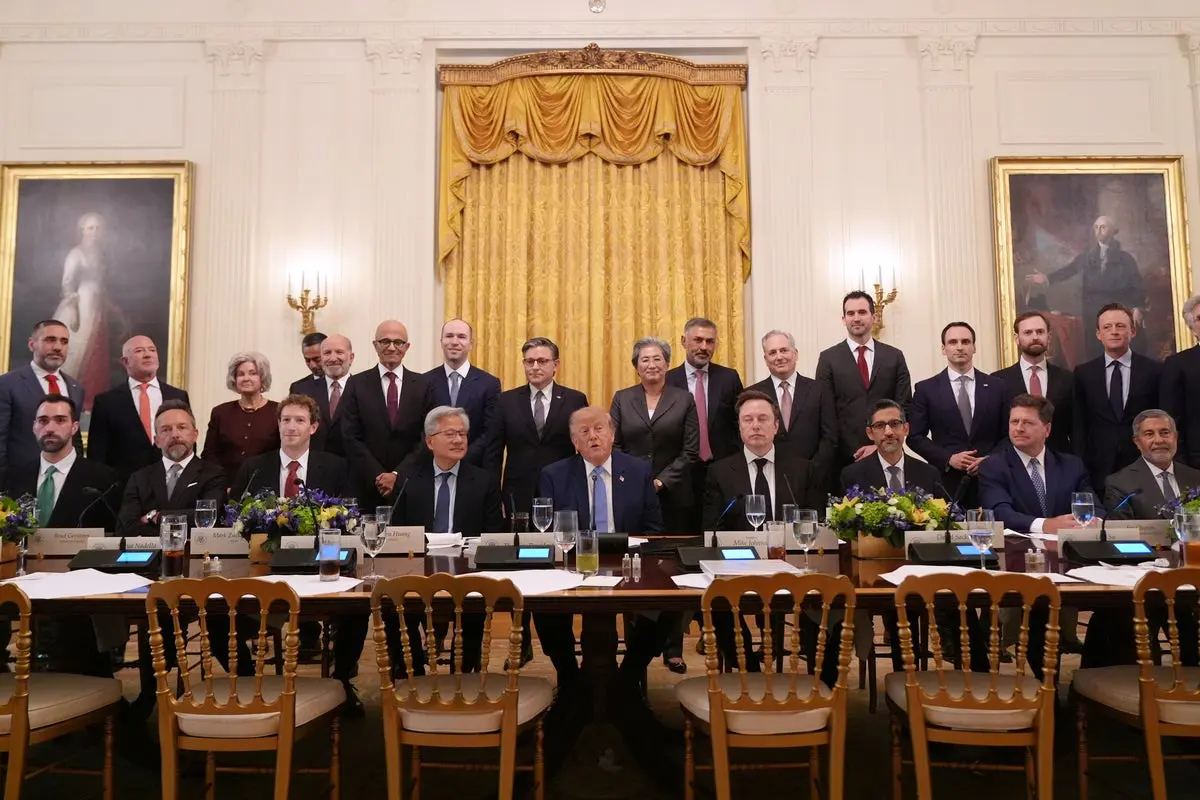 Silicon Valley Tech Leaders Welcome Light-Touch Approach
In many jurisdictions, technicians are now performing „dry‑run” elections that mimic real voting conditions. They use mock ballots, test software updates, and run security scans. These exercises are happening at least a month before ballots are cast, allowing officials to identify and fix any glitches before the public votes.
The testing process begins with a hardware inspection. Technicians verify that each voting machine’s components—such as the touch screen, card reader, and printer—are functioning. They then load the latest voter‑registration data and run a series of test ballots. Each test ballot is recorded, printed, and tallied to confirm that the machine’s output matches the expected result. If a discrepancy appears, the machine is reset or repaired.
Are These Tests Enough to Prevent Fraud?
Software integrity is examined next. Security analysts run penetration tests to check for vulnerabilities that could be exploited by malicious actors. They also confirm that the audit trail, which logs every action taken by the machine, is complete and tamper‑proof. „We want every vote to be verifiable by an independent audit,” says one county clerk. „That’s why the audit trail must be flawless.”
The testing schedule is coordinated with state election boards. Boards provide guidelines on the number of tests required and the types of scenarios to simulate. In some states, officials are required to conduct a full „election simulation” that includes every candidate and ballot measure on the actual ballot. These simulations help identify issues related to complex ballot designs or multiple-choice questions that could confuse voters.
The question of whether the tests can fully eliminate the risk of fraud is a topic of debate. Critics argue that testing only covers the machines themselves, not the surrounding processes. Others point out that human error—such as mislabeling a machine or misreading a ballot—can still occur. However, most experts agree that rigorous machine testing is a critical step in building public confidence.
Frequently Asked Questions
„Testing is not a guarantee against fraud, but it dramatically reduces the chances of a malfunction that could be exploited,” explains a cybersecurity specialist. „When voters see that every machine has been vetted, it strengthens the legitimacy of the election.”
Some jurisdictions are taking additional steps. They are installing independent observers in polling places to monitor the machines during the actual vote. Others are providing training sessions for poll workers to recognize and report anomalies. These layers of oversight aim to create a comprehensive safety net that extends beyond the machines themselves.
The stakes are high. A single malfunction on Election Day could erode trust in the democratic process and lead to legal challenges. By investing in thorough testing now, local officials hope to prevent costly recounts and ensure that every vote is counted accurately.