A Re‑Emerging Ally in Regional Politics
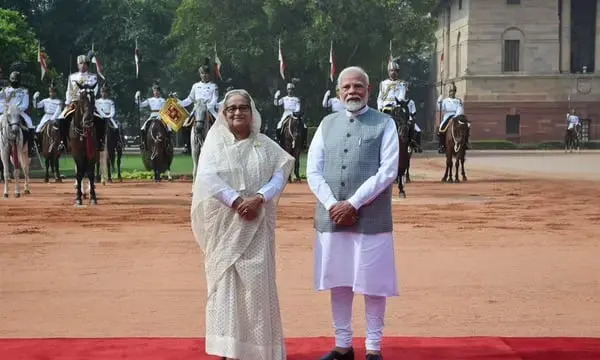
The Indian government hosted former Bangladeshi prime minister Khaleda Zia on August 10 in New Delhi, allowing her to criticize the current administration of Sheikh Hasina. The event took place at a high‑profile venue and was attended by senior Indian officials, underscoring Delhi’s willingness to provide a platform for the ousted leader.
Latest news
 Swedish Voters Choose New Parliament as Left-Wing Coalition Projects to Win Majority
 Trump Announces End of US Tariff on Irish Whisky
 Frances Stonor Saunders, Author of CIA Cultural Espionage Exposé, Dies at 66
 Israel and Lebanon to Hold Security Talks in Rome This October
The gathering was organized by a coalition of Indian political groups that have long championed closer ties with Zia’s Bangladesh People’s Party. Organisers said the forum was meant to highlight concerns over democratic backsliding in Bangladesh. India’s decision reflects a strategic calculation: maintaining influence over a neighboring state whose political landscape has shifted dramatically since the 2008 power transition.
Khaleda Zia, who led Bangladesh from 1991 to 1996 and again from 2001 to 2006, was removed from power after a military‑backed caretaker government. Since then, she has lived in exile, first in the United Kingdom and later in the United Arab Emirates. Her appearance in New Delhi marks a rare public challenge to Sheikh Hasina’s rule, which has been praised for economic growth but criticized for curbing opposition voices.
Will India’s Support Alter Bangladesh’s Power Balance?
Indian officials framed the event as a „dialogue on democratic values” rather than a partisan endorsement. Analysts argue that Delhi hopes to leverage Zia’s legacy to keep Bangladesh within its strategic orbit, especially as China deepens its economic footprint in Dhaka. The platform also allows India to signal to regional partners that it will not shy away from supporting former allies when political tides turn.
Observers question whether India’s backing of Zia will translate into tangible political change in Bangladesh. The Hasina government has repeatedly dismissed external interference, emphasizing sovereignty and internal stability. Nonetheless, the Indian move may embolden opposition groups, providing them with an international stage and potentially reshaping diplomatic calculations.
Critics warn that such interventions risk inflaming tensions and could undermine regional cooperation. The Indian foreign ministry, however, maintains that the event respects Bangladesh’s internal affairs while promoting democratic discourse. The outcome will likely depend on how both governments navigate the delicate balance between sovereignty and strategic partnership.
The episode highlights the enduring complexity of India‑Bangladesh relations, where historical ties, security concerns, and competing influences intersect. As Bangladesh continues its development trajectory, the presence of a former premier on Indian soil may serve as a reminder that political alliances in South Asia remain fluid and subject to external encouragement.
Frequently Asked Questions
Why did India host Khaleda Zia? India aimed to reaffirm its historical partnership with Zia’s party and to showcase a commitment to democratic dialogue, positioning itself as a regional stakeholder.
How might Bangladesh react to the event? Dhaka is likely to condemn the gathering as interference, while using it to rally domestic support and reinforce its narrative of sovereign governance.
Could this affect India‑China competition in the region? Providing a platform for Zia may help India counter China’s growing influence in Bangladesh, but it also risks escalating diplomatic friction between the two powers.