Cracks in the Political Foundation
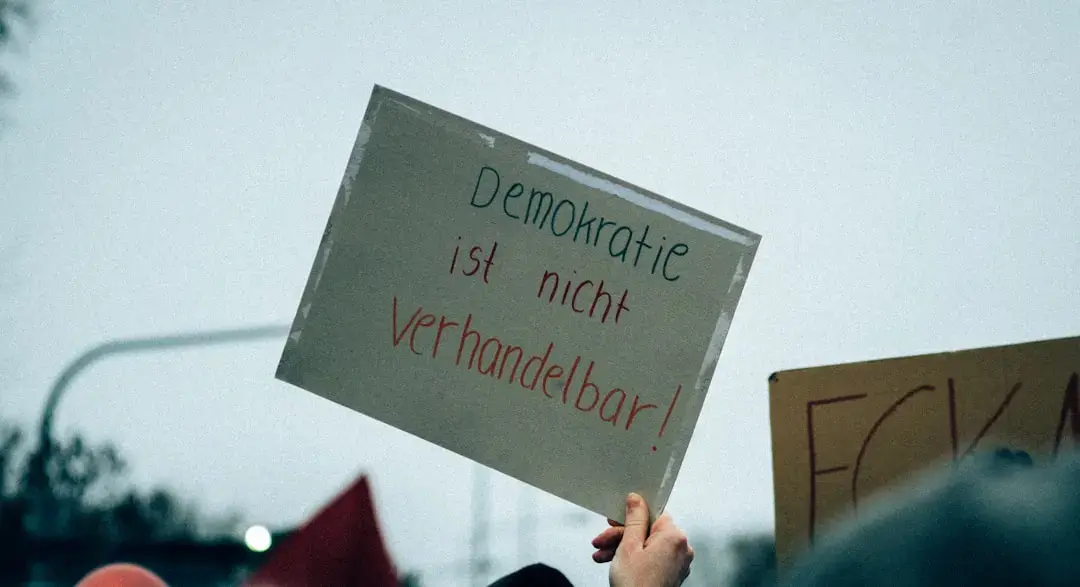
India’s ruling administration yielded to intense pressure from student protesters this weekend, marking a rare political retreat for Prime Minister Narendra Modi. Following weeks of nationwide demonstrations led by the Cockroach Janta Party, the government agreed to all student demands. The education minister officially resigned on Saturday, signaling a significant shift in national policy.
Latest news
 Swedish Voters Choose New Parliament as Left-Wing Coalition Projects to Win Majority
 Trump Announces End of US Tariff on Irish Whisky
 Frances Stonor Saunders, Author of CIA Cultural Espionage Exposé, Dies at 66
 Israel and Lebanon to Hold Security Talks in Rome This October
The movement gained momentum as young voters challenged the government’s rigid stance on academic and employment reforms. By organizing through digital platforms and grassroots networks, these students effectively paralyzed bureaucratic operations. This display of unity exposed unexpected vulnerabilities within the ruling party’s long-standing dominance and centralized leadership structure.
The resignation of the education minister serves as a direct consequence of the administration’s failure to address student grievances earlier. Observers suggest this capitulation highlights a growing disconnect between traditional political elites and the aspirations of India’s massive youth demographic. The protesters successfully framed their cause around systemic inequality and the lack of future opportunities.
Can Traditional Power Structures Survive Youth Dissent?
Government officials initially dismissed the demonstrations as minor disruptions. However, the scale of participation forced a change in strategy. By aligning their messaging with broader economic concerns, the student leaders managed to turn a localized academic dispute into a nationwide crisis. This victory demonstrates the rising influence of Gen Z in shaping Indian political discourse.
The government’s decision to meet every demand is unprecedented in recent history. It remains unclear how this will impact the administration’s legislative agenda for the remainder of the term. Political analysts are now questioning whether this event will trigger a broader wave of activism across other sectors of Indian society.
Frequently Asked Questions
The immediate fallout includes a cabinet reshuffle and a re-evaluation of how the ruling party interacts with student organizations. While the government hopes to restore stability, the youth movement has already proven that collective action can dismantle established political barriers. The long-term impact on the upcoming election cycle could be profound.
What sparked the recent protests in India? The protests were ignited by student dissatisfaction with current educational policies and limited job prospects. The Cockroach Janta Party led the movement, demanding systemic reforms from the government.
Why is this outcome considered significant? It is rare for the Modi administration to concede to public pressure so completely. The resignation of the education minister confirms that the government felt forced to prioritize stability over its original agenda.