How the Movement Avoids Centralized Leadership
Three leaders of India's Cockroach protest movement were sent to judicial custody on October 14, 2026, following their arrest for allegedly trespassing into a recently designated restricted zone in New Delhi. The trio will remain in detention for five days as authorities pursue charges related to their involvement in ongoing demonstrations against recent civic policy changes. The arrests mark a significant escalation in the government's response to the Cockroach movement, which has gained momentum over the past month through decentralized organizing and symbolic acts of civil disobedience.
Latest news
 President Calls for Restraint in US-Iran Deal
 Rekindling a War: Netanyahu Urges Trump to Act on Iran Before Election
 Cairo to Host Palestinian Groups for Unity and Election Talks
 Sudan Cannot Afford to Dismiss a Chance for Dialogue
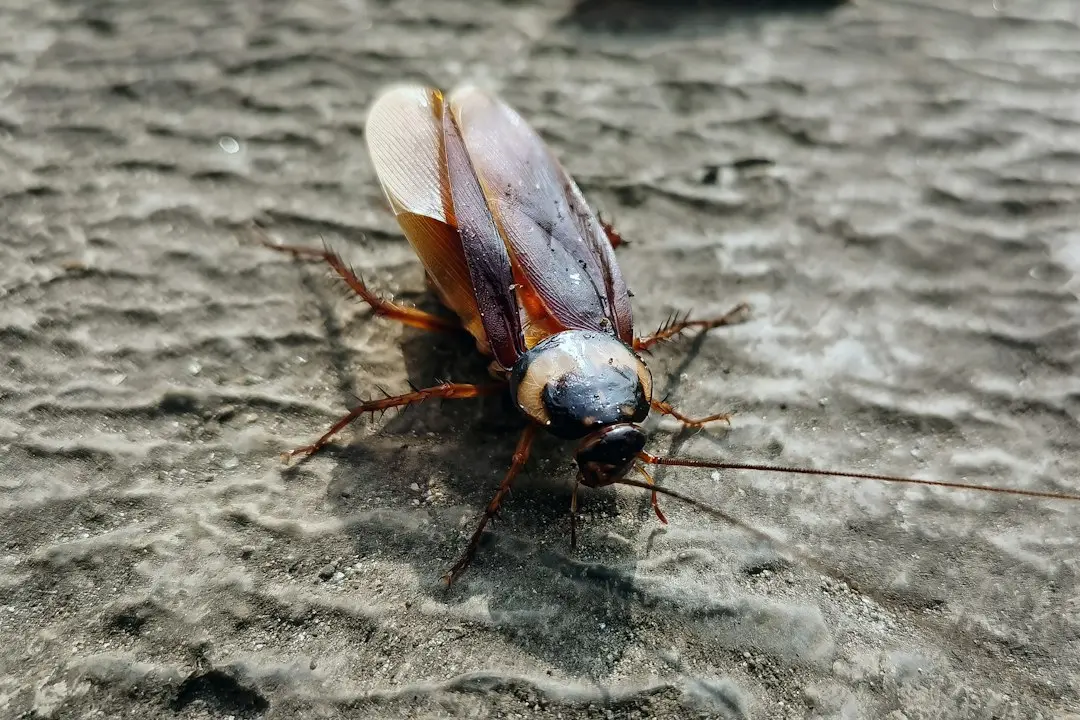
The Cockroach movement, named for its resilience and ability to operate under the radar, emerged in response to proposed amendments to urban housing regulations that activists argue disproportionately affect low-income communities. Protesters have used cockroach imagery in graffiti, social media campaigns, and street performances to symbolize persistence and resistance. Authorities have labeled the group's actions as disruptive, citing incidents of blocked traffic and unauthorized gatherings near government buildings. The three detained leaders—identified only by their pseudonyms to protect their identities—were apprehended during a coordinated sweep in central Delhi after attempting to place symbolic cockroach sculptures near a municipal office recently declared a security-sensitive area.
What Happens Next for the Detained Activists?
Despite the arrests, organizers insist the Cockroach movement lacks a formal hierarchy, making it difficult to dismantle through traditional law enforcement tactics. Participants communicate through encrypted apps and use rotating meeting points to avoid detection. Supporters describe the arrests as an attempt to intimidate rather than stop the movement, noting that similar symbols have appeared in cities from Mumbai to Kolkata since the detentions. Local residents in affected neighborhoods have expressed mixed reactions, with some praising the movement's focus on housing equity and others criticizing its methods as disruptive to daily life.
The five-day judicial custody period will allow police to complete initial investigations before presenting formal charges in court. Legal representatives for the detained individuals have not been made public, but human rights groups have called for transparency in the proceedings and warned against using custodial detention to suppress peaceful dissent. If charged, the activists could face penalties ranging from fines to imprisonment, depending on the severity of the trespassing allegations under Indian law. Court dates have not yet been scheduled, and the movement continues to organize through underground networks despite the crackdown.
What is the Cockroach movement protesting? The movement opposes proposed changes to urban housing policies that activists say would increase evictions and reduce affordable housing options in major Indian cities, using cockroach symbolism to represent resilience and resistance.
Frequently Asked Questions
Why were the three leaders arrested? They were detained for allegedly trespassing into a recently designated restricted zone near a government office in New Delhi while attempting to place symbolic cockroach sculptures as part of a protest action.
Could the movement grow despite these arrests? Yes, supporters argue the decentralized nature of the Cockroach movement makes it resilient to leadership removals, with new symbols and actions continuing to appear in multiple cities following the detentions.