Energy Security Concerns Rise
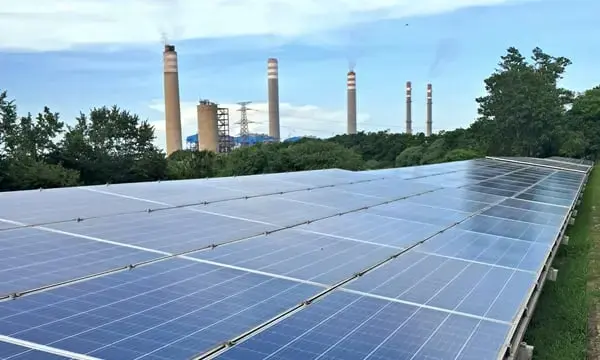
The Association of Southeast Asian Nations (ASEAN) is undergoing a significant energy transition, but the recent Iran conflict has exposed its vulnerability. The region is shifting towards renewable energy, with many countries investing heavily in solar and wind power. This transition is crucial for ASEAN's economic growth.
Latest news
 Swedish Voters Choose New Parliament as Left-Wing Coalition Projects to Win Majority
 Trump Announces End of US Tariff on Irish Whisky
 Frances Stonor Saunders, Author of CIA Cultural Espionage Exposé, Dies at 66
 Israel and Lebanon to Hold Security Talks in Rome This October
The conflict did not derail the transition but highlighted how quickly governments can fall back on fossil fuels when faced with external disruptions. When the Strait of Hormuz was threatened, oil prices surged, and some ASEAN countries turned to coal and other fossil fuels to meet their energy needs. This shift underscores the region's continued reliance on traditional energy sources.
Can ASEAN Meet its Renewable Energy Targets?
ASEAN countries are heavily dependent on energy imports, making them susceptible to price volatility. The region's energy demand is projected to grow significantly in the coming years, driven by economic expansion and population growth. As a result, energy security has become a pressing concern for governments in the region.
The Iran conflict has accelerated efforts to diversify ASEAN's energy mix and reduce dependence on fossil fuels. Some countries are exploring alternative energy sources, such as nuclear power and hydrogen fuel cells. Others are investing in energy storage technologies to improve grid resilience.
Frequently Asked Questions
Despite the challenges posed by the Iran conflict, ASEAN remains committed to its renewable energy targets. The region aims to increase its share of renewable energy in the energy mix to 23% by 2025. However, achieving this goal will require significant investment in renewable energy infrastructure and policy support.
The Iran conflict has highlighted the need for ASEAN to accelerate its energy transition and reduce its reliance on fossil fuels. While the region faces significant challenges, it is well-positioned to capitalize on the opportunities presented by the global shift towards renewable energy. As ASEAN continues to transition towards a low-carbon economy, it is likely to emerge as a leader in the region.