Mediators Await Official Response
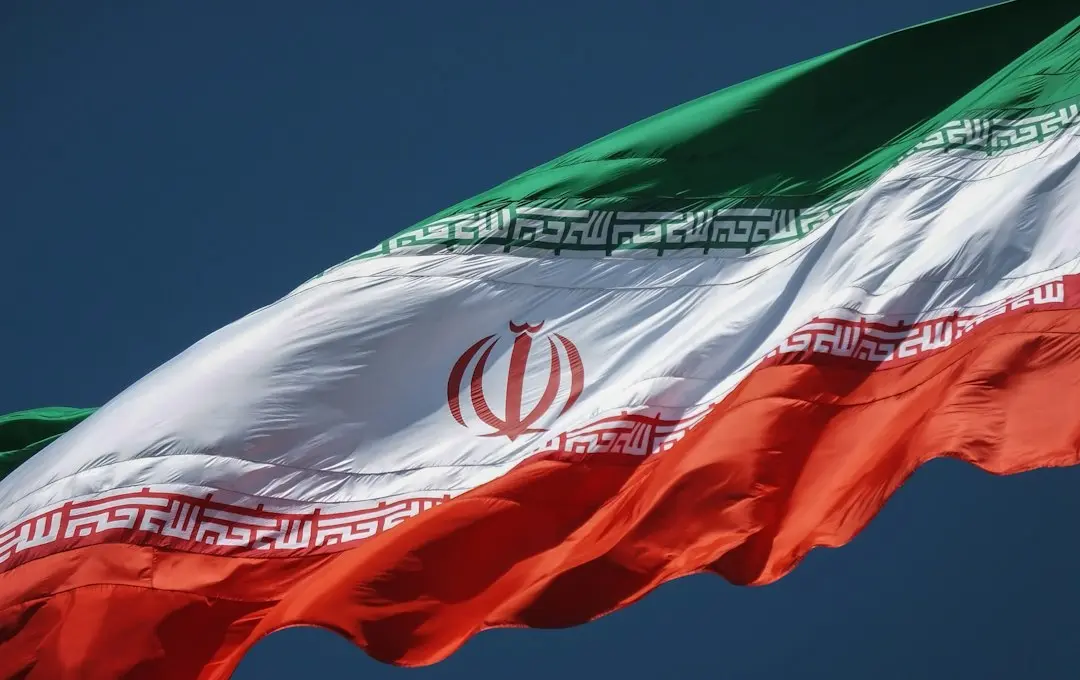
Tehran has formally stated that the ongoing conflict between Iran and the United States remains unresolved. This declaration comes immediately after President Donald Trump rejected a specific proposal from the Iranian government. The core of the dispute centers on the strategic Strait of Hormuz. Both nations continue to clash over control and access to this vital waterway. No formal agreement has been reached to settle the matter.
Latest news
 US denies Iran captured underwater drones in Strait of Hormuz
 Cognac Faces Trade‑War Fallout as Sales Slump
 Home Office Faces Lawsuits After Revoking EU Residents’ Rights
 Australia’s Aging Tech Infrastructure Exposes Government to AI Threats
The disagreement stems from a diplomatic proposal submitted by Tehran. Iran sought to reopen the strait under specific conditions. However, the White House turned down this offer. Consequently, both sides are now waiting for further mediation. The situation highlights a deep divide in their strategic interests. Neither side appears willing to compromise fully at this stage.
Iranian Foreign Minister Abbas Araghchi provided clarity on the current status of negotiations. He confirmed that Tehran is still waiting for an official response. This communication must come through designated mediators. Araghchi emphasized that Iran will not abandon its preconditions. These conditions are essential for the safe reopening of the waterway. The foreign minister noted that patience is key to the process. Tehran believes the right answer is still forthcoming. They refuse to rush into a decision without proper channels.
Will Diplomacy Prevail Over Division?
The role of mediators is currently critical. They serve as the bridge between the two capitals. Without their intervention, direct talks might stall again. Araghchi stressed that the channel remains open. Iran expects a structured reply rather than informal signals. This approach aims to prevent misunderstandings. It ensures that all terms are clearly understood before implementation. The diplomatic track is active but fragile.
The rejection of the initial proposal has left the region in uncertainty. Analysts note that the US remains internally divided on strategy. Meanwhile, Iran maintains a firm stance on its demands. The Strait of Hormuz handles a significant portion of global oil trade. Any prolonged closure or tension affects international markets. Energy prices may fluctuate based on these developments. Shipping companies are monitoring the situation closely. Insurance costs for vessels passing through the area could rise.
The outcome depends heavily on the next diplomatic moves. If mediators fail to deliver a satisfactory response, tensions may escalate. Both governments face domestic pressures to show strength. Yet, they also recognize the economic cost of continued standoff. A resolution requires mutual concessions. Until then, the war is officially not over. The world watches closely for signs of progress.
Frequently Asked Questions
Has Iran accepted the US rejection? No, Iran has not accepted the rejection as final. Foreign Minister Araghchi stated that Tehran is waiting for an official response through mediators. They maintain that their conditions for reopening the strait remain valid.
Who is mediating the talks? Specific mediators are facilitating communication between Tehran and Washington. The exact identities are not detailed in the immediate report, but their role is central to the process. Both sides rely on these third parties to convey messages.
What are the main conditions for reopening? Iran insists on specific preconditions for the Strait of Hormuz to reopen. These conditions were part of the original proposal. The details involve security guarantees and operational protocols agreed upon by both sides.