Allegations of Foreign Involvement in Domestic Unrest
Iranian authorities executed Majid Adineh on Sunday after convicting him of supporting hostile foreign powers during nationwide anti-government demonstrations that erupted in January. The judiciary stated he was found guilty of operational actions benefiting Israel and the United States, specifically alleging he carried a chainsaw during the unrest. His execution took place amid ongoing crackdowns on dissent following months of protests triggered by the death of Mahsa Amini in custody.
Latest news
 Swedish Voters Choose New Parliament as Left-Wing Coalition Projects to Win Majority
 Trump Announces End of US Tariff on Irish Whisky
 Frances Stonor Saunders, Author of CIA Cultural Espionage Exposé, Dies at 66
 Israel and Lebanon to Hold Security Talks in Rome This October
Adineh’s case drew attention due to the unusual nature of the charges, which linked possession of a chainsaw to espionage activities on behalf of adversarial nations. Iranian officials claimed the tool was intended for use in sabotage operations during the protests, though no independent evidence was presented to substantiate these allegations. The judiciary maintained that his actions constituted a direct threat to national security, framing the execution as a necessary measure against foreign-backed subversion.
How Do These Charges Hold Up Under Scrutiny?
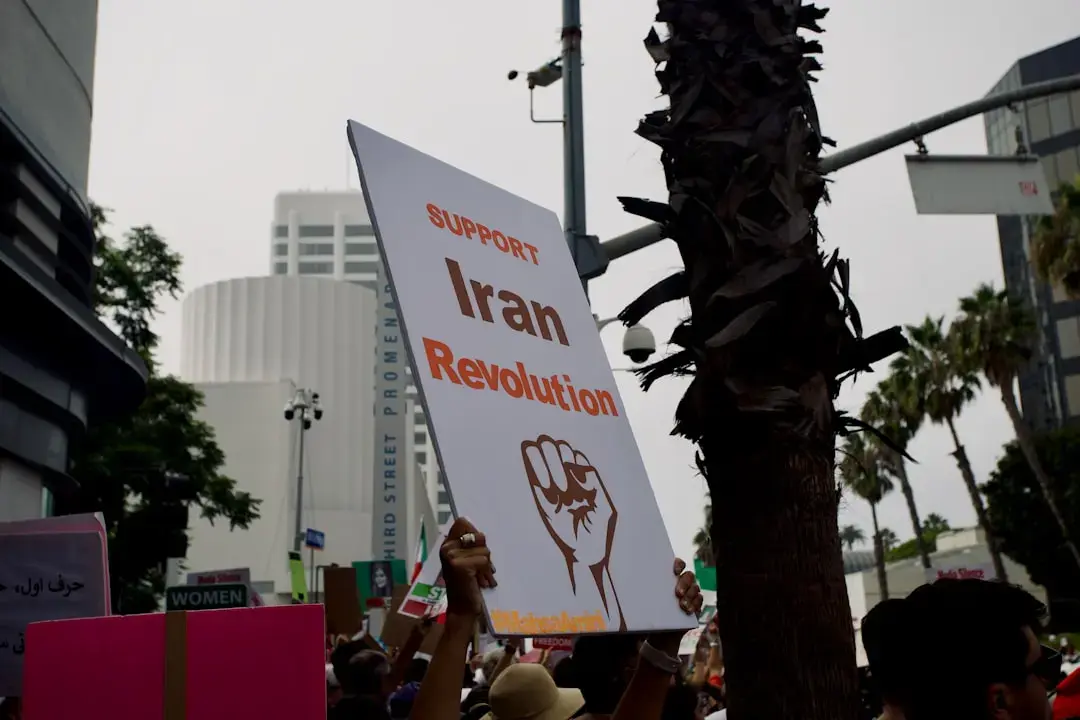
Authorities have repeatedly accused external actors of instigating the January protests, which began as demonstrations against compulsory hijab laws but quickly evolved into broader calls for systemic reform. Despite widespread international concern over human rights abuses during the crackdown, Tehran insists foreign intelligence services played a central role in organizing and funding the unrest. Critics argue such claims are used to justify severe punishments without transparent legal proceedings.
Legal experts and human rights organizations have questioned the validity of linking everyday protest tools to foreign espionage, noting the lack of verifiable proof in Adineh’s case. The conviction relied heavily on confidential intelligence, raising concerns about due process in Iran’s revolutionary courts. Meanwhile, families of the detained continue to appeal for clarity, fearing similar fates for others accused of similar offenses.
Frequently Asked Questions
What specific actions led to Majid Adineh’s execution? He was convicted of carrying a chainsaw during January protests and accused of acting as an agent for Israel and the United States, with courts claiming the act constituted operational support for hostile groups.
Why does Iran accuse foreign powers of involvement in domestic protests? Officials regularly assert that external enemies exploit internal dissent to destabilize the state, using such narratives to legitimize harsh responses to demonstrations without addressing underlying public grievances.