Parliamentary Stance on Maritime Blockade
Tehran’s parliament speaker Mohammad Bagher Ghalibaf announced on Sunday that the crucial Strait of Hormuz will stay shut. Iranian officials stated the waterway remains closed because Washington failed to honour an agreement made last June and ignored Tehran's core demands.
Latest news
 Meloni Announces Veil Ban in Schools and Caps on Foreign Students
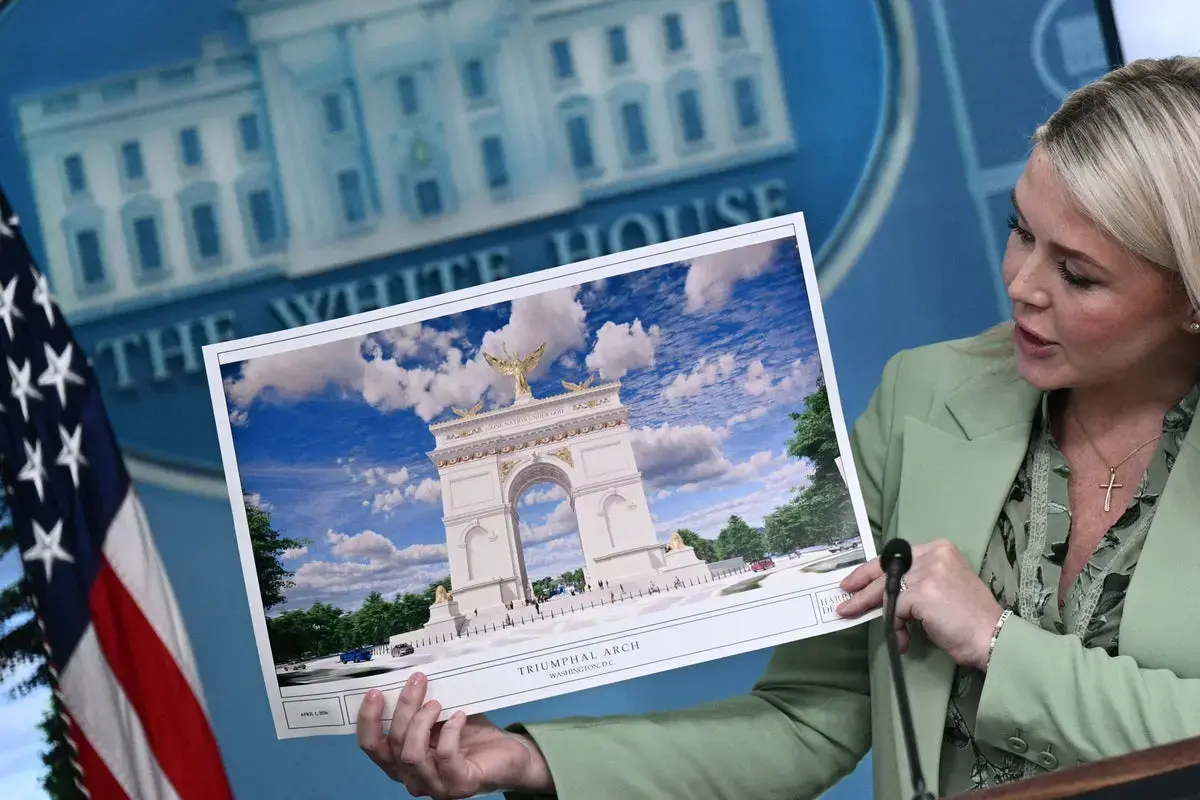 Trump Announces 250‑Foot Arch to Become Drone and Sniper Facility
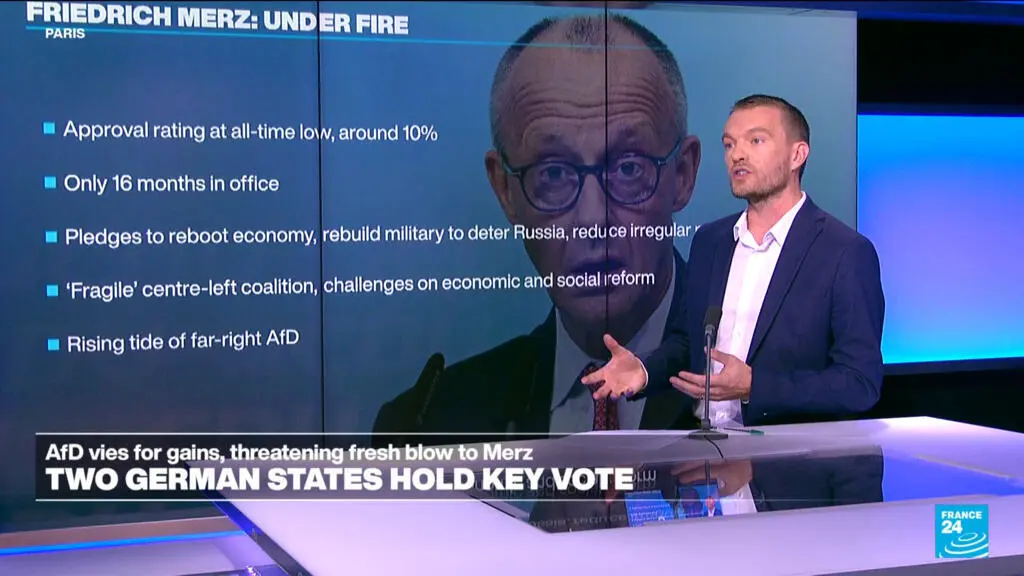 German Regional Elections Pose Fresh Challenge for Opposition Leader Friedrich Merz
 Trump Reveals Dual Purpose for Planned Triumphal Arch
Ghalibaf delivered the strict message during a parliamentary session. He emphasized that the government has clearly communicated its position to international parties regarding the maritime blockade.
The speaker maintained that Iran holds a firm position on regional security and diplomatic commitments. Tehran insists that the United States must fully implement previous terms before any discussions about reopening the vital oil route can begin.
Will the Strategic Waterway Remain Shut?
The Islamic Republic views the ongoing closure as a direct response to broken promises. Lawmakers support the measure as a necessary tool to pressure foreign actors into respecting international understandings.
The critical transit route will stay blocked until American authorities demonstrate genuine compliance with the disputed June accord. Iranian leadership shows no sign of backing down from these prerequisites for regional maritime traffic.
Frequently Asked Questions
The prolonged standoff threatens global energy shipments moving through the vital Gulf channel. Shipping companies must continue navigating around the restrictions while diplomatic channels remain deadlocked over the unfulfilled terms.
Q: Who announced the continuation of the strait closure? A: Iranian parliament speaker Mohammad Bagher Ghalibaf made the announcement during a session in Tehran on Sunday.
Q: When will the Strait of Hormuz reopen? A: The waterway will remain closed until the United States fully complies with the terms of the previous agreement.