The Burden of Diplomatic Choice
Iranian President Masoud Pezeshkian stated on Thursday that the United States holds the ultimate power to determine when the ongoing regional hostilities will conclude. Speaking during a televised interview on Fox News, the leader emphasized that the decision to stop the cycle of violence rests entirely with American policymakers rather than Tehran.
Latest news
 French Catholic Influencers Bring Digital Faith to Physical Gatherings
 Africa's Richest Man Backs $660m Fuel Pipeline for Ethiopia and Djibouti
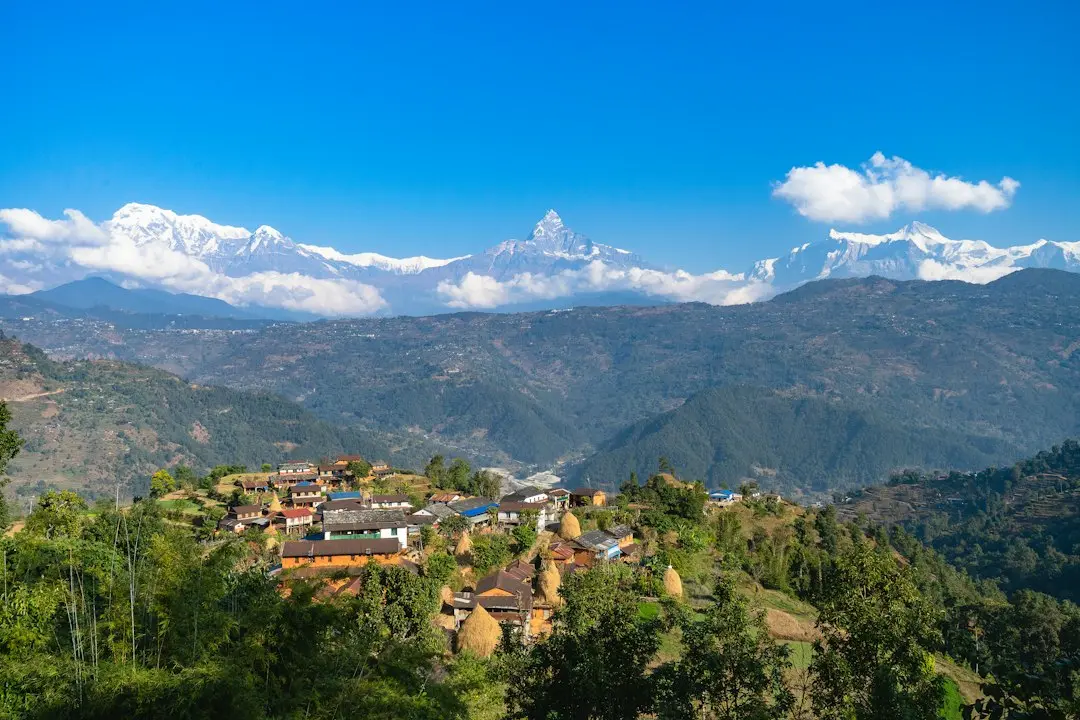 Nepal Leader Calls Recent Floods a Global Climate Warning
 International Allies Bolster Saudi Defenses Amid Escalating Houthi Strikes
The comments emerged during a discussion regarding potential timelines for de-escalation. When asked if the conflict could realistically reach a resolution by the end of the year, Pezeshkian avoided providing a specific forecast. Instead, he placed the burden of diplomacy directly on the shoulders of the U. S. government.
Pezeshkian’s remarks highlight a persistent standoff between the two nations regarding regional influence and security. By framing the end of the war as an American choice, the Iranian president suggests that his administration views current hostilities as a byproduct of U. S. policy decisions. This narrative shifts the focus away from Tehran’s own military activities and regional alliances.
Can Dialogue Bridge the Deep Divide?
The interview reflects a broader strategy used by Iranian leadership to challenge Western perceptions of the conflict. By asserting that Washington controls the on-off switchfor the war, Pezeshkian aims to pressure the White House to alter its current geopolitical stance.
The international community remains skeptical about whether such rhetoric signals a genuine desire for peace or a tactical maneuver. Diplomatic channels between Tehran and Washington have remained largely frozen for years, complicated by sanctions and regional proxy battles. Without direct, high-level negotiations, the prospect of a swift end to the fighting appears increasingly remote.
Frequently Asked Questions
Ultimately, the lack of a concrete timeline suggests that the current state of tension is unlikely to dissipate soon. Both nations remain entrenched in their respective positions, leaving the region in a precarious state of uncertainty. The world continues to watch for any sign of a shift in rhetoric that might lead to meaningful de-escalation.
What is the Iranian president’s stance on ending the war? President Pezeshkian maintains that the responsibility for ending the conflict lies solely with the United States. He argues that Washington must decide whether it truly wants to pursue an end to the hostilities.
Did the president provide a date for peace? No, he did not offer a specific timeline for when the conflict might conclude. He avoided setting a deadline, choosing instead to emphasize the role of American policy in the ongoing situation.