Why Timing Matters for the Nuclear Deal
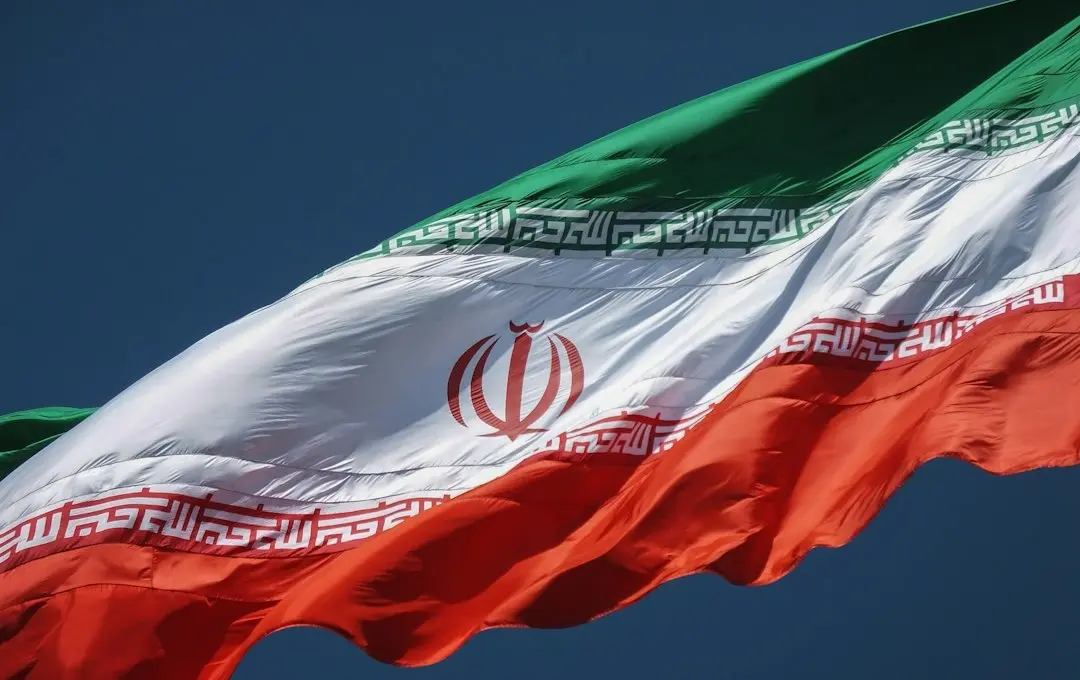
Iranian President Masoud Pezeshkian has called on the United States to rejoin the 2015 nuclear agreement, known as the Joint Comprehensive Plan of Action, before the upcoming US midterm elections. Speaking in Tehran, Pezeshkian emphasized that restoring the deal would ease regional tensions and create space for diplomatic engagement. He framed the move as urgent, linking it to the political calendar in Washington and the need for stability ahead of the November vote. The appeal comes amid ongoing indirect talks between the two countries, mediated by European officials, which have stalled over sanctions relief and nuclear verification steps.
Latest news
 French Catholic Influencers Bring Digital Faith to Physical Gatherings
 Africa's Richest Man Backs $660m Fuel Pipeline for Ethiopia and Djibouti
 Nepal Leader Calls Recent Floods a Global Climate Warning
 International Allies Bolster Saudi Defenses Amid Escalating Houthi Strikes
Qatar Denies Israeli Accusations of Influence Campaign at UN Qatar has firmly rejected allegations made by Israeli Prime Minister Benjamin Netanyahu during his address to the United Nations General Assembly that Doha is conducting a covert campaign to sway global public opinion against Israel. Qatari officials described the claims as baseless and politically motivated, reiterating their commitment to peaceful diplomacy and humanitarian support for Palestinians. They stressed that Qatar’s engagement with various regional actors aims to prevent escalation, not to undermine any state. The denial follows heightened rhetoric at the UN assembly, where Israel’s leadership criticized several nations for what it described as biased resolutions and narratives.
Can Qatar Mediate Between Israel and Iran?
Pezeshkian’s push for a renewed agreement before the US midterms reflects Tehran’s concern that a potential shift in congressional power could complicate future negotiations. Analysts note that the current Biden administration remains open to diplomacy, but faces domestic pressure over Iran’s regional activities and uranium enrichment levels. A revived deal would require mutual steps: Iran limiting its nuclear program in exchange for lifting sanctions that have crippled its economy. The president argued that acting now could prevent a diplomatic vacuum after the elections, regardless of which party gains control of Congress.
Despite regional tensions, Qatar has positioned itself as a backchannel communicator between adversaries, including indirect talks involving Iran and Western powers. Doha’s foreign ministry maintains that its role is facilitative, not partisan, and that it engages with all sides to reduce miscalculation risks. When asked whether Qatar could help bridge gaps between Israel and Iran, officials said they remain ready to support dialogue if both parties express willingness. However, they acknowledged that deep mistrust and conflicting security demands make any breakthrough difficult without broader regional consensus.
What is the MoU that Iran wants the US to rejoin? The MoU refers to the 2015 Joint Comprehensive Plan of Action, an international agreement that limited Iran’s nuclear program in exchange for relief from economic sanctions. The US withdrew from the deal in 2018 under the Trump administration, prompting Iran to gradually scale back its compliance.
Frequently Asked Questions
Why does Iran want the deal restored before the US midterms? Iranian leaders believe that acting before the November elections increases the chance of securing an agreement while the current administration is still in office and politically able to negotiate, avoiding potential delays or reversals from a future Congress.
What was Netanyahu’s claim about Qatar at the UN? Israeli Prime Minister Benjamin Netanyahu accused Qatar of running a campaign to influence global public opinion against Israel during his speech at the United Nations General Assembly, alleging coordinated efforts through media and diplomatic channels.