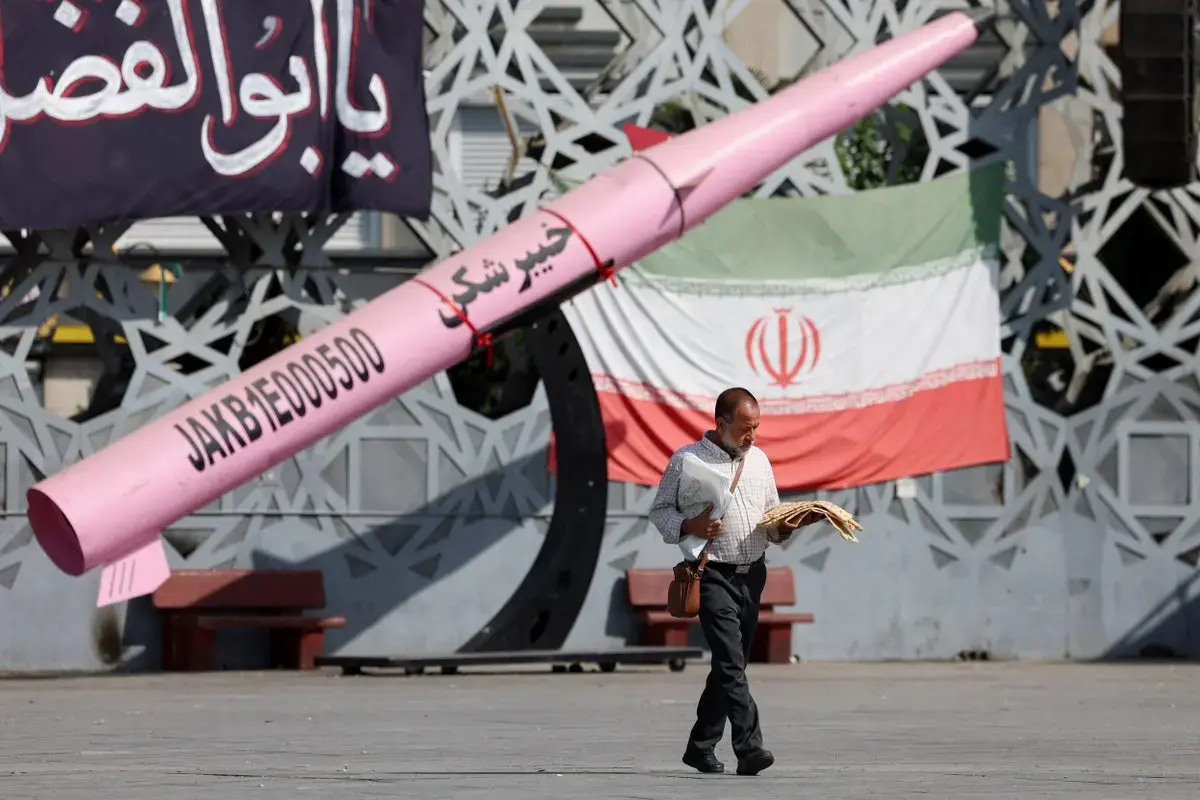
What Does the Ban Mean for IRGC Members?
The UK government has officially banned Iran's Revolutionary Guard Corps (IRGC) due to concerns over the group's activities on British soil. This decision was made by Keir Starmer, the UK's Prime Minister, who cited threats to life and intimidationas the reasons for the ban.
Latest news
 Swedish Voters Choose New Parliament as Left-Wing Coalition Projects to Win Majority
 Trump Announces End of US Tariff on Irish Whisky
 Frances Stonor Saunders, Author of CIA Cultural Espionage Exposé, Dies at 66
 Israel and Lebanon to Hold Security Talks in Rome This October
The IRGC's activities in the UK have been a subject of concern for some time. The group's presence has been linked to several incidents, including harassment and intimidation of Iranian dissidents. The ban is aimed at preventing the IRGC from engaging in any further activities that could pose a threat to national security.
Is the Ban a Response to Iran's Nuclear Program?
The ban means that IRGC members will be prohibited from entering the UK, and any assets they hold in the country will be frozen. The UK government has also announced plans to strengthen its laws to prevent the IRGC from operating on British soil. According to sources, the IRGC has been involved in a range of activities, including money laundering and terrorism financing.
Frequently Asked Questions
The ban is not directly related to Iran's nuclear program, but it is part of a broader effort to counter the IRGC's activities in the region. The UK government has been critical of Iran's nuclear ambitions and has called for greater transparency and cooperation from the Iranian government.
The ban is likely to have significant consequences for the IRGC and its members. It will also increase tensions between the UK and Iran, which could have broader implications for regional security.