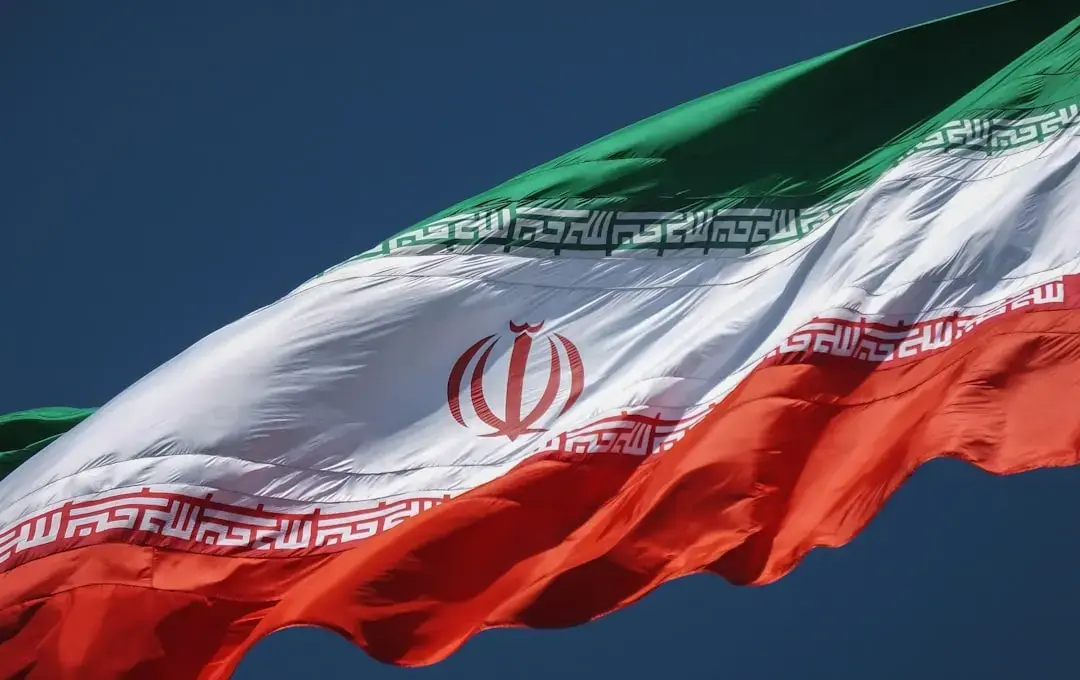
Strengthening Historical Bonds
Iran's chief negotiator and parliament speaker emphasized the enduring relationship between Iran and Iraq during discussions in Baghdad. This statement came as both nations engaged in talks aimed at strengthening their historical ties.
Latest news
 Swedish Voters Choose New Parliament as Left-Wing Coalition Projects to Win Majority
 Trump Announces End of US Tariff on Irish Whisky
 Frances Stonor Saunders, Author of CIA Cultural Espionage Exposé, Dies at 66
 Israel and Lebanon to Hold Security Talks in Rome This October
The negotiator highlighted that the bond between Iran and Iraq is deeply rooted in shared history and mutual support during challenging times. He described their relationship as one of brotherhood, which has been tested yet remains intact. This sentiment underscores the significance of cooperation between the two neighboring countries, especially in the context of regional stability and security.
In recent meetings, officials from both nations exchanged views on various issues, including economic collaboration and security. The negotiator reiterated that the relationship is not merely political but also cultural and social. He noted that the two countries have faced common challenges, which have only served to strengthen their ties.
What Does This Mean for Regional Stability?
Iran has historically played a significant role in Iraq's political landscape, especially following the fall of Saddam Hussein. The two countries share a long border and have significant cultural and religious connections, which further solidify their partnership. The negotiator's remarks reflect a commitment to maintaining and enhancing this relationship in the face of external pressures.
The reaffirmation of strong ties between Iran and Iraq raises questions about the broader implications for the Middle East. As both nations navigate complex geopolitical dynamics, their cooperation may influence regional alliances and conflicts. The negotiator's comments suggest that Iran seeks to position itself as a stabilizing force in Iraq, which could impact U. S. interests and the influence of other regional powers.
Looking ahead, the ongoing collaboration between Tehran and Baghdad could lead to increased economic cooperation and joint security initiatives. This partnership may also serve as a counterbalance to external influences, reinforcing their historical bond.
Frequently Asked Questions
What are the key factors behind Iran and Iraq's relationship? Their relationship is based on historical ties, cultural connections, and mutual support during crises. Both countries share similar interests in maintaining regional stability.
How might this relationship affect regional politics? The strong ties between Iran and Iraq could shift the balance of power in the Middle East. Increased cooperation may challenge the influence of the U. S. and other regional players.
What future developments can we expect? As both nations continue to strengthen their partnership, we may see enhanced economic and security collaborations. This could lead to a more unified approach to regional challenges.