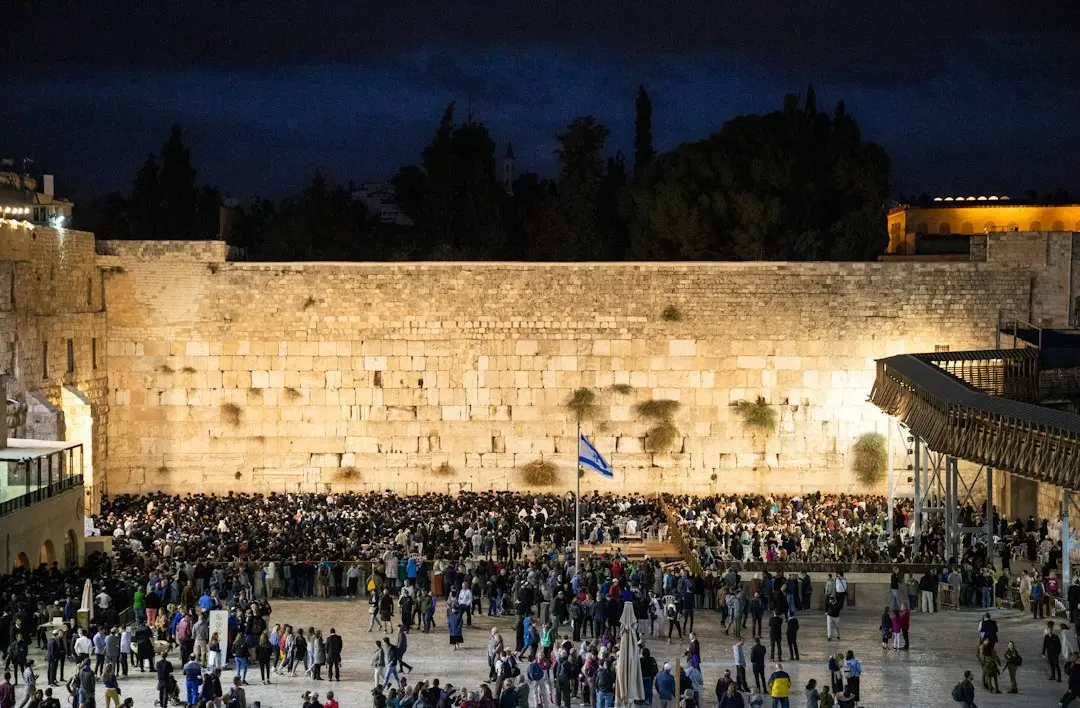
The Normalization of Militant Rhetoric
As Israel prepares for upcoming elections, the national political landscape shows no sign of shifting toward moderation. Instead, the country is experiencing a profound entrenchment of aggressive nationalism. This trend follows the intense military conflict in Gaza, which began in October 2023 and continues to define the domestic electoral agenda today.
Latest news
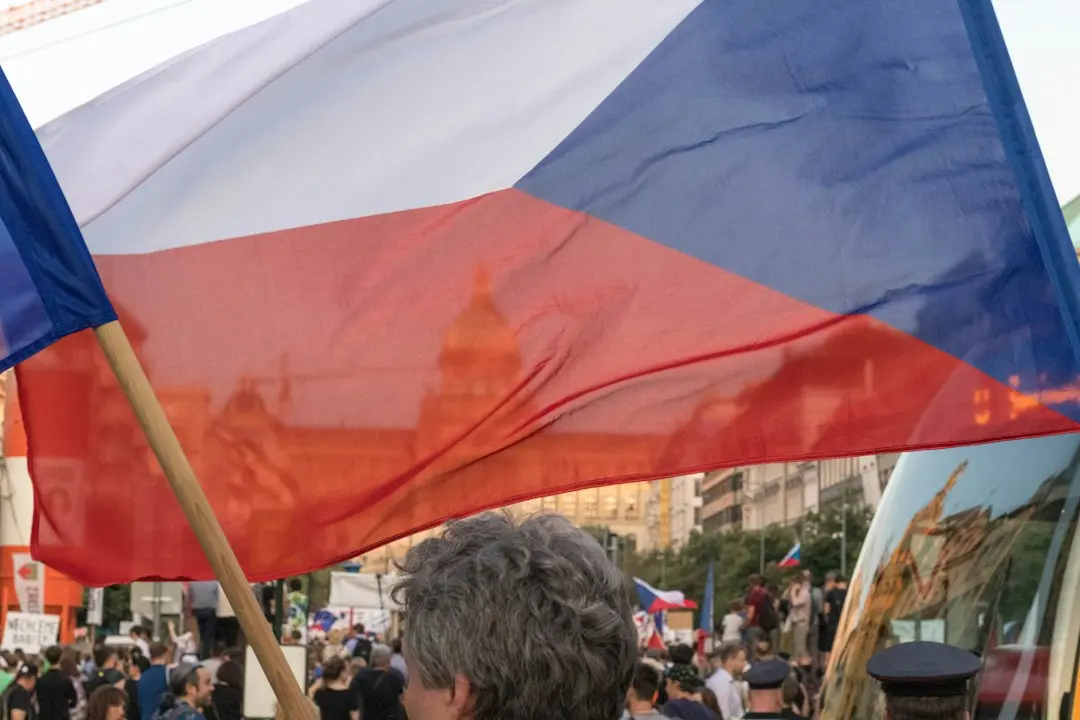 Czech Prime Minister Faces Senate Setback
 Tehran Insists Nuclear Program Remains Secure Against Foreign Strikes
 Iran Demands Legal Action Over Deadliest School Strike
 Global Leaders Condemn Alleged Houthi Attack on Riyadh Airport
The current political climate suggests that voters are moving further to the right rather than seeking a change in leadership. Public discourse is heavily influenced by the ongoing war, creating an environment where hawkish policies are seen as the standard. Analysts note that the trauma of the conflict has solidified support for security-focused platforms, often at the expense of diplomatic alternatives or internal reform.
The war in Gaza has fundamentally altered the expectations of the Israeli electorate. Political campaigns are increasingly defined by their stance on military force and security operations. There is little room for dissent or calls for de-escalation within the mainstream political parties. This shift reflects a broader societal consensus that prioritizes strength and territorial defense above all other concerns.
Is Peace Still a Viable Political Goal?
Observers argue that this hardening of political views is not merely a temporary reaction to the violence. It represents a long-term transition in how Israeli citizens view their state’s role in the region. By framing the conflict as an existential struggle, political leaders have successfully aligned their platforms with a surge in patriotic fervor. This strategy leaves little space for moderate voices to gain traction in the polls.
The absence of a robust opposition movement raises serious questions about the future of Israeli governance. If the electorate continues to favor candidates who champion uncompromising military strategies, the prospects for regional stability remain dim. The current trajectory suggests that the upcoming election will serve as a referendum on the war itself. It will likely confirm a mandate for continued military action rather than a pivot toward negotiation.
Frequently Asked Questions
Ultimately, the political hardening will likely complicate any future attempts at international diplomacy. As the country moves further away from the center, the domestic pressure to maintain a confrontational posture will only intensify. This cycle of nationalism ensures that the war’s influence will extend far beyond the battlefield, dictating the nation’s political identity for years to come.
What is driving the current political shift in Israel? The shift is primarily driven by the ongoing war in Gaza, which has fostered a climate of intense nationalism and a focus on security.
Will the upcoming elections lead to a change in government policy? Current trends suggest the election will reinforce existing hardline policies rather than lead to a significant change in direction.