Strategic Balancing Act in Northeast Asia
Tokyo is currently navigating a complex strategic dilemma regarding its reliance on Russian energy resources. The capital must balance immediate security needs against long-term diplomatic goals. This decision involves potential cuts to liquefied natural gas imports from the region. The move aims to strengthen domestic energy independence while managing geopolitical risks.
Latest news
 Anthropic Announces $31 Billion Data Centre Deal in Western Queensland
 Veteran Journalist Hugh Riminton Announces Retirement After Nearly Five Decades
 How the 1980s Permanently Shaped America
 Victorian Police Gain Random Stop-and-Search Powers Under New Jacks Law
The primary concern for Japanese policymakers extends beyond simple energy security. There is a strong desire to avoid further antagonizing Moscow. Cutting off purchases of liquefied natural gas could strain bilateral relations. Tokyo seeks to maintain a delicate balance between economic necessity and diplomatic caution. The government weighs the benefits of diversification against the costs of friction.
Can Tokyo Reduce Dependence Without Friction?
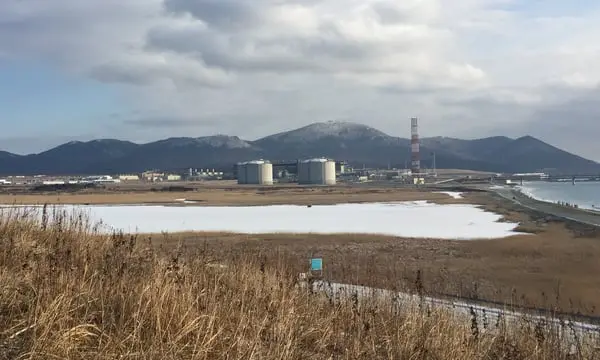
The Prigorodnoye Production Complex plays a central role in this debate. It is part of the Sakhalin-II LNG Project. Located in the Korsakov City District, this facility represents a significant infrastructure asset. Japan has historically depended on such facilities for stable fuel supply. However, shifting away from these sources requires careful planning. Officials are analyzing how reduced volumes might affect regional stability. They also consider how Moscow might react to decreased trade flows. The goal is to minimize disruption while signaling a shift in policy.
Reducing reliance on Russian fuel is not merely an economic adjustment. It carries significant diplomatic weight. Tokyo wants to signal strength without provoking a hostile response. The current approach focuses on gradual transitions rather than abrupt breaks. This method allows Japan to test market reactions. It also provides time to secure alternative suppliers. Analysts suggest that a slow decoupling minimizes shock to both economies. The strategy prioritizes stability over speed.
Japan’s energy landscape is evolving rapidly. The nation continues to seek diverse supply chains. This includes exploring partnerships in other regions. The outcome will shape future trade agreements. It will also influence broader Asian energy markets. As the world shifts toward cleaner fuels, Japan’s path remains critical. The coming months will reveal if Tokyo can achieve its dual objectives. Success depends on precise execution and clear communication.
Frequently Asked Questions
Why does Japan hesitate to cut Russian LNG? Tokyo fears that sudden reductions could anger Moscow. This reaction might complicate other diplomatic or economic interactions. Maintaining good terms remains a priority for the government.
Where is the Sakhalin-II project located? The project operates in the Korsakov City District. Specifically, the Prigorodnoye Production Complex serves as a key hub. It has been a major supplier to Japanese utilities for years.