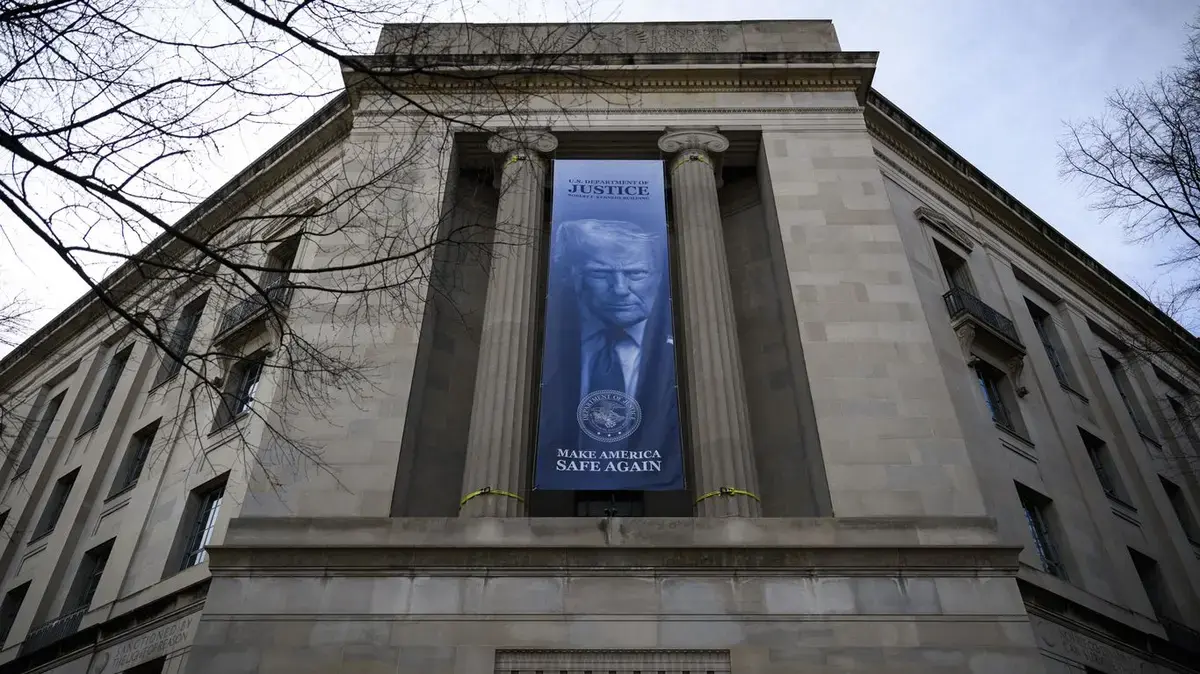
A Thirty‑Year‑Old Legal Tool Revived
The Justice Department on Monday asked a federal district court that has never before handled such a case to order the removal of an unnamed noncitizen. The request invokes a little‑used statutory provision that has existed for three decades but never been applied to a deportation proceeding.
Latest news
 Swedish Voters Choose New Parliament as Left-Wing Coalition Projects to Win Majority
 Trump Announces End of US Tariff on Irish Whisky
 Frances Stonor Saunders, Author of CIA Cultural Espionage Exposé, Dies at 66
 Israel and Lebanon to Hold Security Talks in Rome This October
Department officials say the move targets an individual alleged to have ties to extremist activity, though they declined to disclose the evidence. The legal mechanism allows the government to seek removal without revealing the underlying intelligence, a feature that prosecutors argue is essential for national‑security cases. Critics warn the secrecy could undermine due process and set a precedent for broader use.
The provision at issue dates back to the Immigration and Nationality Act of 1990, which created a „noncitizen removal” process rarely invoked by the Justice Department. In past decades, the statute was used only in a handful of cases involving foreign fighters captured abroad. „We are re‑examining every tool available to protect the American people,” said a senior DOJ official, who requested anonymity. The court selected for the filing is located in a district that has historically seen few immigration cases, making the request even more unusual. Legal scholars note that the statute’s secrecy clause was designed for covert operations, yet its application to a domestic removal case could stretch its original intent.
Will This New Mechanism Expand President Trump’s Deportation Options?
If the court grants the petition, the administration could gain a powerful, discreet method to deport individuals linked to terrorism without public trials. President Trump has repeatedly called for tougher immigration enforcement, and his advisers have expressed interest in leveraging any legal avenue that expedites removals. The White House has not commented directly on the filing, but a senior aide hinted that the administration „welcomes any lawful means to keep dangerous actors out of the country.” Opponents argue that the approach bypasses traditional judicial safeguards and may be used against broader categories of migrants. The outcome of this case could therefore shape how aggressively the executive branch pursues its immigration agenda.
The decision will likely reverberate through immigration courts and national‑security circles alike. A favorable ruling could legitimize secret evidence in removal hearings, prompting other agencies to adopt similar tactics. Conversely, a denial might force the government to rely on more transparent, and often slower, processes. Observers expect the court to issue a ruling within weeks, after which the Department will either proceed with the deportation or return to conventional litigation.
Frequently Asked Questions
What is the legal provision the Justice Department is using? It is a 30‑year‑old clause of the Immigration and Nationality Act that permits removal of noncitizens based on classified evidence, rarely employed in domestic cases.
Why has this provision never been used before? Historically, the statute was intended for covert operations abroad, and its secrecy requirements made it unsuitable for standard immigration proceedings.
Could this case affect other immigration lawsuits? Yes, a precedent could allow the government to invoke secret evidence in future removal actions, potentially reshaping the balance between security and due process.