Strategic Shift in Institutional Governance
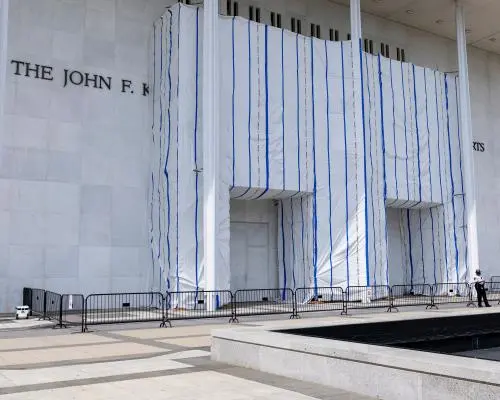
The board of directors for the Kennedy Center, appointed by President Donald Trump, is scheduled to vote on Tuesday regarding the closure of the institution’s primary building. This decision aims to facilitate major renovation work. The move follows a quiet internal shift where the board previously delayed a separate vote intended to restore Trump’s name to the facility’s exterior facade.
Latest news
 Anthropic Announces $31 Billion Data Centre Deal in Western Queensland
 Veteran Journalist Hugh Riminton Announces Retirement After Nearly Five Decades
 How the 1980s Permanently Shaped America
 Victorian Police Gain Random Stop-and-Search Powers Under New Jacks Law
Government attorneys filed a formal notice with the U. S. District Court for the District of Columbia on Monday. In this document, they revealed that Joseph LaFauci, who serves as the center’s vice chairman, played a key role in these recent administrative maneuvers. The filing provides legal clarity on the timeline and authority behind the upcoming closure.
The decision to close the building for renovations represents a significant operational pause for one of Washington’s most iconic cultural landmarks. By prioritizing physical upgrades over symbolic changes, the board signals a focus on infrastructure. The quiet shelving of the vote to rename the facade suggests a strategic calculation. Leadership may believe that structural improvements carry more weight than branding adjustments during the current political climate. This approach allows the institution to address aging facilities while navigating complex stakeholder expectations.
Will the Name Change Return Later?
Legal filings indicate that the process has been carefully managed to withstand potential challenges. The involvement of government lawyers highlights the intersection of federal oversight and institutional autonomy. The board members, selected under the current administration, are balancing their mandate to modernize the center with the public’s attachment to its historical identity. The closure will likely disrupt performances and tours, requiring detailed communication with artists and patrons.
The postponed vote to restore Donald Trump’s name to the facade remains a point of interest for observers. While the renovation vote takes precedence now, the naming issue has not been abandoned entirely. It was merely delayed to allow time for the physical transformation of the space. Critics argue that renaming should occur before or during construction to maximize visibility. Supporters counter that the building’s structure must be sound before symbolic gestures hold meaning. The board’s silence on a new timeline for the naming vote creates uncertainty. However, the legal disclosure confirms that the agenda item still exists, waiting for a future session.
The closure period will test the center’s ability to maintain relevance without its main stage. Alternative venues may need to host events, potentially altering the artistic calendar. Financial implications include halted ticket sales for the main hall and increased costs for temporary setups. As the renovation proceeds, the institution faces a dual challenge: delivering high-quality physical upgrades while managing the narrative around its leadership and identity. The outcome of Tuesday’s vote sets the stage for months of construction activity. Stakeholders will watch closely to see if the name change resurfaces once the scaffolding comes down.
Frequently Asked Questions
When will the Kennedy Center main building close? The board votes on Tuesday to approve the closure. The specific start date for renovations depends on the final vote outcome and subsequent logistical planning.
Why was the vote to rename the facade delayed? The board quietly shelved the vote to prioritize the renovation process. This allowed them to focus on structural upgrades before addressing symbolic branding changes.
Who filed the legal notice about the closure? Government lawyers filed the notice in the D. C. District Court. They disclosed the actions of Joseph LaFauci, the center’s vice chairman, regarding the scheduling of these votes.