Tax Reform Without Loopholes
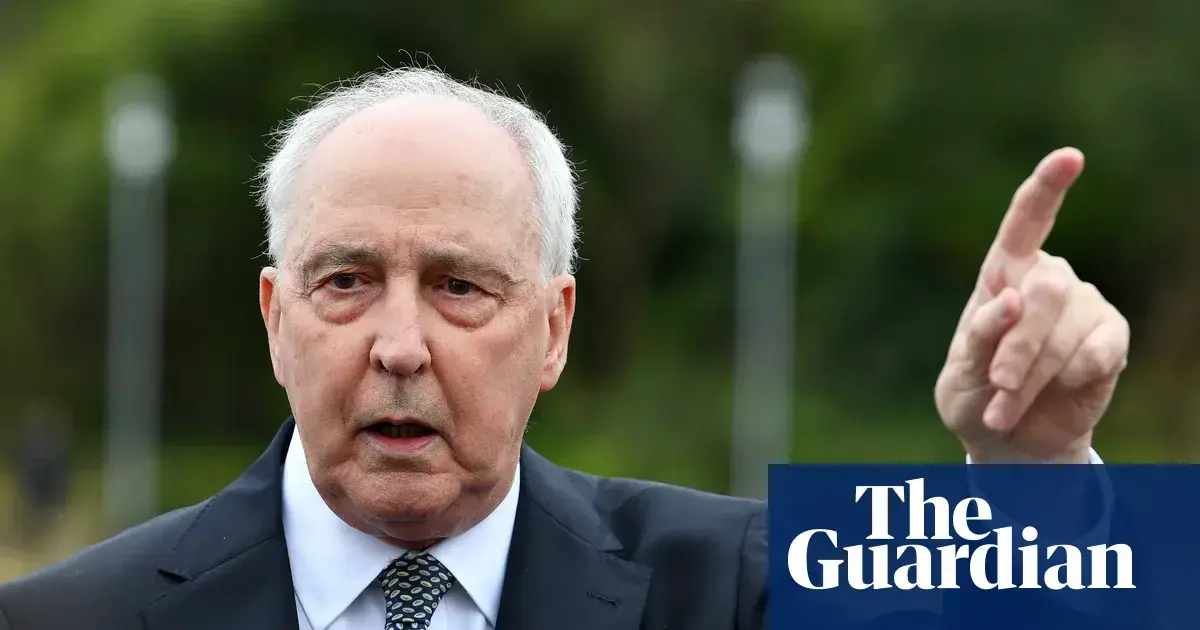
Australia's former Prime Minister Paul Keating is advising the Labor party to stick with its capital gains tax overhaul and avoid introducing exemptions. The changes aim to correct the taxation balance between capital and labour. Keating's comments come as the party considers the reform.
Latest news
 Swedish Voters Choose New Parliament as Left-Wing Coalition Projects to Win Majority
 Trump Announces End of US Tariff on Irish Whisky
 Frances Stonor Saunders, Author of CIA Cultural Espionage Exposé, Dies at 66
 Israel and Lebanon to Hold Security Talks in Rome This October
Keating believes the overriding objective should be to maintain the balance between taxing capital and labour. He thinks the proposed changes to tax rates are minor and won't deter entrepreneurial initiatives. Introducing exemptions, however, could undermine the reform's effectiveness.
Will Exemptions Undermine the Reform?
Keating warns that carving out exemptions would hurt the economy. The former PM is concerned that such moves would create loopholes, benefiting specific groups at the expense of the broader economy. He argues that a straightforward approach is essential to achieving the reform's goals.
The success of the capital gains tax overhaul depends on the Labor party's ability to resist pressure to introduce exemptions. If they can maintain a simple and balanced approach, the reform is likely to achieve its objectives.
What is the main objective of the capital gains tax overhaul? The main objective is to correct the taxation balance between capital and labour. This aims to create a more equitable tax system.
Frequently Asked Questions
Why is Paul Keating opposed to exemptions? Keating believes exemptions would create loopholes and undermine the reform's effectiveness. This could hurt the economy and benefit specific groups at the expense of others.
What are the potential consequences of introducing exemptions? Introducing exemptions could lead to a complex tax system, benefiting some groups while hurting the broader economy.