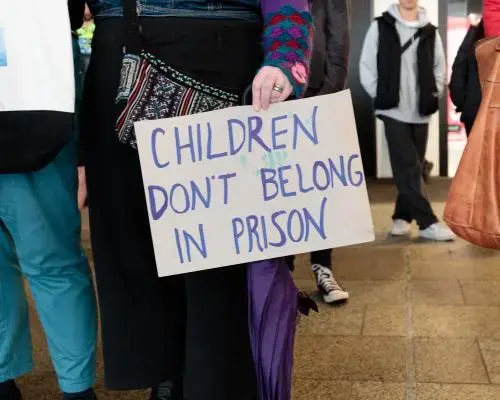
Media Narratives and Legal Disparity
Liberal and Green senators are calling for a national increase in the age of criminal responsibility. This push follows a federal inquiry into youth justice systems released this past Friday. The committee report highlights how inconsistent legal standards across different states and territories are failing to protect vulnerable children effectively.
Latest news
 UN Report Accuses US and Iran of Serious Human Rights Violations
 Canada Eyes EU Associate Membership Under Prime Minister Mark Carney
 Fiji Declares National Emergency Over Rapid HIV Surge
 Israeli Forces Detain Palestinian Journalist in Ramallah Raid
The inquiry revealed that sensationalized media coverage regarding youth crime rates has negatively influenced public policy. These inaccurate reports have created a distorted perception of a crime wave. Consequently, this pressure has led to inconsistent and often harsh treatment of young offenders across various jurisdictions, undermining the fairness of the legal system.
The Senate committee’s findings emphasize that public panic, fueled by media portrayals, has hindered evidence-based policy. By focusing on fear rather than rehabilitation, many regions have maintained lower ages of criminal responsibility. This approach ignores the complex developmental realities of children who come into contact with the law.
Could Policy Reform End the Cycle of Incarceration?
Lawmakers argue that the current fragmented system prevents a cohesive national strategy. They suggest that raising the age would standardize justice across borders. This shift aims to move away from punitive measures and toward support systems that address the root causes of youth offending.
The committee’s report makes four primary recommendations to address these systemic failures. These suggestions focus on aligning state laws with international human rights standards. By prioritizing rehabilitation over detention, proponents believe the government can reduce recidivism rates and improve long-term outcomes for troubled youth.
Frequently Asked Questions
The path forward remains uncertain as the government weighs these recommendations. Advocates hope that legislative change will replace reactive, media-driven policies with a more compassionate framework. If successful, this reform would mark a significant turning point in how the nation treats its youngest citizens within the judicial process.
Why is the age of criminal responsibility being challenged? The current system is seen as inconsistent and overly punitive. Experts argue that raising the age prevents children from entering the criminal justice system prematurely.
How has media coverage affected youth justice? Inaccurate reporting about a supposed explosion in crime has pressured policymakers. This has led to inconsistent legal treatments that prioritize public perception over developmental science.