How the Alleged Scheme Supposedly Operates
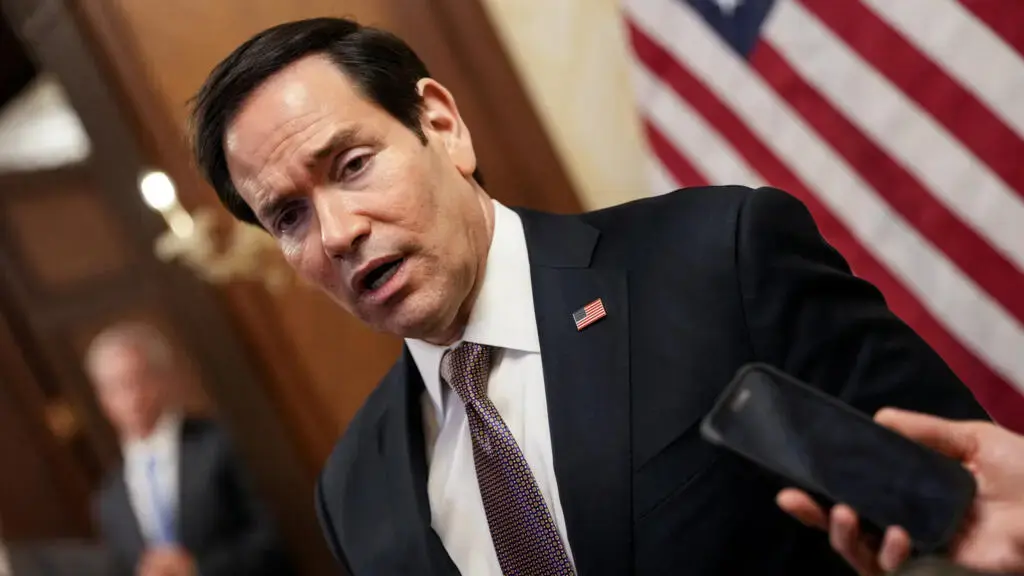
The New York Times has published a report alleging that Senator Marco Rubio may be directing covert U. S. actions in Venezuela. The investigation claims that Rubio, a longtime critic of the Caracas regime, is quietly coordinating with intelligence agencies to shape Venezuelan politics. The story emerged this week, prompting fierce debate in Washington and abroad.
Latest news
 Swedish Voters Choose New Parliament as Left-Wing Coalition Projects to Win Majority
 Trump Announces End of US Tariff on Irish Whisky
 Frances Stonor Saunders, Author of CIA Cultural Espionage Exposé, Dies at 66
 Israel and Lebanon to Hold Security Talks in Rome This October
The report cites unnamed officials and leaked documents that suggest Rubio’s office has been a conduit for secret funding and strategic advice to opposition groups. Critics argue the claims lack concrete proof, while supporters say the evidence reveals a hidden layer of U. S. foreign policy. Rubio has denied any wrongdoing, insisting his efforts are transparent and aimed at restoring democracy.
According to the Times, a network of advisors linked to Rubio’s Senate office has been funneling resources to Venezuelan dissidents. The paper describes a chain of communications that bypasses traditional diplomatic channels, allowing rapid response to shifts in Caracas. Sources claim the operation includes cyber‑security support, media outreach, and financial assistance to opposition leaders. The alleged secrecy is intended to avoid diplomatic fallout and congressional scrutiny.
Is Rubio Really Pulling the Strings in Venezuela?
The question of Rubio’s direct involvement remains contested. Opponents point to his history of sponsoring sanctions and his vocal stance against Nicolás Madrigal’s government as motive. They argue that a covert operation would align with his broader agenda to weaken the regime. Conversely, Rubio’s staff insists any assistance to Venezuelan opposition is conducted through official congressional measures, not clandestine channels. The lack of public records fuels speculation, but no definitive proof has surfaced.
The controversy could reshape U. S.–Venezuela relations and influence upcoming elections. If the allegations prove true, they may trigger investigations into misuse of congressional authority and potential violations of international law. Even without confirmation, the story has already heightened tensions, prompting Caracas to accuse Washington of interference. Observers warn that the narrative could embolden other politicians to pursue similar hidden strategies, complicating diplomatic efforts across the region.
Frequently Asked Questions
What evidence does the New York Times present? The article references anonymous sources, internal memos, and intercepted communications, but it does not disclose full documents, leaving verification difficult.
Has Rubio responded publicly? Rubio issued a brief statement denying any covert activity, emphasizing that his work follows established legislative processes and aims to support democratic change.
Could this lead to legal action? If investigators find evidence of unauthorized operations, congressional committees may launch inquiries, potentially resulting in hearings or sanctions against involved officials.