
The Stakes for the CDU
German Chancellor Friedrich Merz is bracing for a political showdown as two state elections in North Rhine-Westphalia and Hesse are set for Sunday. The outcomes could decide whether he remains Germany’s leader.
Latest news
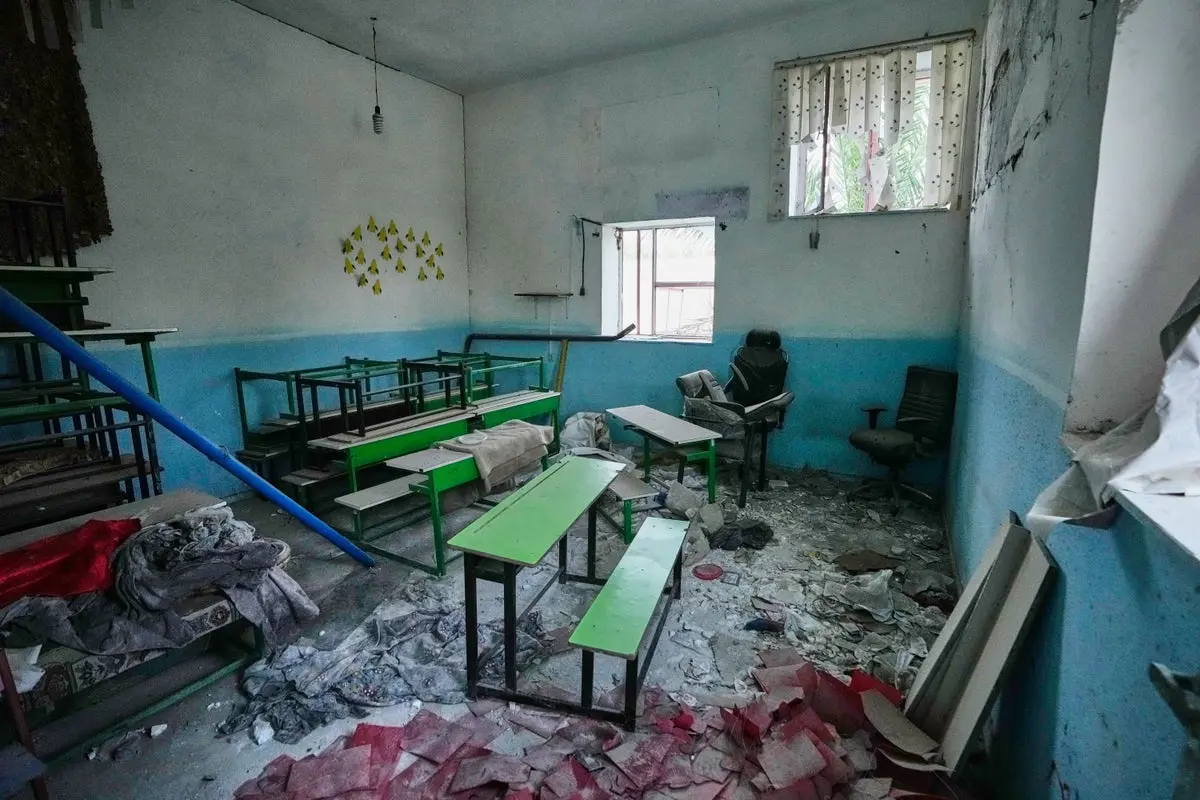 UN Report Accuses US and Iran of Serious Human Rights Violations
 Canada Eyes EU Associate Membership Under Prime Minister Mark Carney
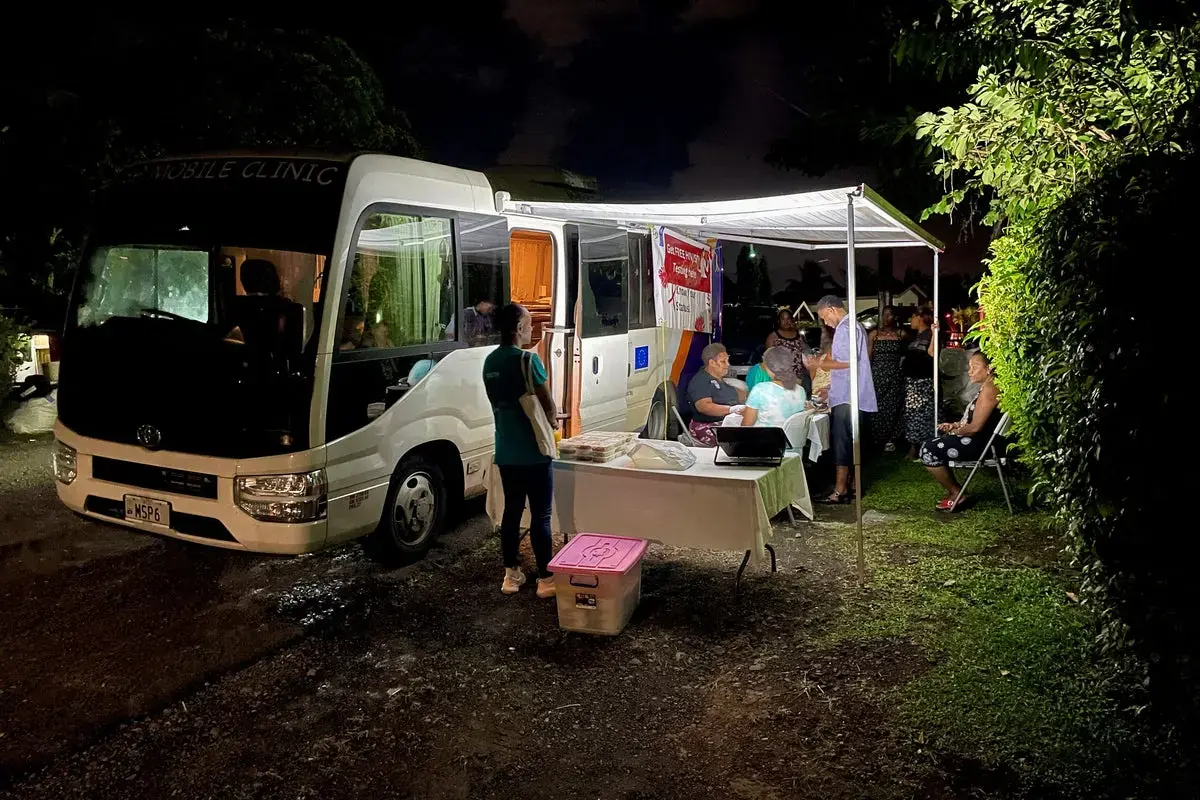 Fiji Declares National Emergency Over Rapid HIV Surge
 Israeli Forces Detain Palestinian Journalist in Ramallah Raid
The CDU faces a difficult test. In North Rhine-Westphalia, the party has seen its support shrink in recent polls. In Hesse, the SPD and Greens are gaining ground. Merz believes the party can turn the tide, but critics warn that a loss would force a leadership change. He is already planning a campaign to shore up his image and rally loyalists.
The CDU’s future hinges on these elections. A win would reinforce Merz’s claim to the chancellorship and give the party a solid base for the next federal election. A loss would signal a decline in public confidence and could trigger a leadership contest within the party. Analysts note that the CDU’s current poll numbers are below 30 percent in both states, a level that historically leads to coalition negotiations or resignations.
Is Merz’s Leadership at Risk?
Merz has called for unity among party members. He has urged regional leaders to focus on local issues like jobs and infrastructure. The party’s strategy includes a series of town‑hall meetings and targeted advertising. Opposition parties see the CDU’s vulnerability as an opportunity to push for reforms and to present themselves as the alternative.
The question is whether Merz can survive a potential defeat. A loss would weaken his position in the Bundestag and could embolden rivals such as Markus Söder and Armin Laschet. Some party insiders fear that a negative result would prompt a vote of no confidence. Others argue that Merz’s experience and network give him a chance to weather the storm. The CDU’s future hinges on the public’s perception of his leadership during the crisis.
The Sunday elections will also test the broader political landscape. If the SPD and Greens gain seats, they could form a coalition that would challenge the CDU’s dominance. The outcome will shape policy debates on climate, immigration, and economic recovery. Merz’s ability to navigate these challenges will determine his political longevity.
Merz’s political survival depends on the CDU’s performance in the two states. A win could secure his position and stabilize the party. A loss might trigger a leadership scramble and shift the balance of power in German politics. The coming days will reveal whether he can turn the tide or whether the party must look for new leadership.
Frequently Asked Questions
What are the key issues in the North Rhine-Westphalia and Hesse elections? The main concerns are the economy, job creation, energy policy, and public services. Voters are also evaluating the parties’ plans for climate action and social welfare.
How likely is it that the CDU will lose both elections? Polls show the CDU trailing behind the SPD and Greens in both states. While a loss is possible, a complete collapse is unlikely unless a major scandal emerges.
What would happen if Merz loses? A defeat could trigger a leadership contest within the CDU, potentially leading to a new chancellor candidate. It could also shift the balance of power in the Bundestag, opening the door for a coalition that excludes the CDU.