Shifting Strategies in Competitive Districts
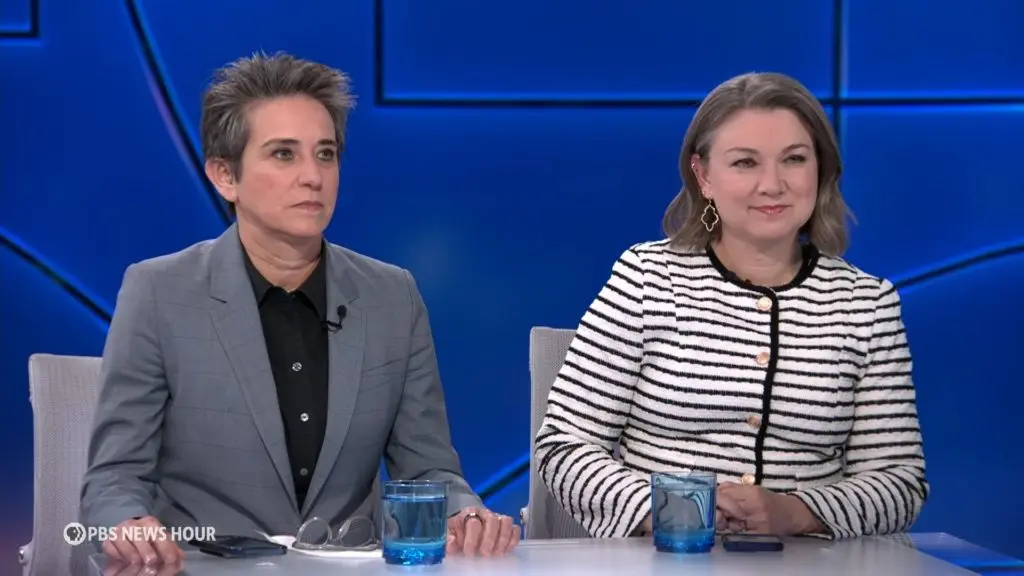
Political analysts Tamara Keith and Amy Walter joined Geoff Bennett on October 12 to examine the shifting landscape of the midterm elections. The discussion focused on the growing challenges facing the Republican Party as they struggle to maintain momentum in key battleground districts across the United States.
Latest news
 Global Economic Illusion Threatens Western Stability
 Major Wall Street Banks Deliver Third-Quarter Financial Results
 The Reality Check for the Artificial Intelligence Market
 Germany Shifts Stance on Chinese Trade Amid Rising Industrial Pressure
The conversation highlighted how specific legislative priorities and candidate quality are impacting voter sentiment. Analysts noted that internal party dynamics are creating unexpected friction. These tensions threaten to undermine the GOP's ability to capitalize on traditional midterm advantages.
The experts emphasized that suburban voters remain a critical demographic that could decide the final outcome. Recent polling data suggests that economic concerns are not the only factor driving voter behavior this cycle. Candidates are finding it increasingly difficult to balance base enthusiasm with broader appeal.
Can the GOP Overcome Internal Hurdles?
Strategic missteps in primary contests have left some Republican nominees struggling to gain traction with independent voters. The discussion underscored that fundraising alone cannot compensate for a lack of broad-based support in swing states. Campaign managers are now forced to pivot their messaging to address these specific weaknesses.
The analysts questioned whether the party can unify its messaging before election day. They pointed out that internal disagreements over policy platforms have provided openings for opponents to exploit. If these divisions persist, the party risks losing seats that were previously considered safe.
Frequently Asked Questions
The outlook for the midterms remains fluid as both parties scramble to mobilize their respective bases. The final weeks of the campaign will likely focus on turnout efforts and negative advertising. The ultimate result will hinge on which party successfully manages its internal vulnerabilities while appealing to undecided voters.
What are the primary factors affecting Republican performance? The party faces challenges related to candidate selection and the need to appeal to suburban voters. Internal policy disputes are also complicating their broader messaging efforts.
How do analysts view the current election landscape? Experts describe the situation as highly competitive and volatile. They believe that the outcome remains uncertain due to shifting voter priorities and party infighting.