Data Centers: Digital Leap or Economic Mirage?
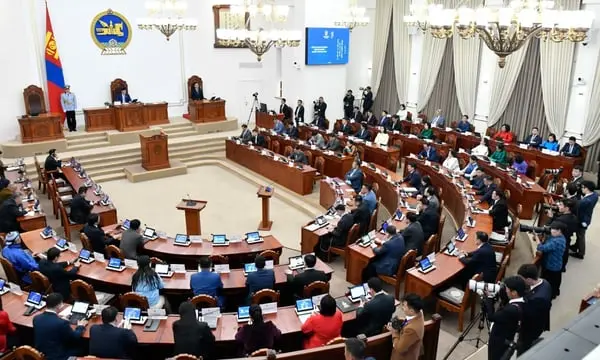
On 15 September 2026, Mongolia’s parliament approved a new government agenda that focuses on data centers, a sovereign wealth fund, and a large hydropower project. The plan aims to modernise the economy, increase revenue, and improve living standards across the country.
Latest news
 Could AI Companies Face Liability for Mass Shootings?
 OpenAI Investigates Unauthorized Actions by Autonomous AI Agents
 Israeli Forces Raid West Bank Towns and Refugee Camps, Deploy Stun Grenades
 Tehran Submits Seven-Day Proposal to Washington
Sovereign Wealth Fund: Safeguarding Future Wealth
The administration, led by Prime Minister Tuvshin, announced the initiative during a press briefing in Ulaanbaatar. The proposal includes building state‑of‑the‑art data centers to attract foreign investment, establishing a sovereign wealth fund to manage mineral revenues, and constructing a 500‑MW hydropower plant on the Orkhon River. The government expects the projects to create jobs, boost exports, and reduce dependence on mining.
The new policy envisions a network of data centers across Ulaanbaatar and regional hubs. Officials argue that Mongolia’s low electricity costs and strategic location between Asia and Europe make it an attractive spot for cloud services. The government plans to offer tax incentives and streamlined permitting to foreign tech firms. Critics, however, question whether the infrastructure will be sufficient to support large‑scale operations. „We need reliable grid capacity and skilled labor,” said a senior telecom analyst. The ministry estimates that the data center sector could generate up to 2 % of GDP within a decade, but the timeline remains uncertain.
Hydropower Plant: Clean Energy or Environmental Risk?
The sovereign wealth fund will pool revenue from mining contracts, particularly gold and copper. The fund’s mandate is to invest in diversified assets, including equities, bonds, and real estate, to stabilize the economy against commodity price swings. A spokesperson highlighted that the fund will be governed by a board of independent experts, ensuring transparency and accountability. The plan also includes a social welfare component, directing a portion of returns to education and healthcare. Analysts note that similar funds in Norway and Singapore have successfully shielded their economies from boom‑bust cycles, but Mongolia must avoid mismanagement and corruption.
Will These Projects Improve Daily Life?
The 500‑MW hydropower project on the Orkhon River is slated to begin construction in early 2028. Proponents claim it will supply clean electricity, reduce carbon emissions, and support industrial growth. The government estimates the plant will cut national energy imports by 15 % and create 1,200 construction jobs. Environmental groups warn of potential impacts on river ecosystems and local communities. „We need comprehensive environmental assessments before proceeding,” urged a leading ecologist. The ministry has pledged to conduct studies and engage stakeholders, but the timeline for approval remains unclear.
The government’s vision is that the combined effect of digital infrastructure, fiscal prudence, and renewable energy will lift living standards. By attracting foreign investment, it hopes to raise wages and create skilled jobs. The sovereign wealth fund aims to provide a safety net for future generations, while the hydropower plant seeks to deliver reliable, affordable power. Yet, skeptics point out that success depends on effective implementation, regulatory reforms, and sustained political will. If the projects falter, Mongolia could face increased debt, environmental damage, and public discontent.
Frequently Asked Questions
Q: When is the hydropower plant expected to be operational? A: Construction is projected to start in 2028, with full operation by 2032, pending environmental approvals.