
Immigration as Election Wedge Issue
Federal opposition leader Angus Taylor has promised to deliver one of the largest immigration reductions in Australia's history, using a speech to the NSW Liberal Party state council in Sydney to attack the Albanese government and energize supporters ahead of next year's federal election. The address came as the coalition seeks to regain momentum in national polls.
Latest news
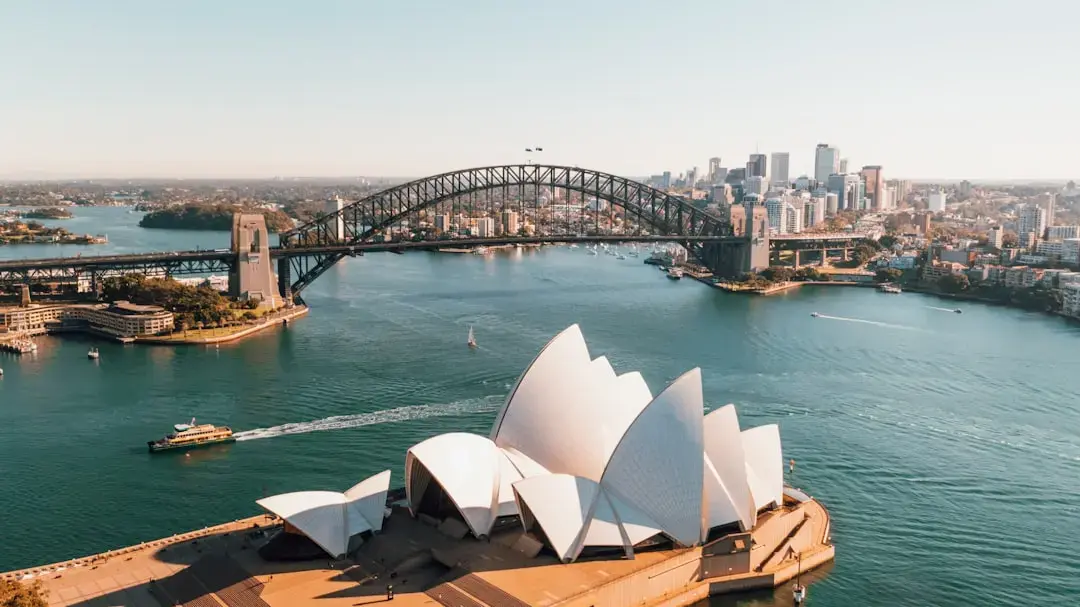 Australia Seeks Tech Giant Help to Bolster Online Safety and AI Rules
 Iran Sets Seven Conditions for US Talks as Saudi Forces Thwart Riyadh Attack
 Former Syrian General Arrested Over Civil War Operations
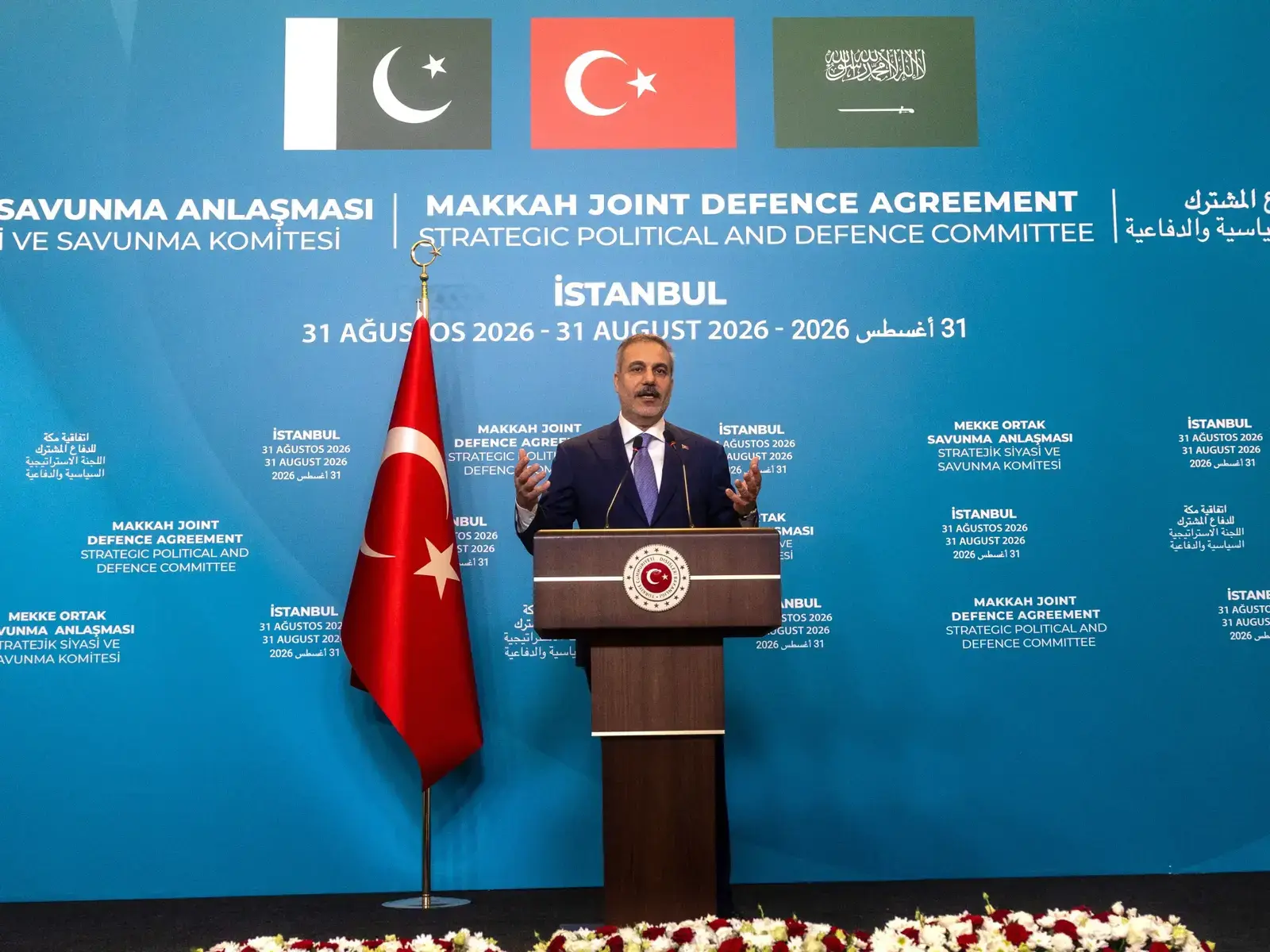 Turkiye pledges military support to Riyadh as Houthi threats rise
Taylor told delegates that Labor had become „socialist in all but name,”framing the government's economic policies as dangerously left-leaning. He argued that high immigration levels were driving pressure on housing, infrastructure, and wages, and pledged that a coalition government would slash intake numbers significantly. The opposition leader did not specify exact figures but said the cuts would be among the most dramatic ever attempted by a major party.
Taylor's focus on immigration echoes strategies used by conservative parties in New Zealand and the United Kingdom, where reducing migrant numbers has proven politically effective. Polling suggests cost-of-living concerns and housing shortages are top voter priorities, and the opposition hopes that linking these issues to population growth will resonate with outer-suburban families struggling with mortgage stress.
Can Cuts Deliver Economic Relief?
Economists remain divided over whether lower immigration would ease housing affordability, with some arguing that reduced skilled migration could harm productivity and slow economic growth. Treasury data shows net overseas migration reached a record 450,000 people in the year to March, fueling debate across political lines about sustainable intake levels.
Critics within the business community warn that abrupt reductions in skilled migration could damage sectors reliant on temporary visas, including healthcare, construction, and agriculture. Former prime minister Malcolm Turnbull questioned whether the opposition's proposed cuts would actually lower housing costs, suggesting that zoning reform and increased supply were more effective solutions.
The government has previously resisted calls to reduce immigration, with Prime Minister Anthony Albanese arguing that migrants are essential to filling labor shortages and supporting long-term economic expansion. Treasurer Jim Chalmers described Taylor's pledge as economically illiterate, warning that sudden cuts could push inflation higher by reducing productive capacity.
Looking ahead, the immigration debate is likely to intensify as both sides court marginal voters in key battleground states. With the federal election due by May 2025, Taylor's hardline stance signals that population policy will be a central campaign theme.
Frequently Asked Questions
How large were Taylor's proposed immigration cuts? Taylor did not release specific numbers but described them as among the biggest reductions in Australian history, without detailing which visa categories would be affected.
Why is immigration a major political issue now? Record net overseas migration and rising living costs have made population policy a key voter concern, particularly in outer-suburban electorates experiencing housing stress.
What do economists say about cutting immigration? Views differ sharply; some believe lower migration could ease housing pressure, while others warn cuts could reduce economic growth and worsen labor shortages.