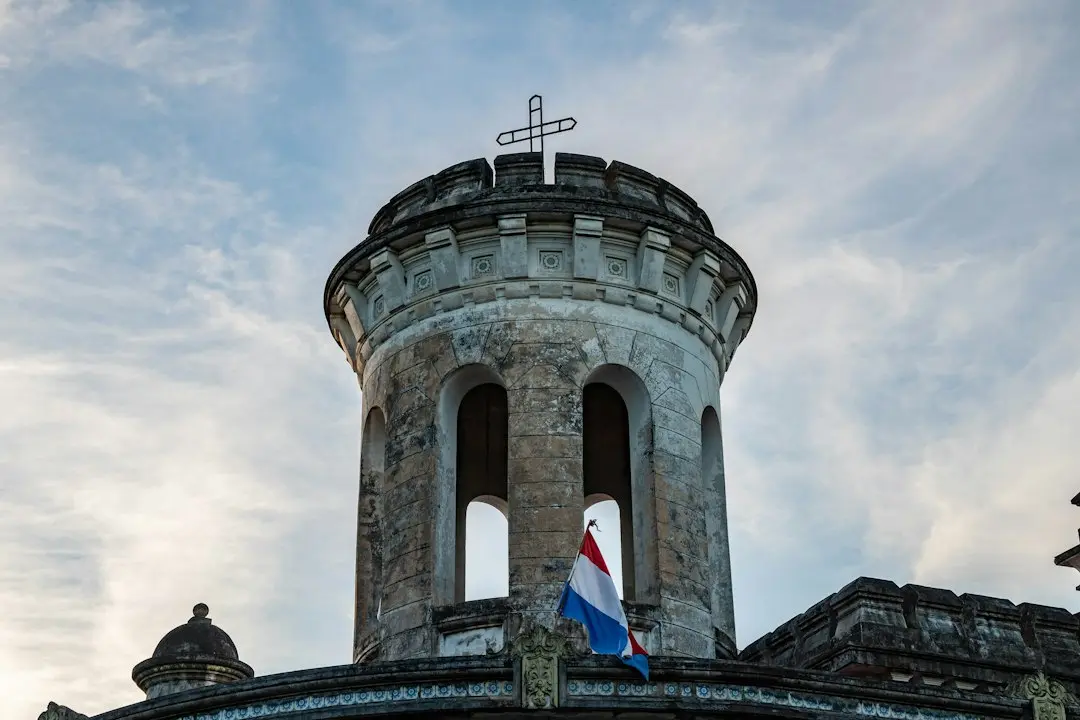
Political Fallout and Financial Chaos
Santiago Peña stepped down as Paraguay’s president on Thursday. His departure follows the sudden collapse of Ueno Bank. The crisis has left approximately three million citizens without access to their funds. Vice President Pedro Alliana is set to assume the presidency. This transition occurs while the nation grapples with severe financial instability. The resignation came just before a parliamentary vote on impeachment.
Latest news
 How Democrats Turned Cost-of-Living Fears Into Green Populism
 CNBC Experts Analyze the AI Trade Breakdown and Investor Strategy
 Ukraine Runs Out of Time as Peace Talks Return
 Justice Department Civil Rights Chief Steps Down
Peña faced intense pressure from legislators and the public. The banking failure exposed deep systemic weaknesses in the country’s financial sector. Allegations of conflict of interest further complicated his tenure. Lawmakers moved quickly to initiate impeachment proceedings. The president chose to resign rather than face a potentially damaging vote in the Chamber of Deputies. This decision marks a significant political shift in the region.
The Ueno Bank crisis triggered widespread panic among depositors. Many individuals found themselves locked out of their accounts. Banks reported a surge in withdrawal requests. The central bank intervened to stabilize the situation. However, the damage to public trust was immediate. Citizens protested in the streets demanding accountability. The government promised to protect depositors. Yet, the scale of the loss remained unclear.
How Will the New Leadership Address the Crisis?
Peña’s administration came under scrutiny for regulatory failures. Critics argued that oversight bodies failed to detect the bank’s distress. The alleged conflict of interest added fuel to the fire. Opposition parties demanded a full investigation. They sought to uncover any links between the president and the failing institution. The political climate became highly volatile. Alliances shifted as parties debated the path forward.
Vice President Pedro Alliana now holds the highest executive power. He must navigate a complex economic landscape. His primary task is to restore confidence in the banking system. Analysts suggest he will work closely with the central bank. Immediate liquidity injections may be necessary. The new president faces a challenging mandate. He must balance fiscal responsibility with social stability.
The transition of power raises questions about continuity. Will Alliana pursue the same economic policies? Or will he enact significant changes? The banking sector remains fragile. International observers are watching closely. The situation could have broader regional implications. Neighboring countries may face similar pressures. The outcome of this crisis will define Paraguay’s future.
Frequently Asked Questions
Who is the new president of Paraguay? Pedro Alliana, the Vice President, has assumed the role. He takes office following Santiago Peña’s resignation. Alliana now leads the country through the banking crisis.
Why did Santiago Peña resign? He resigned amid the Ueno Bank collapse. Additionally, he faced imminent impeachment over conflict of interest allegations. Stepping down allowed him to avoid a formal vote.
How many people are affected by the bank failure? Approximately three million Paraguayans are impacted. These individuals currently lack access to their bank accounts. The crisis has caused significant financial hardship for many.