The Benefits of Managed Aquifer Recharge
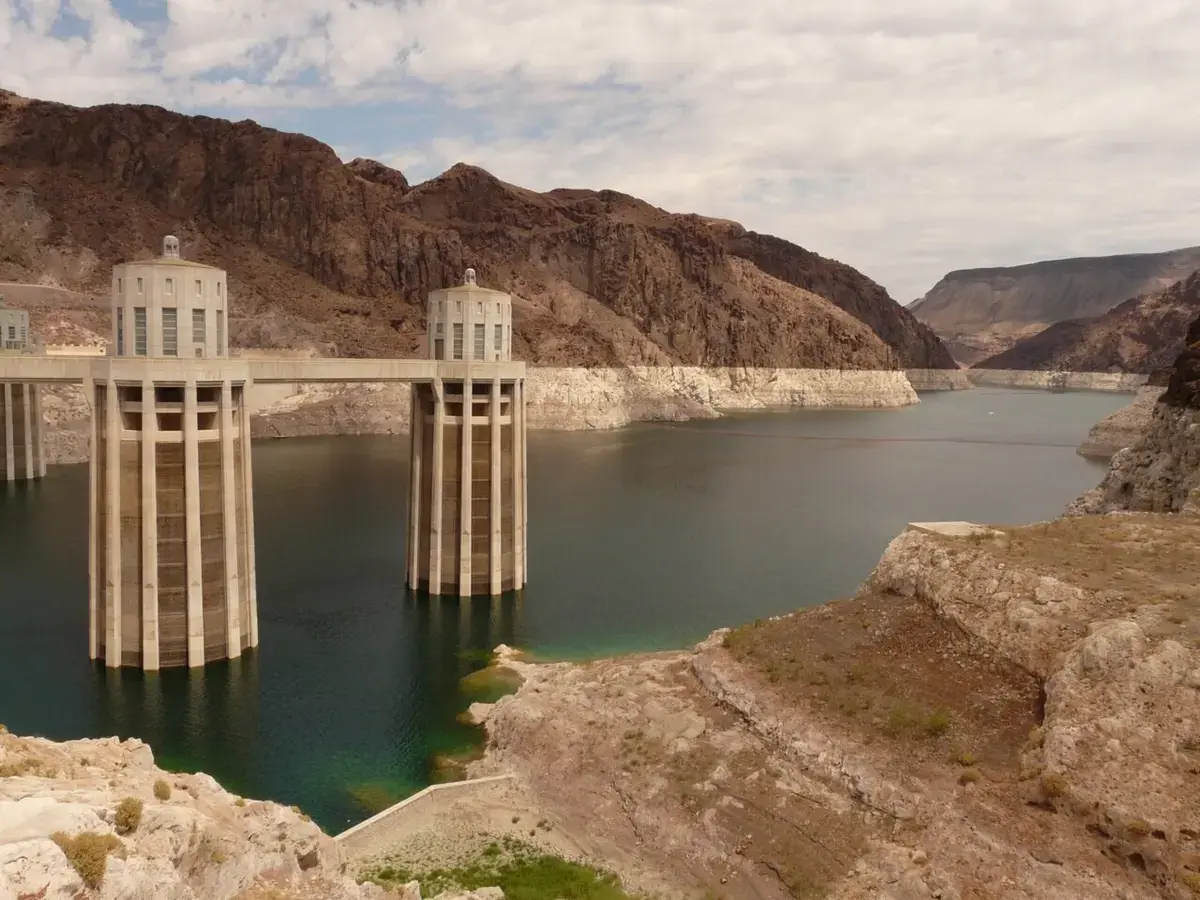
In the face of climate change, five countries are struggling to adopt Managed Aquifer Recharge (MAR) systems. These systems offer a sustainable method to address water scarcity by capturing and storing water more efficiently than traditional infrastructure.
Latest news
 Swedish Voters Choose New Parliament as Left-Wing Coalition Projects to Win Majority
 Trump Announces End of US Tariff on Irish Whisky
 Frances Stonor Saunders, Author of CIA Cultural Espionage Exposé, Dies at 66
 Israel and Lebanon to Hold Security Talks in Rome This October
As water supplies dwindle due to climate impacts, MAR presents a viable alternative. It allows for the replenishment of aquifers, which are crucial for drinking water and agriculture. Despite its benefits, policy barriers prevent the widespread implementation of these systems, leaving countries vulnerable to water shortages.
Managed Aquifer Recharge involves techniques that enhance the natural replenishment of groundwater. This method is not only cost-effective but also environmentally friendly. By utilizing existing resources and infrastructure, MAR can provide a sustainable solution to water scarcity, especially in arid regions.
What Are the Challenges Facing Aquifer Recharge Initiatives?
Countries like Australia, the United States, India, and several in Africa have recognized the potential of MAR. However, outdated regulations and lack of political will often stall progress. Experts argue that updating policies could unlock the benefits of aquifer recharge, ensuring a more resilient water supply for future generations.
Despite the clear advantages, the adoption of MAR faces significant challenges. Many policymakers lack awareness of the benefits, and existing water management frameworks often overlook aquifer recharge. Additionally, concerns about water quality and land use can complicate implementation.
For instance, in some regions, local communities express resistance due to fears of contamination. Addressing these concerns through education and transparent communication is crucial for building trust and support for MAR projects.
Frequently Asked Questions
The outlook for aquifer recharge remains uncertain. If policies are not revised to embrace innovative water management solutions, countries may face increasing water scarcity as climate change progresses. The need for proactive measures is urgent, as the consequences of inaction could severely impact both ecosystems and economies.
What is Managed Aquifer Recharge? Managed Aquifer Recharge is a process that enhances the natural replenishment of groundwater by capturing and storing water through various techniques.
Why is policy reform necessary for MAR? Policy reform is essential to remove barriers that hinder the implementation of MAR systems, allowing countries to effectively address water scarcity and adapt to climate change impacts.