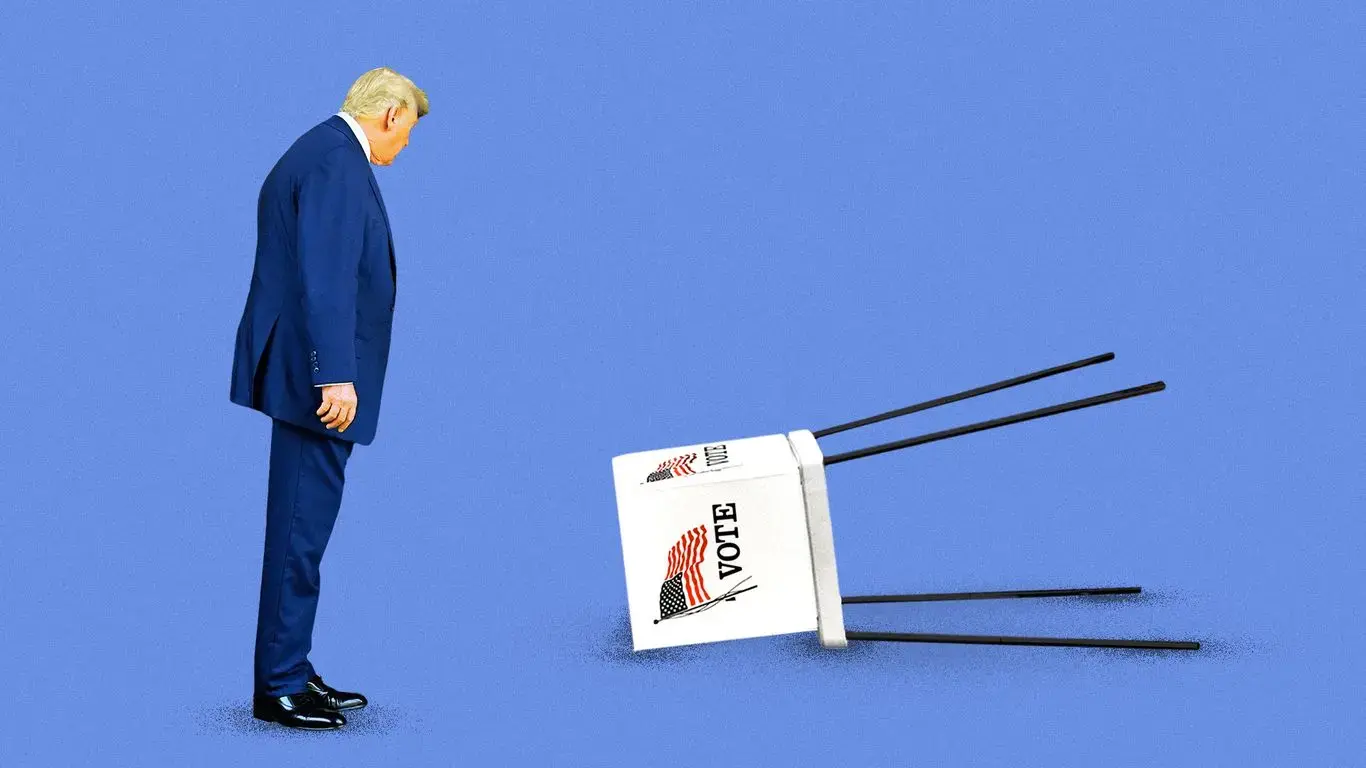
Federal Leverage Over State Election Mechanics
The central goal of this overhaul is to reshape the operational landscape of U. S. elections. By intervening in multiple simultaneous areas, the administration aims to create a new standard for federal oversight. Experts in voting rights describe this rapid series of changes as a calculated move. They argue that the sheer volume of adjustments is intended to generate widespread confusion among voters and local officials. This approach challenges the traditional separation between federal authority and state-level election management.
Latest news
 Swedish Voters Choose New Parliament as Left-Wing Coalition Projects to Win Majority
 Trump Announces End of US Tariff on Irish Whisky
 Frances Stonor Saunders, Author of CIA Cultural Espionage Exposé, Dies at 66
 Israel and Lebanon to Hold Security Talks in Rome This October
The administration is utilizing its executive power to influence processes traditionally managed by individual states. This includes reviewing the methods used to verify voter eligibility and update registration databases. The focus extends to the logistics of mail-in voting, scrutinizing how ballots are counted and transported. Additionally, the plan involves setting new guidelines for the personnel assigned to monitor polling places. These interventions aim to standardize procedures across different jurisdictions. By imposing uniform rules, the White House seeks to reduce perceived inconsistencies in how votes are tallied nationwide.
Critics note that this level of federal involvement marks a significant shift in recent history. Historically, states held primary responsibility for administering their own elections. Now, federal directives are playing a much larger role in day-to-day operations. The redrawing of congressional lines is another key pillar of this strategy. The administration is pushing for specific criteria in map-making to ensure favorable outcomes for its party. This aspect of the plan directly impacts the balance of power in the House of Representatives.
Does This Churn Create Confusion or Clarity?
Voting-rights experts warn that the speed and scope of these changes may overwhelm local election workers. Many officials are still adapting to previous reforms when new mandates arrive. This constant flux can lead to inconsistent implementation across counties. Voters may face unclear instructions regarding which forms to use or where to cast their ballots. The administration argues that these changes bring necessary clarity and security to the system. However, opponents contend that the rapid pace prevents thorough testing and public education. This debate highlights a deeper tension between national uniformity and local flexibility in democratic processes.
The long-term consequences of this reshaping remain uncertain. If successful, the new framework could establish a lasting precedent for federal intervention in elections. Future administrations might adopt similar tools to adjust the electoral landscape. For now, the political battleground has expanded beyond candidate races to include the very rules governing those contests. As the next cycle approaches, both parties will closely watch how these new mechanisms function under real-world conditions. The outcome will likely determine the stability of the U. S. electoral system for years to come.
Frequently Asked Questions
What specific parts of the election system are being targeted? The strategy targets voter roll accuracy, mail ballot logistics, polling place monitoring, and congressional district maps. These areas cover the entire lifecycle of an election from registration to final certification.
Why do experts believe this creates confusion? The rapid introduction of multiple simultaneous changes overwhelms local officials and voters. This churn makes it difficult for citizens to understand which rules apply in their specific jurisdiction.
How does this affect congressional line drawing? The plan seeks to impose new standards on how district boundaries are set. This aims to influence the composition of Congress by adjusting maps to favor specific political outcomes.