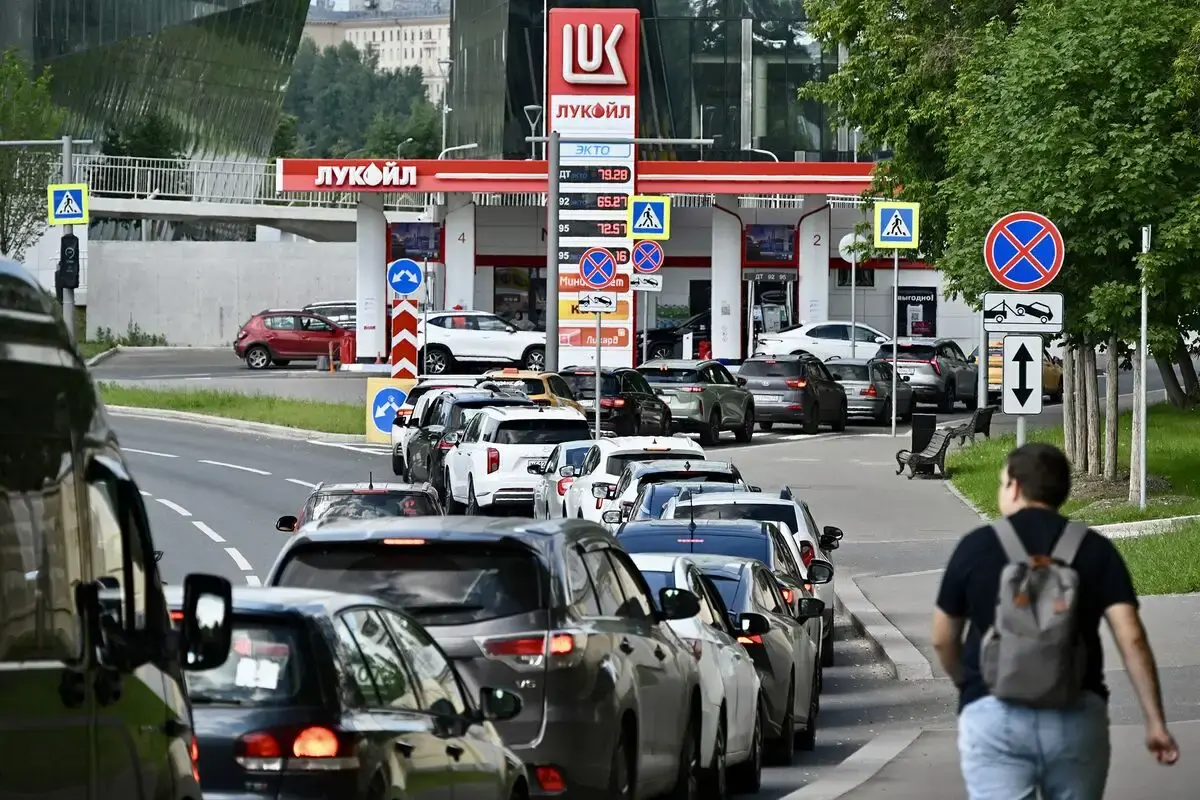
Bolstering Energy Independence
Russian President Vladimir Putin has enacted new tax laws. These changes aim to increase the amount of gasoline available within Russia. The move comes as global energy markets face uncertainty. The government seeks to stabilize fuel prices for its citizens.
Latest news
 Swedish Voters Choose New Parliament as Left-Wing Coalition Projects to Win Majority
 Trump Announces End of US Tariff on Irish Whisky
 Frances Stonor Saunders, Author of CIA Cultural Espionage Exposé, Dies at 66
 Israel and Lebanon to Hold Security Talks in Rome This October
The amendments focus on ensuring a steady and affordable supply of fuel for Russian consumers. This legislative action reflects a strategic effort to reduce reliance on external factors. It also addresses potential shortages or price spikes in the domestic market. The government wants to protect its economy from global energy fluctuations.
The new regulations are designed to incentivize oil companies. They encourage these companies to prioritize supplying fuel to the Russian market. This could involve adjustments to export duties or production quotas. The goal is to make domestic sales more attractive than international ones.
How Will This Affect Fuel Prices for Russians?
The primary objective is to maintain stable and reasonable gasoline prices across the country. By boosting internal supply, the government hopes to prevent significant price increases. This could provide relief to drivers and businesses. It also aims to curb inflation related to energy costs.
The long-term impact of these tax adjustments remains to be seen. However, the immediate goal is to create a more resilient domestic fuel market. This policy underscores Russia's commitment to energy security. It also highlights its focus on internal economic stability.
Frequently Asked Questions
What is the main purpose of the new tax laws? The main purpose is to increase the domestic supply of gasoline in Russia. This aims to stabilize fuel prices and ensure availability for consumers.
How might these changes affect oil companies? Oil companies may be incentivized to sell more fuel within Russia. This could be due to new tax structures that favor domestic sales over exports.
Will these changes impact international fuel markets? The primary focus is on Russia's internal market. Any impact on international markets would likely be indirect, depending on how global supply chains adjust.