The Rise of New Political Movements
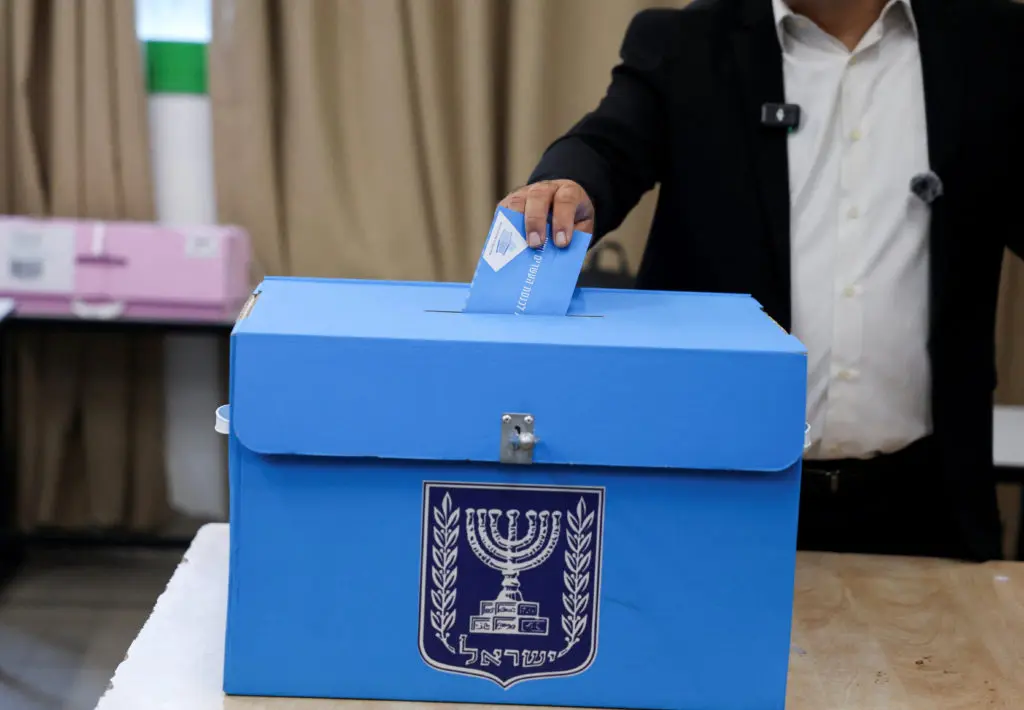
In Israel, the latest election results reveal a fragmented vote that leaves no single party or coalition in a decisive position. The vote count, recorded after the October 7 attacks, shows a record number of seats won by various parties, reflecting deep divisions among voters. The results were announced on October 27, 2026, and the data is still being tallied as new votes arrive.
Latest news
 Gulf states push multilateral peace deal to stop US-Iran war
 Mahmoud Khalil: How Campus Activism Reshaped US Policy Views
 Israel Election Results: Exit Polls Show Deadlock Between Netanyahu and Eisenkot Blocs
 Israel Faces Political Uncertainty After Tight Election Results
The political landscape in Israel has become increasingly complex, with a surge in smaller parties and a decline in traditional major parties. Analysts note that the current electoral system, which uses proportional representation, allows even minor parties to secure seats. This fragmentation makes it difficult for any party to achieve the 61 seats needed for a majority in the 120-seat Knesset. The lack of a clear winner means that coalition negotiations will be prolonged and uncertain, potentially delaying the formation of a new government.
How Will the Coalition Form? (What Are the Next Steps?)
Recent polls indicate that several new parties have gained significant traction. These movements appeal to specific demographic groups, such as religious communities, secular voters, and those concerned with security and economic issues. The surge in support for these parties demonstrates a shift away from the long-standing dominance of the two major parties. This trend is partly driven by public dissatisfaction with the handling of security threats and economic challenges. The new parties have also capitalized on the public’s desire for fresh leadership and policies that address contemporary concerns.
Negotiations among parties are already underway, but the path to a stable coalition remains unclear. The leading parties must find common ground on key policy areas, including security, immigration, and the economy. Potential alliances are being explored, but each party’s demands differ, making compromise difficult. The Prime Ministerial candidate will likely emerge from the party that can secure the most allies. If a coalition cannot be formed within a reasonable timeframe, a second election may be called, which could further destabilize the political environment.
Frequently Asked Questions
The outcome of these negotiations will shape Israel’s domestic and foreign policy. A fragile coalition could struggle to pass legislation, while a robust alliance might bring decisive action to address the nation’s challenges. The international community will closely watch the process, as Israel’s stability has implications for regional security and global diplomatic relations.
Q: Could a second election be required? A: Yes. If parties cannot agree on a coalition within the legal deadline, a second election may be called, which could further destabilize the political climate.