Why Has Public Approval Fallen?
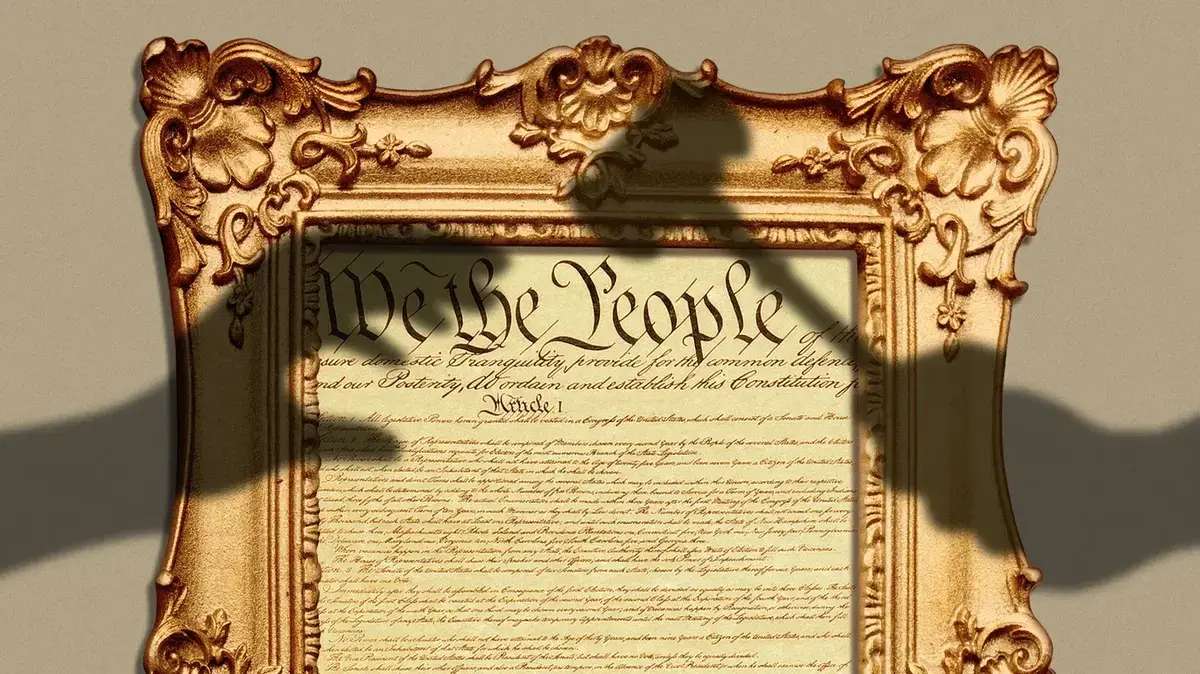
Public confidence in the U. S. Supreme Court has reached a new low. Its approval ratings now mirror those of the executive and legislative branches. This marks a notable shift for an institution historically viewed with high esteem.
Latest news
 Swedish Voters Choose New Parliament as Left-Wing Coalition Projects to Win Majority
 Trump Announces End of US Tariff on Irish Whisky
 Frances Stonor Saunders, Author of CIA Cultural Espionage Exposé, Dies at 66
 Israel and Lebanon to Hold Security Talks in Rome This October
The Supreme Court traditionally enjoyed the highest public approval among the three branches of government. However, recent data indicates a substantial drop in this long-held public trust. This decline places the judiciary on par with the often-criticized presidency and Congress.
The reasons behind this erosion of trust are complex. Public perception of the Court's impartiality has been questioned. Several high-profile and controversial rulings have likely contributed to this sentiment. These decisions have sparked widespread debate and polarized public opinion. The Court's role in politically charged issues has become more prominent. This increased visibility has exposed it to greater scrutiny.
What Does This Mean for the Court's Legitimacy?
A decline in public approval can have significant implications for the Supreme Court. Its authority relies heavily on public acceptance of its decisions. When trust wanes, the Court's ability to act as a neutral arbiter may be undermined. This situation could lead to challenges in enforcing its rulings. It also raises concerns about the long-term stability of democratic institutions. The Court's legitimacy is crucial for the rule of law.
The current trend suggests a broader crisis of confidence in government institutions. All three branches are now struggling to maintain public support. This collective decline presents a challenge for the nation's political landscape. Rebuilding trust will require concerted effort and a focus on transparency.
Frequently Asked Questions
What was the Supreme Court's historical approval standing? Historically, the Supreme Court consistently held the highest public approval ratings among the three branches of the U. S. government, often seen as above partisan politics.
How does the Supreme Court's current approval compare to other branches? Its current approval ratings are now similar to those of the President and Congress, indicating a significant drop from its traditional position of higher public trust.
What are the potential consequences of this decline in public trust? A sustained decline in public trust could weaken the Court's perceived legitimacy and authority, potentially making its decisions harder to accept and impacting the stability of the judicial system.