The Missing Information: What Was Concealed?
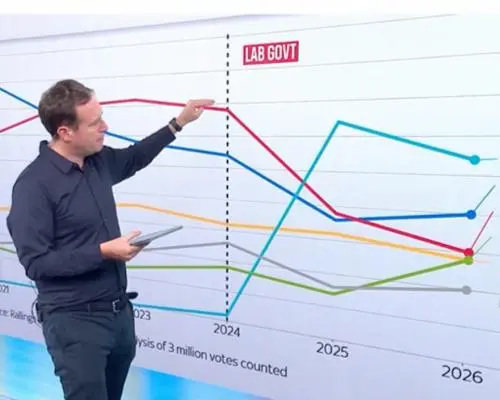
In the run‑up to the local elections, a Channel 4 investigation revealed that a prominent polling firm failed to disclose three surveys it had published. The revelation has sparked calls for greater transparency in the UK polling sector.
Latest news
 Houthi Officials Blame Saudi Arabia for Striking Schools in Yemen
 Quantum Computers Get a New Way to Measure Their Worth
 Pakistan and Oman Explore Maritime Cooperation to Boost Gwadar Port’s Regional Role
 India-hosted BRICS summit faces quiet criticism over currency language
The investigation highlighted that the firm had omitted publication dates and methodological details, raising questions about accuracy and influence on voter perception. The polls were released ahead of the elections, potentially shaping public opinion and affecting campaign strategies.
The investigation found that the firm published three separate polls without indicating the dates they were conducted or the sampling methods used. This omission made it difficult for analysts to assess the reliability of the results. Critics argue that such gaps undermine the credibility of polling data, especially when the information is released close to election day. The firm’s spokesperson said it would review its reporting procedures, but the damage to public trust has already begun.
Why Transparency Matters in Elections?
Industry insiders say that the lack of transparency is not an isolated incident. Several other firms have been accused of similar practices, leading to a broader debate about the standards that should govern polling in the UK. Some experts call for mandatory disclosure of methodology and funding sources, arguing that voters deserve to know how data is gathered and who is behind it.
Polling data can influence voter turnout, media coverage, and campaign messaging. When the public cannot verify the source or method of a poll, it becomes difficult to distinguish between reliable information and potential manipulation. The Channel 4 report also pointed out that undisclosed polls may give an unfair advantage to certain parties, especially if the data are used to target specific demographic groups.
Political analysts say that the integrity of the democratic process depends on accurate and honest reporting. Without clear standards, the public may lose confidence in the electoral system, leading to lower participation and increased cynicism. The report urges lawmakers to consider new regulations that would require pollsters to register their studies and publish detailed methodology.
The scandal may prompt stricter oversight, reforms, and a shift toward more reliable polling practices. If the industry adopts transparent standards, future polls could regain credibility and help voters make better-informed decisions.
Frequently Asked Questions
What steps are being taken to address the issue? Regulatory bodies are reviewing the incident and may introduce new guidelines that require pollsters to disclose methodology and funding sources.
Will this affect current election results? The polls in question were published before the elections, so they could have influenced voter perceptions, but the final results remain unchanged.
How can voters verify poll reliability? Voters should look for detailed methodology, sample size, and the date of data collection in any poll presented in the media.