The Diplomatic Push: Why Now?
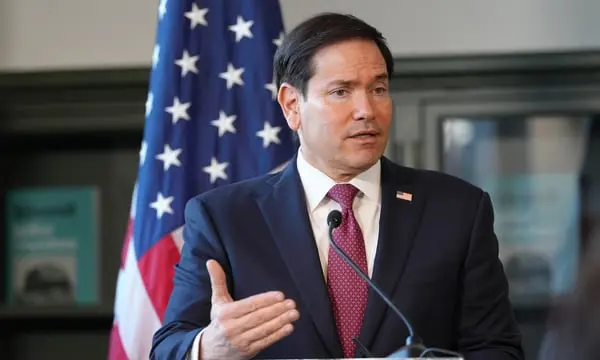
The United States is urging Central Asian governments to defend Uyghur minorities and resist Chinese pressure. The move, led by Secretary of State Mike Rubio, aims to reassert American values in a region where Beijing’s influence is growing.
Latest news
 Iran Must Prepare for War Despite Ongoing Talks with US, Says Parliament Speaker
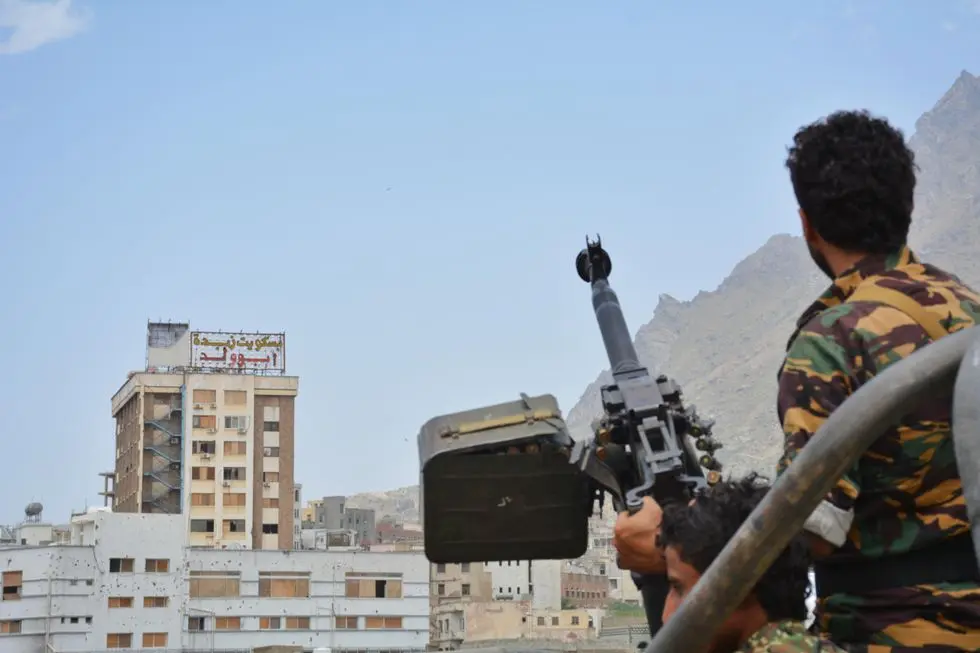 Saudi Arabia Reverses Course, Escalates Yemen Conflict After Houthi Gains
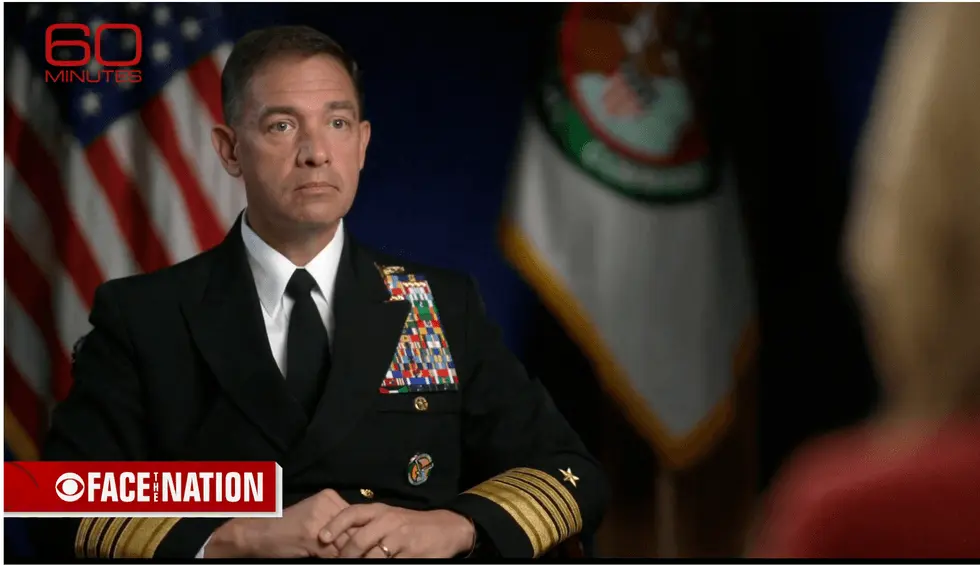 Defense Secretary Announces Major Cut to Senior Military Ranks
 MP Calls for End to Ban on Palestine Action Group Following Book Sales Dispute
Central Asian states—Kazakhstan, Kyrgyzstan, Tajikistan, Turkmenistan, and Uzbekistan—have faced accusations of complicity in the Chinese crackdown on Uyghurs. In recent weeks, the U. S. has increased diplomatic engagement, demanding that these governments uphold human rights and provide safe passage for Uyghur refugees. Rubio’s stance signals that Washington still cares about ethical leadership, even as it balances strategic interests.
The U. S. has long viewed Central Asia as a buffer between Russia and China. With China’s Belt and Road Initiative expanding, the region’s political landscape is shifting. By pressing the governments to protect Uyghurs, the U. S. seeks to counter Beijing’s narrative that it is the sole guardian of stability in the area. Rubio’s approach also aims to secure the cooperation of Central Asian states on broader security issues, such as counterterrorism and regional stability.
Can Central Asian States Resist Beijing’s Leverage?
„Central Asian partners must uphold basic human rights,” Rubio said at a recent briefing. „Their actions reflect on the United Nations and the global community.” The U. S. has offered technical assistance and legal support to help these governments reform their policies. The diplomatic pressure is coupled with public statements that highlight the plight of Uyghurs, drawing international attention to the issue.
Central Asian governments face a complex dilemma. On one hand, they rely on Chinese investment for infrastructure and economic growth. On the other, they risk alienating Western allies if they appear to tolerate human rights abuses. Some officials have expressed concern that stricter U. S. demands might jeopardize trade deals. Others view the pressure as an opportunity to diversify partnerships, reducing dependence on China.
The Human Cost: Uyghur Refugees on the Move
„China’s economic influence is undeniable,” said a Kazakh diplomat. „But we cannot ignore the moral responsibility to protect vulnerable populations.” The U. S. is offering incentives, such as increased trade quotas and security cooperation, to encourage compliance. Whether these measures will succeed depends on the willingness of Central Asian leaders to balance economic benefits with international expectations.
Thousands of Uyghurs have fled to neighboring countries, seeking refuge from surveillance and forced labor. Many now live in precarious conditions, lacking legal status and access to basic services. The U. S. is advocating for resettlement programs and humanitarian aid to support these displaced communities. By highlighting individual stories, the U. S. aims to humanize the crisis and galvanize global support.
The international community has called for independent investigations into alleged abuses. The U. S. is urging the United Nations to conduct a thorough review, while also working with NGOs to document evidence. These efforts could lead to sanctions against Chinese officials and increased pressure on Beijing to change its policies.
What Happens if Central Asia Aligns with the U. S.?
If Central Asian governments comply, they could strengthen ties with Western nations, gaining access to new markets and security assistance. This alignment might also create a counterbalance to Chinese influence, promoting a more pluralistic regional order. Conversely, failure to act could isolate these states diplomatically, limiting their ability to negotiate favorable terms with China.
The outcome will shape the future of human rights advocacy in the region and influence the broader geopolitical balance. The U. S. will monitor the situation closely, ready to adjust its strategy as Central Asian leaders respond to the diplomatic pressure.
Frequently Asked Questions
Q1: What specific actions is the U. S. urging Central Asian governments to take? A1: The U. S. is demanding that they protect Uyghur minorities, provide safe passage for refugees, and cooperate with international investigations into alleged abuses.
Q2: How does this strategy fit into U. S. broader foreign policy in Central Asia? A2: It aims to counter China’s influence, promote human rights, and secure cooperation on security and economic issues, reinforcing Washington’s role as a moral leader.
Q3: What risks do Central Asian states face if they resist U. S. pressure? A3: They risk losing Chinese investment and trade benefits, but they may gain stronger ties with Western allies and a more diversified economic base.