Why the CDU’s Performance Worsened
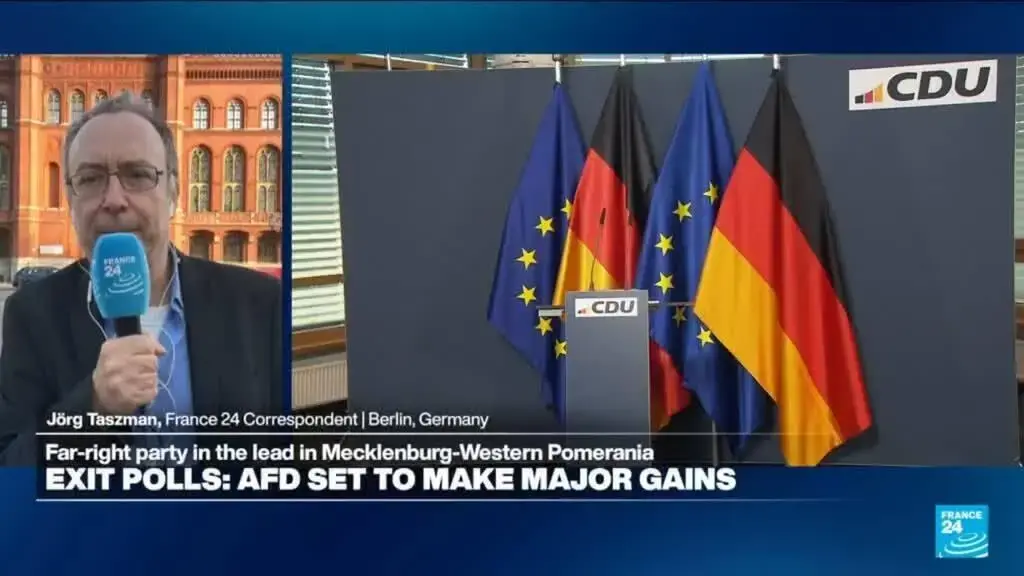
Exit polls revealed a sharp decline for the Christian Democratic Union (CDU) led by Friedrich Merz in the Berlin and Mecklenburg‑Vorpommern elections held on Tuesday. The results suggest the party’s support has collapsed in both states, marking a significant blow to its regional influence.
Latest news
 Trump & Xi to Meet Amidst Friction on Wars, Tech, Trade
 Trump's Triumphal Arch Plan Highlights Growing Political Isolation
 Trump to Create Health Funding Board with Power to Veto „Woke” Research
 Iran's Foreign Minister Heads to New York for UN General Assembly
The Berlin election, the most closely watched, saw the CDU’s share drop from a comfortable majority in the previous term to just over 20 percent in the exit poll. In Mecklenburg‑Vorpommern, the party’s vote share fell similarly, slipping below the threshold needed for parliamentary representation. The polls indicate that voters are turning to alternative parties, especially the Social Democratic Party (SPD) and the Greens, who are poised to gain seats.
The CDU’s decline can be traced to several factors. In Berlin, the party’s coalition with the Free Democratic Party (FDP) has been criticized for policy stagnation and a perceived lack of progress on housing and public transport. In Mecklenburg‑Vorpommern, economic concerns and a perceived disconnect between the party’s leadership and local issues have alienated many voters. The party’s national leadership, under Merz, has struggled to present a compelling vision that resonates with the diverse electorate in these states.
Can the CDU Recover? What Happens Next?
The CDU’s strategy has relied heavily on traditional voter bases, but demographic shifts in urban areas have eroded that support. Berlin’s younger population favors progressive policies, while Mecklenburg‑Vorpommern’s rural voters demand stronger economic incentives. The party’s messaging has failed to address these new priorities. Additionally, internal divisions within the CDU have weakened its campaign cohesion, leading to inconsistent messaging and a lack of clear leadership on key issues.
The exit polls also show that the SPD’s candidate, who has focused on renewable energy and social welfare, has gained traction. The Greens, with their environmental platform, have attracted voters concerned about climate policy. Together, these parties are reshaping the political landscape, leaving the CDU with a smaller, less influential role.
The CDU’s leadership faces a critical decision point. The party must reassess its policy priorities and rebuild trust with voters. A potential strategy could involve forming new alliances with centrist parties or adopting a more progressive stance on housing and climate change. The upcoming federal elections will test whether the CDU can regain its footing on a national level.
If the CDU fails to reverse its decline, it may lose its status as the dominant party in both states. This could lead to a shift in regional governance, with the SPD and Greens forming new coalitions. The party’s future will hinge on its ability to adapt to changing voter expectations and to present a unified, forward‑looking platform.
Frequently Asked Questions
What caused the CDU’s loss in Berlin? The party’s coalition with the FDP was criticized for slow progress on housing and transport, leading voters to seek alternatives.
Will the CDU lose seats in Mecklenburg‑Vorpommern? Exit polls suggest the party’s vote share fell below the threshold needed for parliamentary representation, risking a loss of seats.
Can the CDU regain voter trust? The party must adapt its platform to address economic concerns and climate policy, and rebuild a cohesive campaign strategy.