The Debate Over Algorithmic Transparency
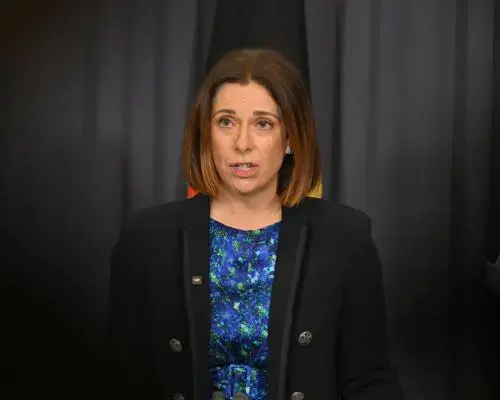
A coalition government in the capital has unveiled a plan to regulate the hidden algorithms that curate content on social media platforms. The initiative, aimed at protecting users from harmful or misleading material, has sparked a heated debate in federal parliament. Opposition leader Angus Taylor has warned that the move could amount to censorship, while communications minister Anika Wells is poised to introduce a draft bill that would impose a „digital duty of care” on tech companies.
Latest news
 Swedish Voters Choose New Parliament as Left-Wing Coalition Projects to Win Majority
 Trump Announces End of US Tariff on Irish Whisky
 Frances Stonor Saunders, Author of CIA Cultural Espionage Exposé, Dies at 66
 Israel and Lebanon to Hold Security Talks in Rome This October
The proposed legislation would require platforms to assess the impact of their recommendation systems on users, particularly minors, and to take steps to mitigate risks such as misinformation, hate speech, and mental‑health harm. Wells argues that the duty of care would level the playing field, ensuring that companies are held accountable for the content they surface. Taylor, however, contends that the bill could stifle free expression and give the government undue influence over online discourse.
The core of the bill is a mandate for algorithmic transparency. Platforms would need to disclose how they rank and recommend posts, and provide users with tools to understand why certain content appears in their feeds. Wells says this will empower users to make informed choices and reduce the spread of disinformation. Critics, including Taylor, fear that the disclosure requirements could be used to suppress unpopular viewpoints under the guise of protecting users.
Is a Digital Duty of Care the Right Path? (Question)
The opposition has called for a more balanced approach, suggesting that self‑regulation and industry standards could achieve similar outcomes without imposing heavy regulatory burdens. They also point to the risk of over‑reach, where the government might dictate editorial decisions. Wells counters that without a legal framework, companies will continue to prioritize engagement over safety, as recent data shows a rise in algorithm‑driven echo chambers.
The concept of a digital duty of care is not new. Similar frameworks have been discussed in other jurisdictions, but this is the first time a comprehensive bill has been drafted in our country. The question remains whether the duty will be enforceable and how it will be measured. Wells proposes a set of metrics, including user complaints, content removal rates, and impact assessments, to evaluate compliance. Opponents argue that these metrics could be too vague and open to manipulation.
A key concern is the potential for unintended consequences. If platforms are forced to limit algorithmic personalization, users may experience reduced engagement and a decline in platform revenues. This could lead to a shift toward more opaque, proprietary systems that are harder to regulate. The bill’s supporters believe that the long‑term benefits to public safety outweigh these risks, citing studies that link algorithmic bias to real‑world harm.
The final draft will be debated in the next parliamentary session, with a vote scheduled for the end of the month. Both sides have called for a public consultation period to gather input from tech experts, civil society, and the general public. The outcome will shape the future of online content curation and set a precedent for how governments can balance innovation with responsibility.
Frequently Asked Questions
What does the digital duty of care entail? It requires social media companies to evaluate how their recommendation algorithms affect users, especially minors, and to implement safeguards against harmful content.
How will the bill be enforced? The draft includes penalties for non‑compliance, such as fines and mandatory audits, and establishes a regulatory body to oversee implementation.
Will the legislation affect free speech? Proponents argue it protects users without limiting expression, while critics fear it could enable censorship. The final impact will depend on how the rules are written and applied.