A Cultural Misstep
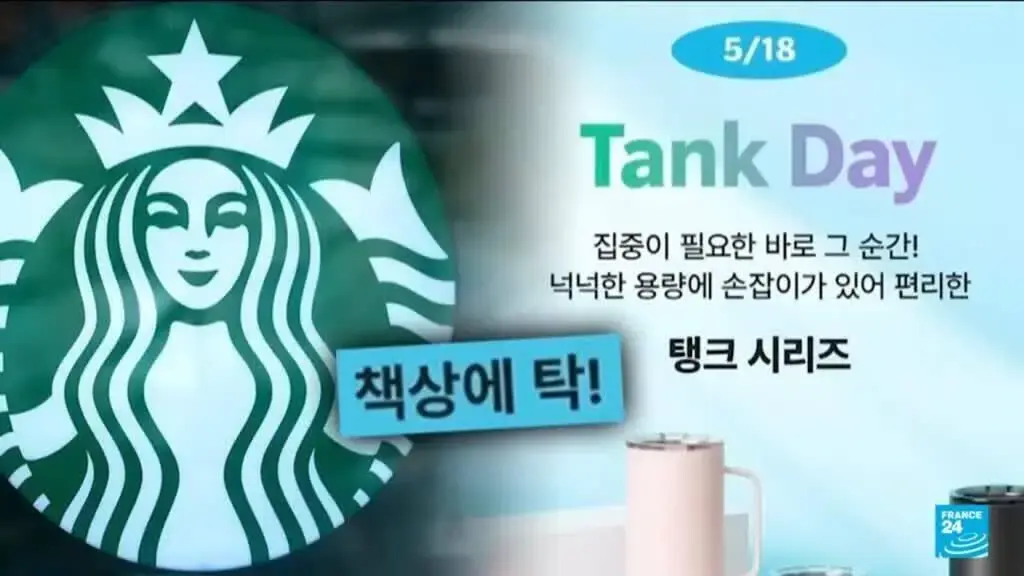
Starbucks is embroiled in a scandal in South Korea after launching a campaign that echoed the 1987 Gwangju massacre, a traumatic event in the country's history. The coffee giant's latest marketing effort has sparked widespread outrage among Koreans.
Latest news
 Swedish Voters Choose New Parliament as Left-Wing Coalition Projects to Win Majority
 Trump Announces End of US Tariff on Irish Whisky
 Frances Stonor Saunders, Author of CIA Cultural Espionage Exposé, Dies at 66
 Israel and Lebanon to Hold Security Talks in Rome This October
The controversy began when Starbucks unveiled a new campaign that inadvertently referenced the 1987 Gwangju massacre, in which hundreds of civilians were killed by government forces. The campaign's imagery and messaging were deemed insensitive by many Koreans, who felt it trivialized the tragic event.
The Gwangju massacre is a highly sensitive topic in South Korea, and many Koreans felt that Starbucks had shown a lack of understanding and respect for the country's history. The company's campaign was intended to promote a new product, but it ultimately backfired, sparking a backlash on social media.
Can Starbucks Recover from the Backlash?
Many South Koreans took to social media to express their outrage, calling for a boycott of Starbucks. The company's reputation in the country has been damaged, with some customers vowing to take their business elsewhere.
The backlash against Starbucks has been swift and severe, with many Koreans demanding an apology and a retraction of the campaign. The company has apologized for any offense caused, but it remains to be seen whether it can recover from the damage.
The consequences of the backlash will likely be significant for Starbucks in South Korea. The company's sales may suffer, and its reputation may take a long time to recover. The incident highlights the importance of cultural sensitivity in marketing.
Frequently Asked Questions
What was the Gwangju massacre? The Gwangju massacre was a brutal suppression of a civilian uprising in 1987, resulting in hundreds of deaths.
Why was Starbucks' campaign so controversial? The campaign's imagery and messaging were deemed insensitive and trivialized the Gwangju massacre.
What is Starbucks doing to address the backlash? Starbucks has apologized for any offense caused and is working to repair its reputation in South Korea.